
Dunia Kemal Beg Baban
Water Security Researcher
Iraq’s Water Crisis: The Silent Killer
Water Crisis and Environmental Consequences
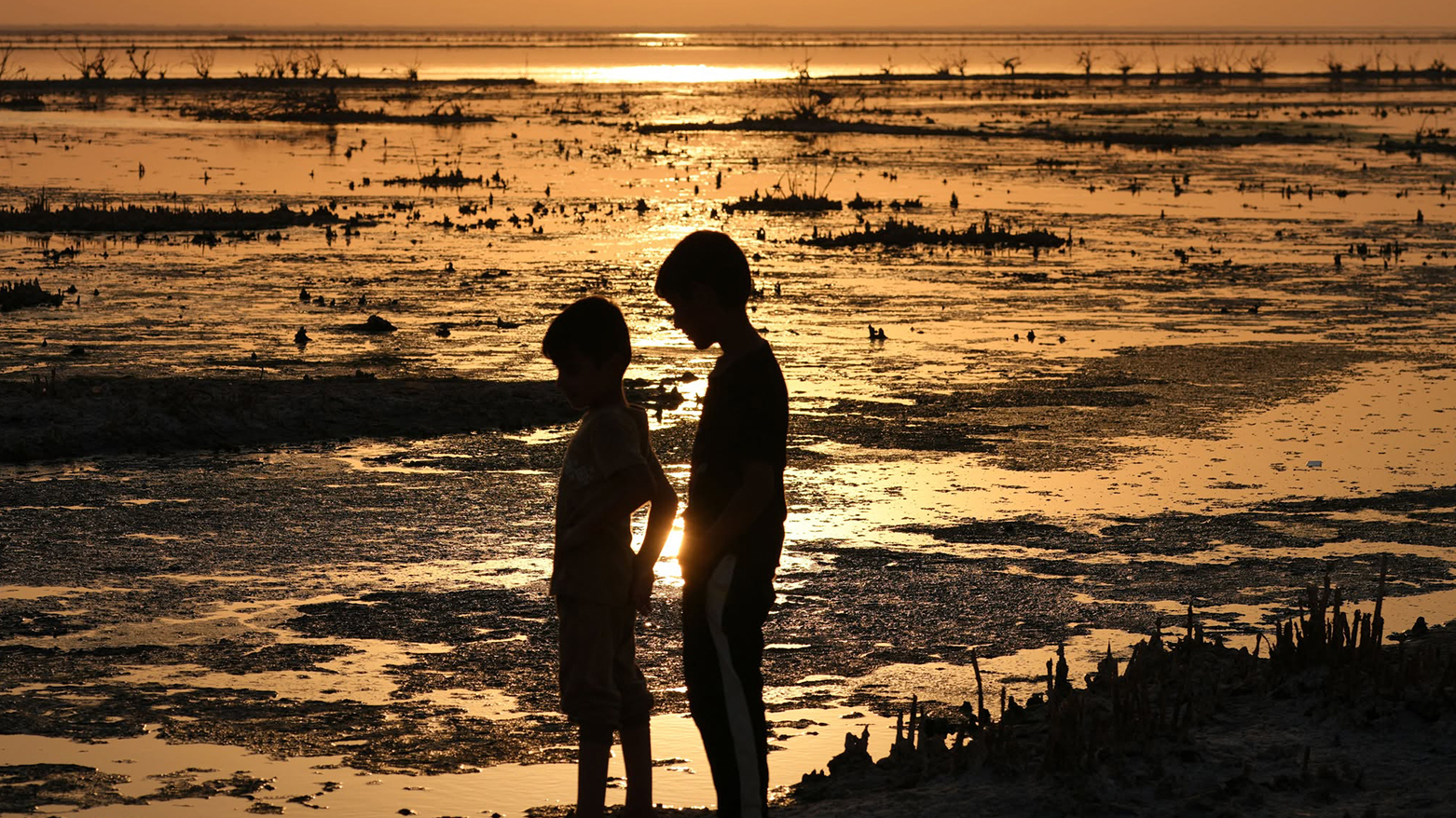
The 2018 UN GEO-6 report classified Iraq 5th most climate vulnerable globally a status affirmed by UNEP, FAO, and the World Bank, while UNICEF's 2021 Iraq rep warned of alarming water scarcity stunting children's development, urging climate action for safe water access. Recent climate analyses show Iraq warming seven times faster than the global average since the 1970s, with IPCC AR6 projections forecasting a 2-4°C rise by 2050 and up to 7°C by century's end under high-emission scenarios, threatening social and economic stability. Southern summer heatwaves already exceed 50-54°C, while the 2020-2021 rainfall season, the second-driest in 40 years, slashed Tigris and Euphrates flows by 29% and 73%, respectively, leaving water reserves at their lowest in 80 years (down from 18 to 10 billion cubic meters).
Iraq faces a severe water crisis from declining Tigris-Euphrates flows (down 30–40% since 1980s per FAO 2023), threatening agriculture, drinking water, and ecosystems; desertification encroaches on 92% of territory with barren lands, dust storms, and cracked earth, projected 2040 Water Stress Index of 4.6/5 signals near-total freshwater scarcity for domestic, agricultural, and industrial needs. Equally, Iraq's Water Resources Minister warns of the nation's most severe drought in history one of the worst water years in over 90 years. Iraq is fronting an environmental crisis characterized by common desertification and the collapse of its agricultural sector. Currently, 39% of the land suffers from severe desertification, and an additional 54% is at risk of moderate degradation. This decline has directly impacted agriculture, with wheat and barley production plummeting by 30-40% during recent drought years. Similarly, increasing from about 120 days annually in the early 2000s to over 270 days now. These storms severely disrupt life and pose significant public health risks, leading to spikes in asthma, COPD, and increased hospitalization rates. Also, Iraq's water crisis, driven by climate change and geopolitics, Lastly, Iraq Parliament Agriculture Committee, 2025, indicates that massive rural water shortages drive farmers and villagers to overcrowded cities, straining infrastructure and fueling social tensions Accordingly, environmental changes in Iraq trigger severe socio-economic and security issues. IOM estimates over 20,000 annual displacements from drought and water scarcity. Industrial and municipal pollution further degrades rivers, heightening public health risks.
Government Failures and Policy Recommendations
The Iraqi government’s pursuit of short-term water talks with Türkiye has historically met criticism due to the repeated failure to implement long-term solutions, such as the proposed 2019 " Türkiye-Iraq Action Plan," largely because of chronic conflicts, lack of regional synchronization, and unresolved disputes. In April 2024, Iraq and Türkiye signed a 10-year Strategic Framework Agreement and finalized a Financing Mechanism in November 2025. This "oil-for-water" arrangement uses Iraq's oil revenues to fund Turkish companies for major water infrastructure projects. However, critics remain skeptical, worrying the deal prioritizes Turkish investment over transparent quotas and guaranteed water flow increases to Iraq. Similarly, Iran has severely exacerbated Iraq's water crisis by rapidly building dams along the border (rising from 316 in 2012 to 647 by 2018) for domestic needs, ignoring international standards due to a lack of bilateral agreements. This critical situation is compounded because Iran now faces its own acute water crisis from five years of drought and poor management, which forces it to retain water, further reducing the already diminished downstream flow to Iraq.
Iraq's water crisis is a critical threat to governance and national security, not merely scarcity. The decline of the Tigris and Euphrates rivers is eroding ecosystems and creating deep national vulnerabilities. Iraq requires urgent reforms, domestically, Iraq must establish a national water diplomacy body, prioritize transparent infrastructure rehabilitation to limit corruption, and modernize irrigation systems for efficiency. Hence, Regionally, Iraq should leverage its 2023 accession to the UNECE Water Convention by engaging international mediators (like the UN) to negotiate binding water agreements with Turkey and Iran.
The cost of inaction will be measured in lost water, eroded public trust, and weakened national stability. Addressing this crisis demands binding water agreements with neighbors, stronger institutional coordination, and infrastructure investment to ensure that governance, not geography, determines Iraq’s water future or generally its future.
Dunia Kemal Beg Baban is a water security researcher and writer with a multidisciplinary background spanning geography, aviation, and finance. Born in Baghdad and raised in Sweden, she holds a degree in geography with a focus on societal and physical systems and geology from Stockholm University and is currently pursuing a master’s degree in water resources. Her work centers on water security and sustainability, with an emphasis on practical, locally grounded approaches to safeguarding water systems.
The views expressed in this article are those of the author and do not necessarily reflect the views of Kurdistan24.