
Kawa Omar
Writer
Civilians Under Iranian Threat: IHL Obligations and Legal Responsibility in the Kurdistan Region of Iraq!
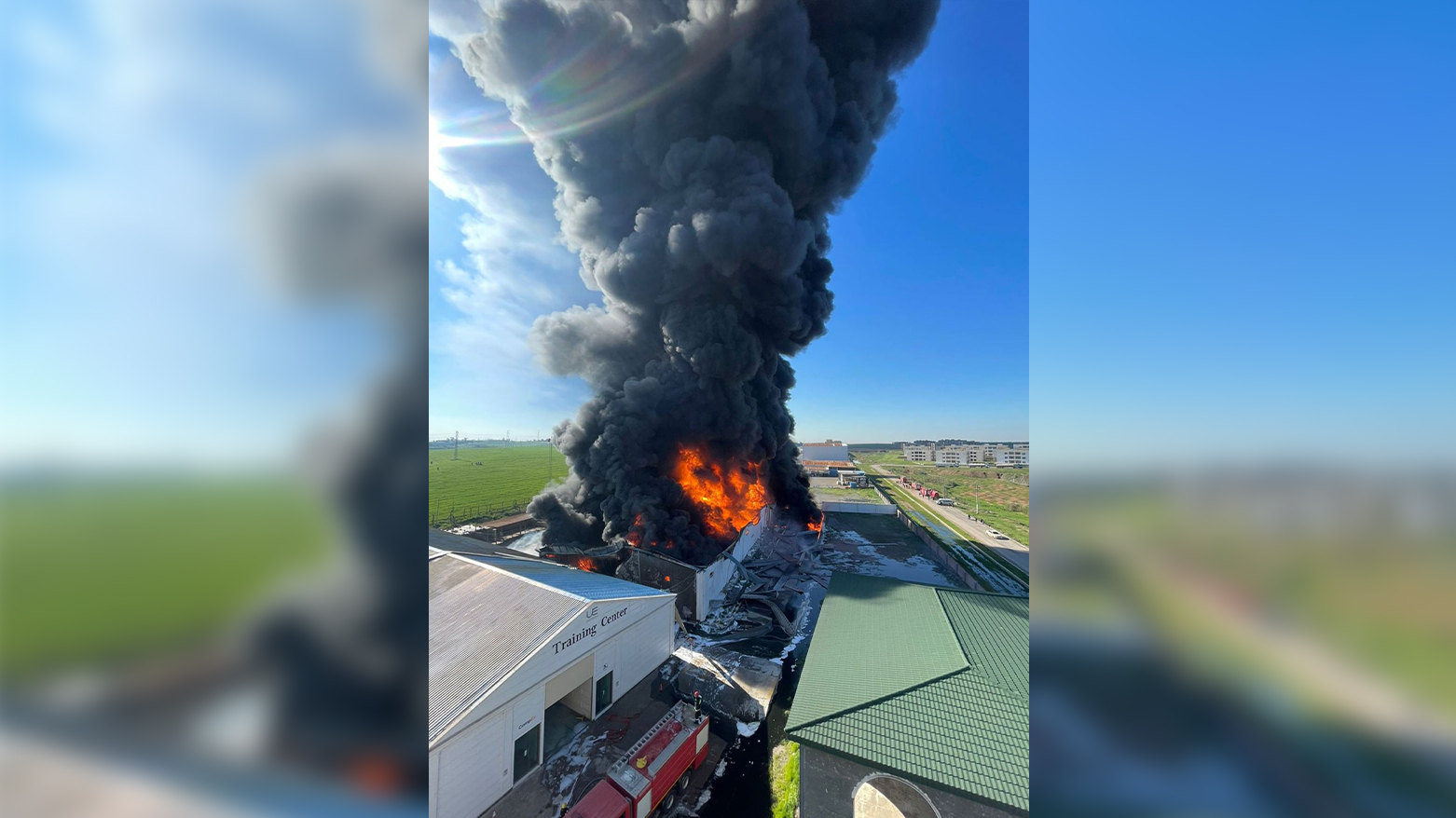
Recent developments in the Middle East the conflict raised between the Unted States of America alongside Israel and Islamic Republic of Iran have led to a significant deterioration in regional security. Following the escalation involving Iranian proxies in the region such as Popular Mobilization Forces in Iraq (PMF), Hezbollah in Lebanon and Houthi (Ansar Allah ) In Yemen, the Kurdistan Region Government (KRG) has increasingly been affected and targeted as reprisals by PMF and Iranian armed forces against civilians and civilians objects which is prohibited under IHL by drones and missiles strikes, despite its position within federal Iraq Government and its relative distance from direct hostilities. The civilian airport, civilian population, Peshmerga forces and the Private Residence of Iraqi Kurdistan Region President Barzani has been part of those attacks.
Reports indicate that since late February 2026, hundreds of drones and missiles have struck areas within the KRG, impacting infrastructure and, in some cases, civilian areas According to monitoring by local media outlets, these incidents have resulted in civilian casualties and damage to essential civilian facilities.
These developments raise important legal and humanitarian questions, particularly regarding the protection of civilians and the responsibilities of states and affiliated forces under international humanitarian law (IHL), and international human rights law (IHRL).
Understanding the Legal Framework
Under (IHL), which applies in situations of armed conflict regardless of the legal framework on international Armed Conflict (IAC) or Non-international Armed Conflict (NIAC), all parties to the conflict are required to distinguish between civilians combatants and civilian not taking direct participation in hostility, as well as between civilian objects and military objectives. Attacks that fail to make this distinction, or that cause disproportionate harm to civilians, or using indiscriminate weapons may be considered an unlawful attack and may amount a war crime.
As a matter of fact international jurisprudence establishes that for instance in the “International Tribunal for the Former Yugoslavia (ICTY)” , in Dusko Tadić case in para 70, has clarified that an armed conflict exists whenever there is a resort to armed force or sustained violence involving organized armed actors, and that legal obligations continue until a peaceful resolution is reached. In such contexts, the protection of civilians remains a central legal obligation of the parties to the conflict.
Customary IHL, further prohibits indiscriminate attacks those that are not directed at a specific military objective or that employ means and methods of warfare that cannot distinguish between civilian and military targets. Furthermore, Iraq is signature and party to additional protocol I and Fourth Geneva Convention.
Civilian Impact and Protection Concerns
The pattern and scale of recent strikes raise concerns about the potential humanitarian impact on civilian populations. The open sources providing information about the damage to civilian infrastructure, including energy facilities, Erbil international airport and other essential civilian services, can have long-term consequences for civilian life included to have serios impact to the most vulnerable population such as children and women, extending beyond immediate casualties.
Historically, international law has consistently emphasized the prohibition of attacks intended to spread fear and terror among civilians population. While the legal classification of specific incidents requires careful assessment, the protection of civilian populations remains a fundamental principle across all armed conflicts.
State Responsibility and Affiliated Forces
A key issue in situations involving multiple actors is the question of responsibility. Under international law, the conduct of state organs or entities acting under state authority may be attributed to the state responsibility for wrongful act.
In Iraq, the PMF have been formally incorporated into the Iraqi state arm forces framework. As such, their actions may, in certain circumstances, be considered acts of the state, particularly when they operate under official command structures.
At the same time, the operational complexity of the PMF, comprising various units with differing degrees of coordination means that questions of control and attribution may vary depending on the specific circumstances of each incident.
The Role of State Authority
States have an obligation not only to refrain from unlawful conduct but also to take reasonable measures to prevent violations of international law within their jurisdiction. This includes ensuring that all affiliated forces operate in compliance with international legal standards.
The concept often described as “unwilling or unable” is sometimes used in international discussions to assess whether a state is effectively addressing harmful conduct originating from within its territory or under its authority. While its application varies depending on context, the underlying principle remains clear: states are expected to exercise due diligence in preventing harm to civilian population and ensuring accountability.
In this regard, the role of the Federal authorities, including leadership at the highest levels, is particularly important in maintaining oversight, coordination, and compliance with international obligations.
Accountability and Transparency
In today’s interconnected hostile environment, incidents of armed attack are often widely reported through media and open sources. International legal practice in the International Criminal Court (ICC) has recognized that publicly available information can be relevant in assessing awareness of ongoing events and can constituted threshold of command knowledge of alleged violations.
Ensuring accountability does not necessarily require immediate legal conclusions, but it does depend on transparency, documentation, and a willingness to investigate allegations of wrongdoing act. These processes are essential not only for justice but also for maintaining peace and public trust can preventing further escalation and fragmentation of the Iraq as state and nation.
Conclusion
The situation affecting the KRG Population highlights the complex interplay between security, sovereignty, and legal responsibility in times of conflict. While the broader regional context continues to evolve, the protection of civilians remains a constant and non-negotiable obligation under national and international law as part of Jus Cogen norms and due diligence of the Iraq as a State obligation without discrimination of ethnic or religious, political and territorial administration.
Addressing these challenges requires careful assessment, responsible of effectiveness governance, and a commitment to upholding legal standards and holding the preparators of IHL violation accountability . In doing so, states and institutions can contribute to reducing harm, strengthening accountability, and promoting stability in an increasingly uncertain environment. Failure doing so by the Iraqi Federal Government to effectively address these concerns may raise broader questions regarding the responsibility of the state under international law. The international community needs to monitor and investigate in supporting civilian protection the responsibility bearer in the international community under principle of R2P as such and United Nation Security Council to bring protection to KRG and the Kurdistan population from ongoing atrocity committed by PMF in Kurdistan Region of Iraq.
The views expressed in this article are those of the author and do not necessarily reflect the views of Kurdistan24.