Awat Mustafa
Editor
Masrour Barzani: From Inherited Legacy to a Path Forward Policy
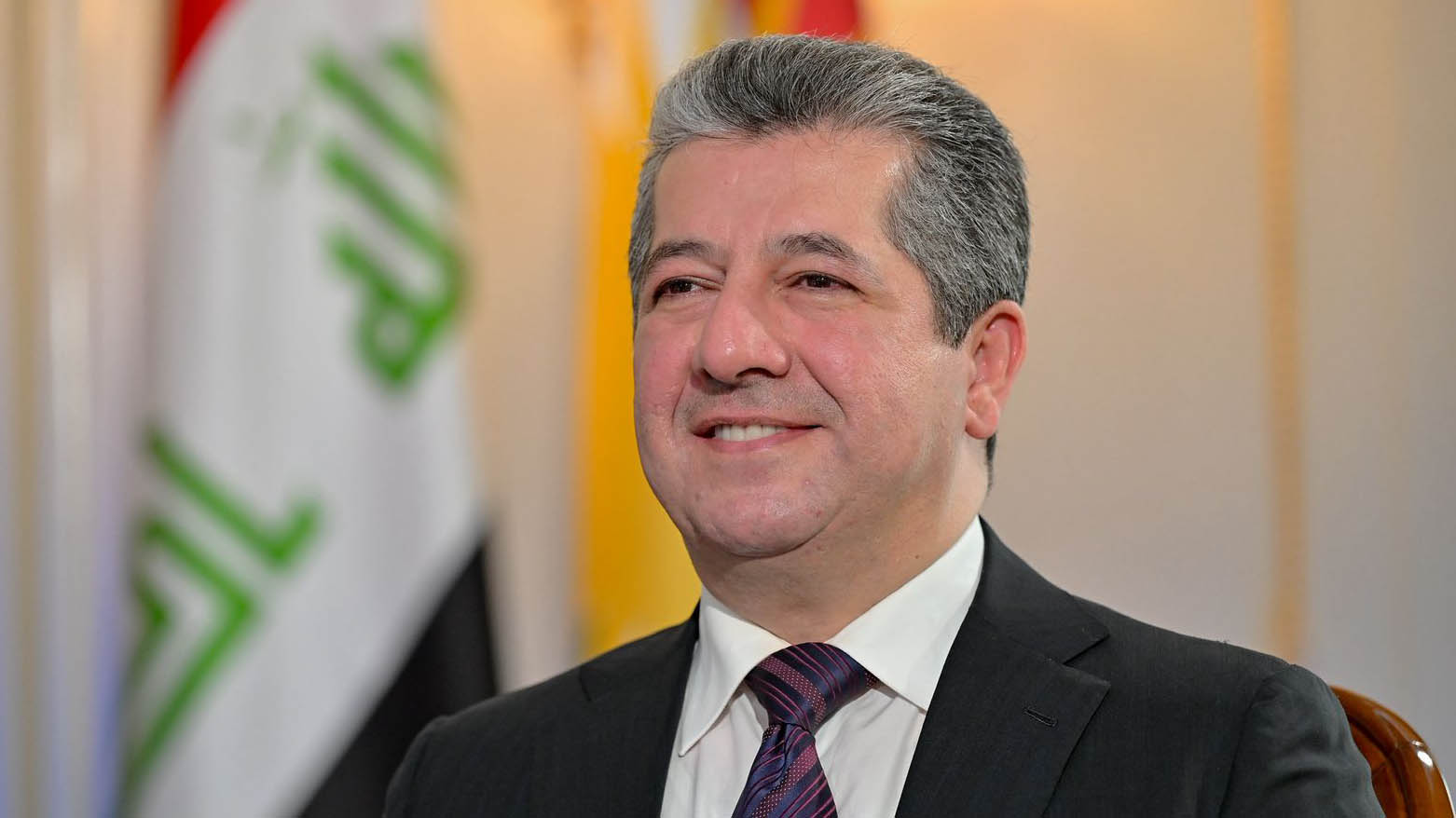
The current political deadlock between the Kurdistan Democratic Party (KDP) and the Patriotic Union of Kurdistan (PUK) over forming a new cabinet has not only damaged the image of the Kurdistan Region as a democratic region of Iraq but has also put its future and its long struggle for self-governance in jeopardy.
To understand the reasons behind the rift between the two parties, it is important to consider the region’s history and previous power-sharing arrangements. The ongoing differences between the two ruling parties are not caused solely by the current government or its leadership. But somewhat, rooted in past arrangements and a dysfunctional system that emerged after the region’s civil war. Previous cabinets were often not in a position, or did not have the capacity, to move beyond managing a post-conflict environment and build a system capable of withstanding internal political pressure, external intervention, and economic downturn . However, the vision for how Kurdistan should be governed began to change during the ninth cabinet under Masrour Barzani’s leadership. This shift has positively affected many people’s livelihoods, but it may also have harmed a margin class who benefited from creating uncertainty and division. This uncertainty continues to obstruct reform and good governance, hindering efforts to move the region beyond past experiences and toward a future that everyone can share.
Before becoming prime minister of the Kurdistan regional government (KRG), Masrour Barzani focused on national security. As chancellor of the Kurdistan region security council (KRSC), he coordinated intelligence and military frameworks that were crucial to the regional and international coalition’s fight against ISIS in Iraq and Syria. His background in security and intelligence established his reputation as a security-focused leader. Under his leadership, the military forces developed stronger intelligence capabilities to defend the region and defeat ISIS.
In 2019, he became prime minister of the KRG’s ninth cabinet. He integrated his security expertise into a broader governing vision, linking the region’s security with its economic security and infrastructure. Soon after he took office, however, the region faced a range of challenges, many of which were beyond his control. Nevertheless, his focus remained on economic development and state-building, with the aim of moving the region from shaky ground to a solid foundation.
Barzani’s premiership coincided with a prolonged financial and political crisis with the central government in Baghdad. The region faced severe budget cuts from the federal government in Baghdad, the loss of independent oil-export capabilities, and the economic fallout from the COVID-19 pandemic. In response, Barzani shifted the government’s operational approach away from traditional patron-client networks and towards bureaucratic institutionalism.
Despite the challenges facing his cabinet, Prime Minister Masrour Barzani was determined to advance government reform and establish strategic initiatives to improve governance accountability and transparency. His government introduced the KRG’s digital transformation strategy, moving bureaucratic processes to unified online portals to reduce administrative barriers and combat corruption.
The region’s financial sector was also modernised, for the first time, public-sector salaries were moved from cash-based payments to electronic transfers. This change has supported the economy and reduced cash-based transactions, with the aim of attracting international investors and combating money laundering and systemic corruption.
More importantly, Barzani’s vision included expanding the economy by increasing public revenues, diversifying industries, and reducing dependence on the oil sector. This included developing non-oil sectors and launching the KRG’s first major domestic agricultural export initiatives. And building a tourism-based economy has also been a priority, with the aim of attracting 20 million visitors by 2035.
Prime Minister Barzani recognised early on that economic, commercial and tourism activities would be limited without good roads and strong connections between cities and towns. Since he became prime minister, thousands of kilometres of dual carriageways and highways have been completed, and work to finish the remaining roads is ongoing. These roads and improvements have also directly benefited residents.
Another important environmental project underway in the region’s capital is the Erbil Green Belt, presented as a project “from the people, for the people.” It is intended to help mitigate the effects of climate change and combat desertification.
For many years, Erbil, Duhok, and Sulaimani faced clean-water shortages during the hot summer months. Now, many cities including Erbil, the region’s fastest growing city have overcome water shortages. Despite the cities’ considerable growth, access to clean water is no longer a major issue for residents.
His institutional strategy over the past seven years has focused on building structural self-reliance and a stronger society capable of withstanding the current and future challenges facing not only the Kurdistan region but the wider region. However, despite his efforts, some critics have persistently sought to derail the long-term reforms and pressure him to slow the progress. Barzani has used these fiscal pressures to justify civil-service modernisation and infrastructure projects, such as the Runaki (Bright) Project to provide 24/7 electricity, the construction of dams to preserve and increase underground water and other initiatives mentioned above. These projects aim to serve residents equitably and lay the foundation for future generations.
The core of Barzani’s contemporary governance strategy is his “Path Forward” policy, which is designed to transition the Kurdistan Region from an emergency-driven economy to a sustainable, modern sub-state entity. Outlined in strategic plans such as Kurdistan 2028, the policy emphasises climate adaptation, infrastructure development, tourism, and local resource management.
The vision Barzani has outlined for the region is not politically driven agenda or intended to boost his popularity; rather, it is designed to serve the people and restore the reputation the Kurdistan Region deserves.
Barzani’s vision of a strong Kurdistan within Iraq is based on consensus and balanced relations with Baghdad. He advocates an approach grounded in constitutional rights, stating that “a strong Iraq requires a strong Kurdistan.” Under Iraq’s current prime minister, Ali Zaidi, Barzani has pursued constitutional solutions to disputes over the budget, customs, and security rather than seeking immediate secession.
The prime minister’s approach to reaching a constructive agreement with the PUK leadership is also based on the political realities of the Kurdistan region, where governance should reflect the will of the majority of the people, rather than on fantasies that rules can be bent, broken, or rewritten. The KDP emerged as the largest party in the 2024 parliamentary election and has offered the PUK a compromise deal, but a new cabinet has yet to be formed.
Barzani’s geopolitical expertise is beyond doubt. During the conflict involving Iran, the United States, and Israel, he played an important role in de-escalation and in keeping the region out of the conflict. His diplomatic and security skills contributed to the safety and security of the region and beyond. Without his leadership, the situation could have turned out differently.
For several years, Barzani has also sought to expand relations with international partners beyond defence cooperation, including in trade, education, and energy. At the same time, his policy has been to coordinate with regional neighbours, including Iran and Turkey, to develop trade infrastructure that serves both the Kurdistan Region and the rest of Iraq.
The policies governing the region over the past seven years have been guided by a vision rooted in social equality and aligned with the Sustainable Development Goals (SDGs) and other universal objectives. Further progress requires a strong, selfless, and steadfast leader who delivers not for a few, but for all. Barzani is a kind leader who honoured his commitment, said less but delivered more than expected. His leadership serves the people rather than himself, and his continued leadership is needed to meet the needs of the people.
The views expressed in this article are those of the author and do not necessarily reflect the views of Kurdistan24.