The PUK's Strategic Miscalculation: Washington Will Not Back a Minority with a Majority Mentality
Lessons for the Kurdistan Region from Iraq’s Sunni Arabs in the Post-2003 Era
One of the most dangerous mistakes in politics is confusing outside support with a mandate at home. A party may have powerful allies, substantial resources, and an important history. None of those advantages changes the number of seats it wins in an election.
The Patriotic Union of Kurdistan (PUK) leadership risks making precisely this mistake: behaving as an electoral minority with the mentality of a majority. Iraq’s experience after 2003 offers a warning about where that miscalculation can lead.
Following Saddam Hussein’s overthrow, Iraq’s transition from dictatorship toward an electoral political system fundamentally changed how power was distributed. Demography acquired an importance it had never possessed under authoritarian rule. Iraq’s Shia majority translated its numerical strength into majority parliamentary representation, while Sunni Arab leaders had to adjust to a political order in which they could no longer expect their former predominance.
Regrettably, some influential Sunni Arab leaders struggled to accept this transformation. It was a failure to distinguish between the power they had previously exercised and the electoral strength they could command. Their broader regional identity reinforced that miscalculation. Although Sunni Arabs were a minority within Iraq, they belonged to the much larger Sunni Arab environment surrounding it and to the majority within the Muslim world. Some leaders appeared to confuse belonging to that wider majority with possessing a majority inside Iraq.
The January 2005 election Sunni boycott exposed the consequences. Major Sunni organizations withdrew from the process, weakening their community’s representation at a formative moment. Brookings subsequently characterized the boycott as one of the great strategic blunders of the post-Saddam period.
Being a demographic minority did not have to mean becoming a secondary political force. Coalition building, effective participation, and a national program could have provided influence beyond numerical strength. The late President Jalal Talabani mastered the art of politics by securing the Iraqi presidency for the PUK while preserving the unity and integrity of the Kurdistan Region and maintaining a constructive relationship with the Kurdistan Democratic Party (KDP). The current PUK leadership would do well to learn from his political wisdom, strategic foresight, and ability to balance partisan interests with the greater national interests of Kurdistan.
The PUK now faces a political dilemma strikingly similar to that confronted by Iraq’s Sunni Arabs in the aftermath of 2003.
In Kurdistan’s October 2024 elections, the KDP won 39 seats in the 100-member parliament, while the PUK won 23. The KDP therefore emerged as the largest party, positioned to lead government formation, although it still needed coalition support to secure a parliamentary majority.
The PUK’s claims of exclusion must also be measured against its substantial role in the existing government. Qubad Talabani holds the deputy premiership, while the party holds five ministerial portfolios: Peshmerga Affairs, Planning, Higher Education and Scientific Research, Agriculture and Water Resources, and Culture and Youth. Before announcing its withdrawal, the PUK was therefore exercising significant executive authority. Its leadership cannot reasonably portray itself as excluded simply because its electoral strength does not entitle it to dictate government formation.
The analogy with post-2003 Sunni leadership lies in the temptation to import political weight from outside the electorate. Where some Sunni leaders looked toward the wider Sunni Arab world, the PUK risks looking toward its allies in Baghdad, including Iran-aligned militia-linked actors, as a substitute for greater electoral support within Kurdistan.
Such relationships may strengthen a negotiating position. They cannot turn 23 parliamentary seats into a majority.
The November 4 session proceeded with 52 lawmakers present despite a boycott by the PUK and other parties. Representatives of the PUK and New Generation subsequently sought urgent court orders suspending its decisions. On November 15, the Federal Supreme Court rightfully rejected those requests.
The PUK have every right to pursue legal remedies. But political disagreement must ultimately be resolved under the roof of the parliament, rather than an expectation that institutions should remain frozen until every demand is satisfied.
Ambassador Tom Barrack’s blunt admonition to Kurdish leaders to “Get over it” reflected Washington’s growing impatience with their political divisions. Although his message was directed at the Kurdish leadership broadly, the PUK should recognize its deeper implications: Washington is unlikely to accommodate a political minority that continues to operate with a majority mentality, just as Iraq’s Sunni Arabs discovered after 2003.
Threats to divide the Kurdistan Region would only compound this strategic miscalculation. Such a move would undermine Kurdistan’s collective bargaining power, destabilize its governance, weaken its political institutions, and invite greater external interference. Ultimately, it would be the Kurdish people who would pay the heaviest price for this division.
President Masoud Barzani’s invitation to dialogue offers a way forward. The PUK should accept it sincerely and negotiate a government that reflects electoral results while protecting meaningful participation and the rights of all citizens.
The PUK still has the opportunity to choose a better course. It should return to the table in good faith, accept the limits of its electoral mandate, and help build a government for a united Kurdistan.
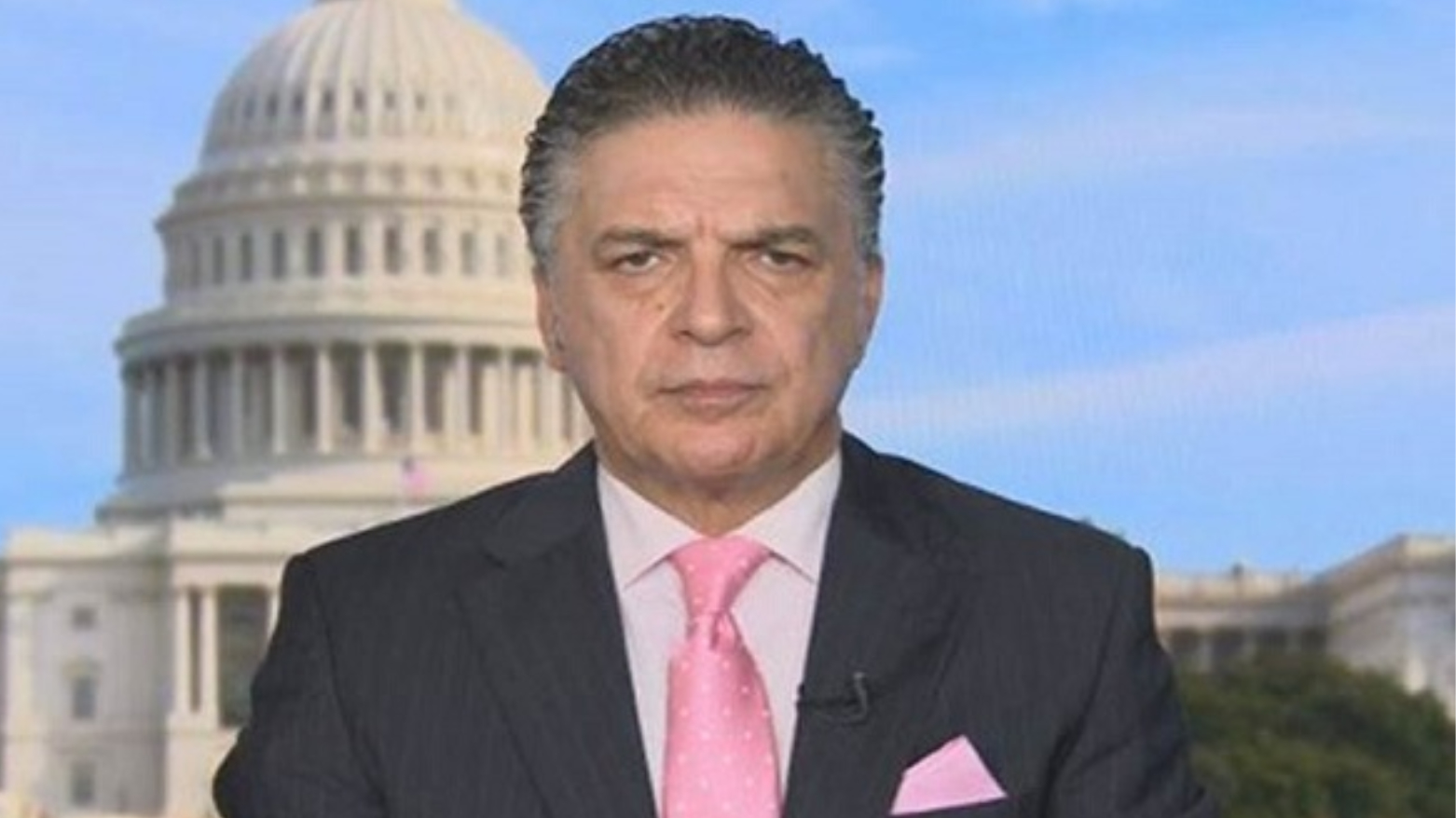
Entifadh Qanbar is a Washington, D.C.–based Middle East policy adviser, former spokesperson for Iraq’s Deputy Prime Minister, and doctoral candidate in Statecraft and National Security at the Institute of World Politics.
The views expressed in this article are those of the author and do not necessarily reflect the views of Kurdistan24.