Khamenei Denounces U.S.-Israeli Strikes, Honors Iranian 'Martyrs' in New Year Address
Iran's new Supreme Leader Ayatollah Mojtaba Khamenei’s Nowruz statement outlined national priorities, social engagement, and diplomatic positioning while observing mourning for recently deceased leaders and martyrs.
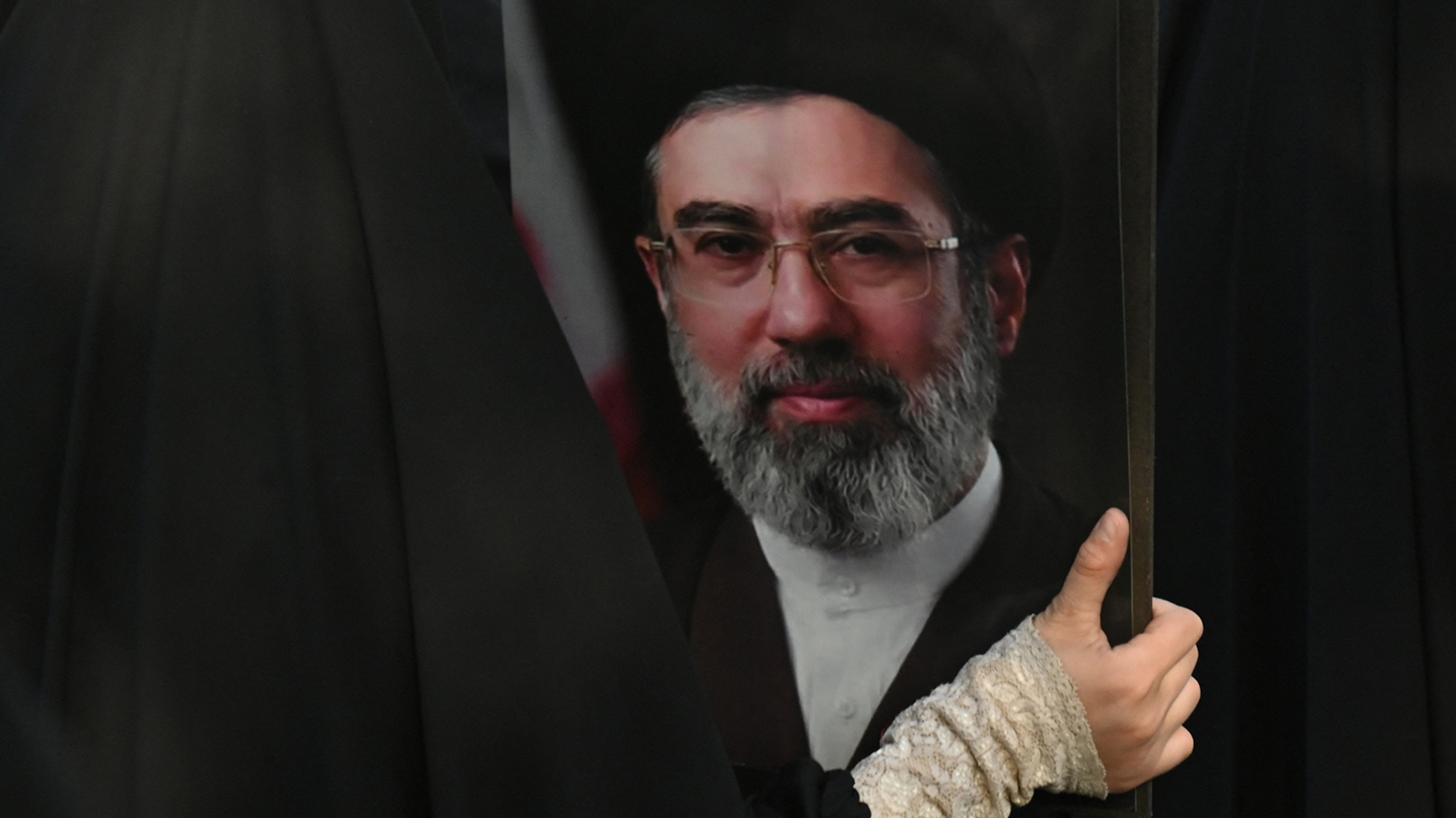
ERBIL (Kurdistan24) - Iran’s new Supreme Leader, Ayatollah Seyyed Mojtaba Hosseini Khamenei, son of the late Ayatollah Ali Khamenei, issued a Nowruz message on Friday, marking the beginning of the Solar year 1405 and coinciding with Eid al-Fitr.
In his statement, Khamenei addressed the Iranian population, extending greetings to all Muslims worldwide, acknowledging the nation’s recent military and security conflicts, and outlining priorities for the year ahead, including economic resilience, national unity, and regional diplomacy.
Khamenei began his address by noting the overlap of the spiritual observances of Ramadan with the Nowruz festival, emphasizing the significance of the concurrent celebrations.
“I congratulate every individual of the nation on these two religious and national holidays, and I specifically extend my greetings for Eid al-Fitr to all the Muslims of the world,” he said.
He also expressed condolences to families and survivors of the martyrs of multiple conflicts, including those of the “Second Imposed War,” the “January Coup,” the “Third Imposed War,” security and border personnel, and other fallen members of the armed forces.
In his review of the previous year, Khamenei outlined three major military and security conflicts experienced by Iran.
He described the first as occurring in June 2025, during which “the Zionist enemy, with specific assistance from America and in the midst of negotiations, martyred some of the country’s best commanders and prominent scientists through a treacherous aggression, followed by the martyrdom of approximately 1,000 of our compatriots.”
The second, labeled the “January Coup”, involved attacks by what he called as "mercenaries, resulting in additional casualties and widespread damage," which Khamenei attributed to American and Israeli involvement.
The third conflict, ongoing at the time of his message, began with the death of Ayatollah Ali Khamenei, whom he referred to as the “magnificent Leader,” alongside other military and civilian casualties, including students and members of the Iranian armed forces.
The Supreme Leader highlighted the public response to these crises, noting coordinated civil and religious engagement across Iran.
He described Iranian citizens’ participation in religious processions, public demonstrations, and defense efforts during Ramadan as establishing “a vast defensive line across the expanse of the country and fortified trenches as numerous as its squares, neighborhoods, and mosques.”
Khamenei credited these efforts with demonstrating national resilience and weakening the adversary’s influence, emphasizing the role of public cohesion in maintaining national stability.
Regarding Nowruz observances, Khamenei acknowledged that this year marked the first in which the public would celebrate without the presence of the deceased high-ranking leader and other prominent martyrs.
He encouraged the population to continue traditional New Year visits while showing respect for bereaved families. He proposed that neighborhoods could honor local martyrs during the holiday, in line with the government-designated mourning period, emphasizing this observance as part of the nation’s continuity and cohesion.
The message also addressed domestic social and economic activity.
Khamenei recognized individuals, public and private production units, and service sectors for their voluntary contributions and social initiatives.
He called for caution among domestic media to avoid amplifying vulnerabilities that could undermine national unity or security, stating that “we must be careful lest, through negligence and by our own hands, this sinister intent is realized.”
He announced the year’s official slogan as “Resistance Economy in the Shadow of National Unity and National Security,” linking economic resilience to national defense and advocating for policies aimed at public welfare, infrastructure development, and wealth creation.
On international relations, Khamenei highlighted the importance of strong ties with neighboring countries, particularly Afghanistan and Pakistan.
He encouraged cooperation between the two nations for regional stability and emphasized that attacks in Türkiye and Oman were not conducted by Iranian forces but were “a ruse carried out by the Zionist enemy using the ‘False Flag’ tactic to create division.”
Khamenei concluded his message with hopes for a year marked by spiritual and material gains, invoking religious references to support the continuity of blessings for the nation and the broader Muslim world.
He called for prayers for the Reappearance of the Mahdi, the central figure in Shiite eschatology, and expressed optimism for a year of victories and new opportunities for both Iran and allied nations, including elements of the broader Resistance Front.
The Supreme Leader’s message combined reflection on past national crises with guidance for social conduct, economic management, and regional diplomacy, emphasizing cohesion, resilience, and religious observance as central to Iran’s domestic and foreign posture.