Tehran Escalates Rhetoric as Adviser Says Iran Prepared for Extended War
Iran signals readiness for prolonged conflict, declaring the Hormuz Strait a red line, as tensions with the US escalate following failed negotiations and a naval blockade.
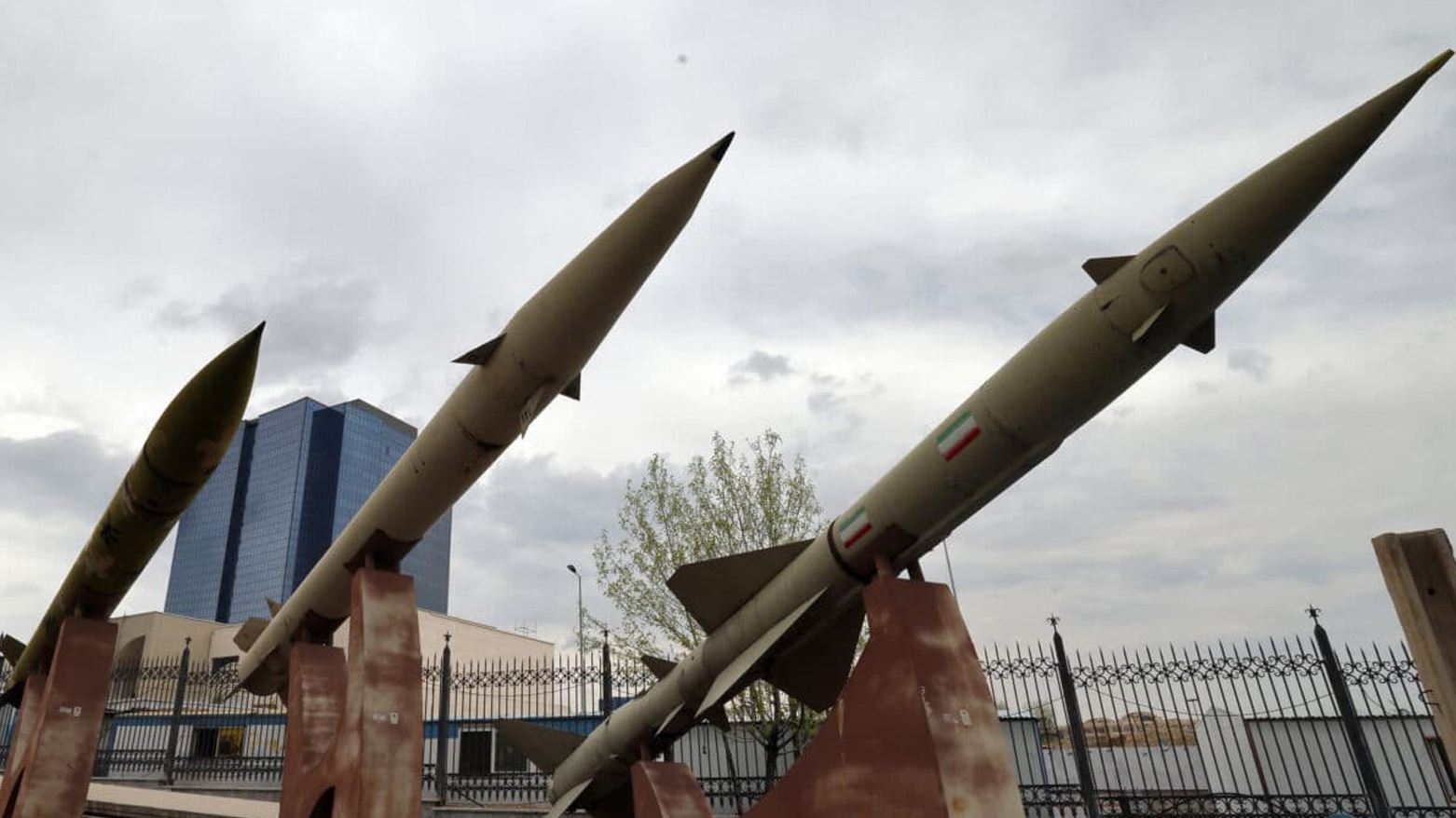
ERBIL (Kurdistan24) - A senior adviser to Iran’s Supreme Leader issued a stark warning on escalating regional tensions, declaring that Tehran is fully prepared for a prolonged war and will not retreat from its position on the strategic Hormuz Strait.
Mohsen Rezai, speaking in strongly worded remarks, said Iran stands ready to confront any scenario, emphasizing that, contrary to Tehran’s stance, the United States fears a sustained conflict.
Rezai stressed that Iran would under no circumstances abandon the Hormuz Strait, describing it as a non-negotiable priority until all of the country’s rights are secured.
“Until we obtain all of our rights, the Hormuz Strait will remain a red line,” he said.
He also posed a direct question to the United States, stating: “If Iran’s naval forces have been defeated, then why does America not dare to pass through the Hormuz Strait?”
Shift in negotiation strategy
Reflecting on previous rounds of negotiations, Rezai indicated that Iran will adopt a more precise and assertive approach in any future agreements, with a primary focus on economic issues.
“Unlike previous negotiations, where our opponents set the conditions, this time it is Iran that will define the preconditions,” he added.
Rezai’s remarks come as tensions between Tehran and Washington have reached a peak.
On April 12, 2026, US President Donald Trump imposed a naval blockade on all vessels heading to or returning from Iranian ports. The move followed the collapse of negotiations in Islamabad, which lasted 21 hours and ended without agreement due to disputes over the nuclear file and Iran’s demands to control the Hormuz Strait.
Since Feb. 28, 2026, the region has effectively been in a state of war. Iran has managed to partially close the Hormuz Strait to rival countries, a development that has disrupted global energy markets and pushed oil prices above $100 per barrel.