Livestock Markets Across Kurdistan Region and Iraq Come Alive Ahead of Eid al-Adha
In the sprawling animal squares of Erbil and the crowded pens of Mosul, a sea of white wool and the frantic rhythm of haggling define a region caught between religious devotion and a sobering economic reality.
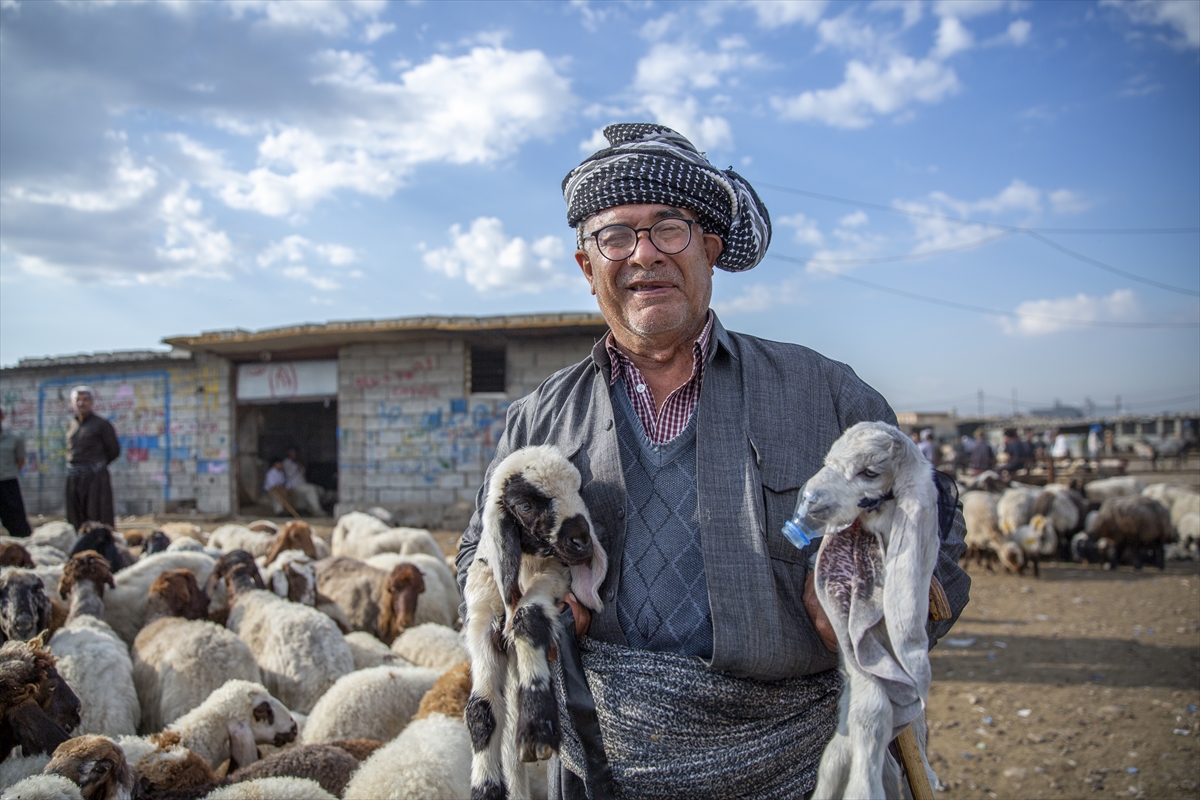
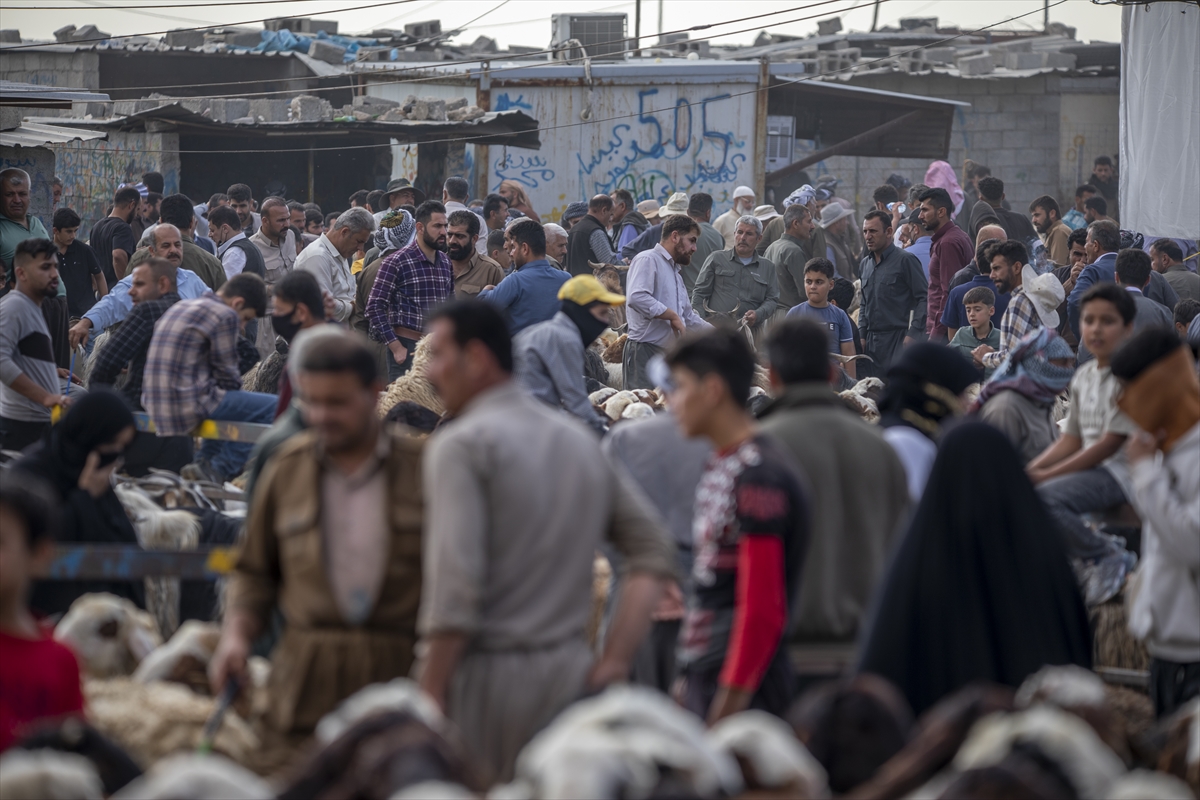
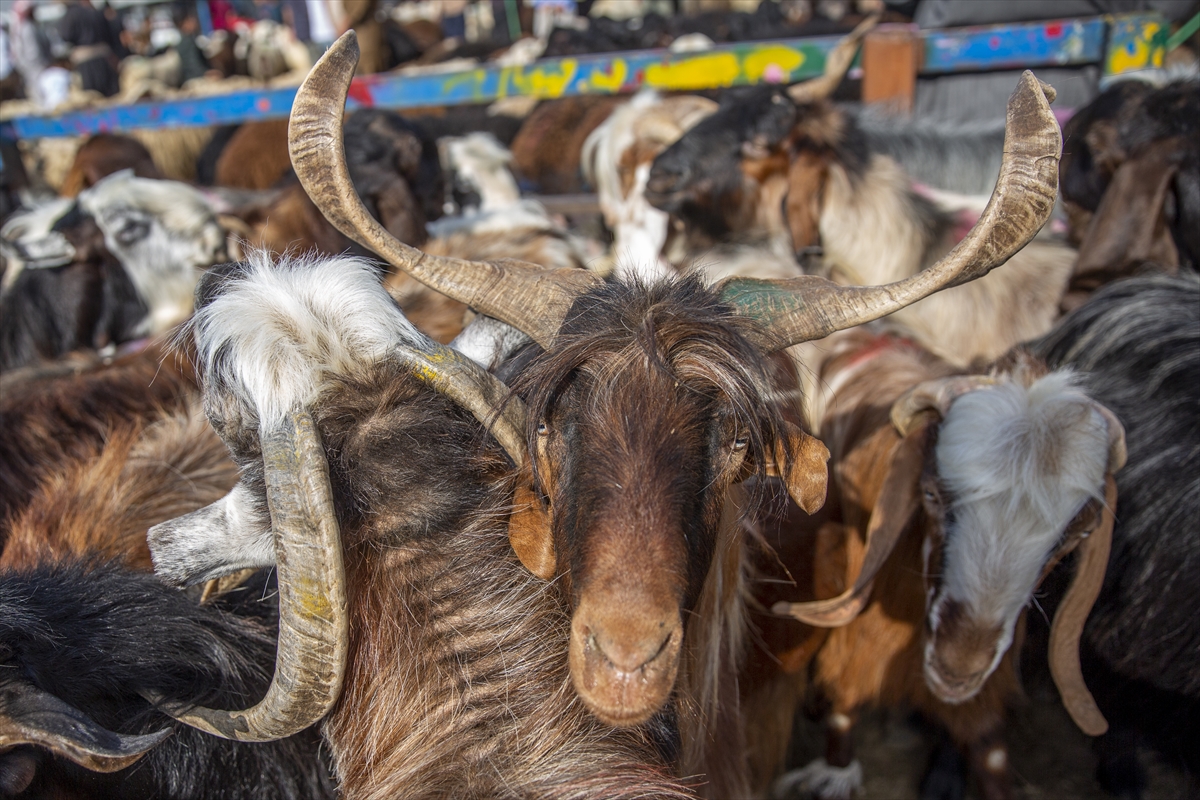
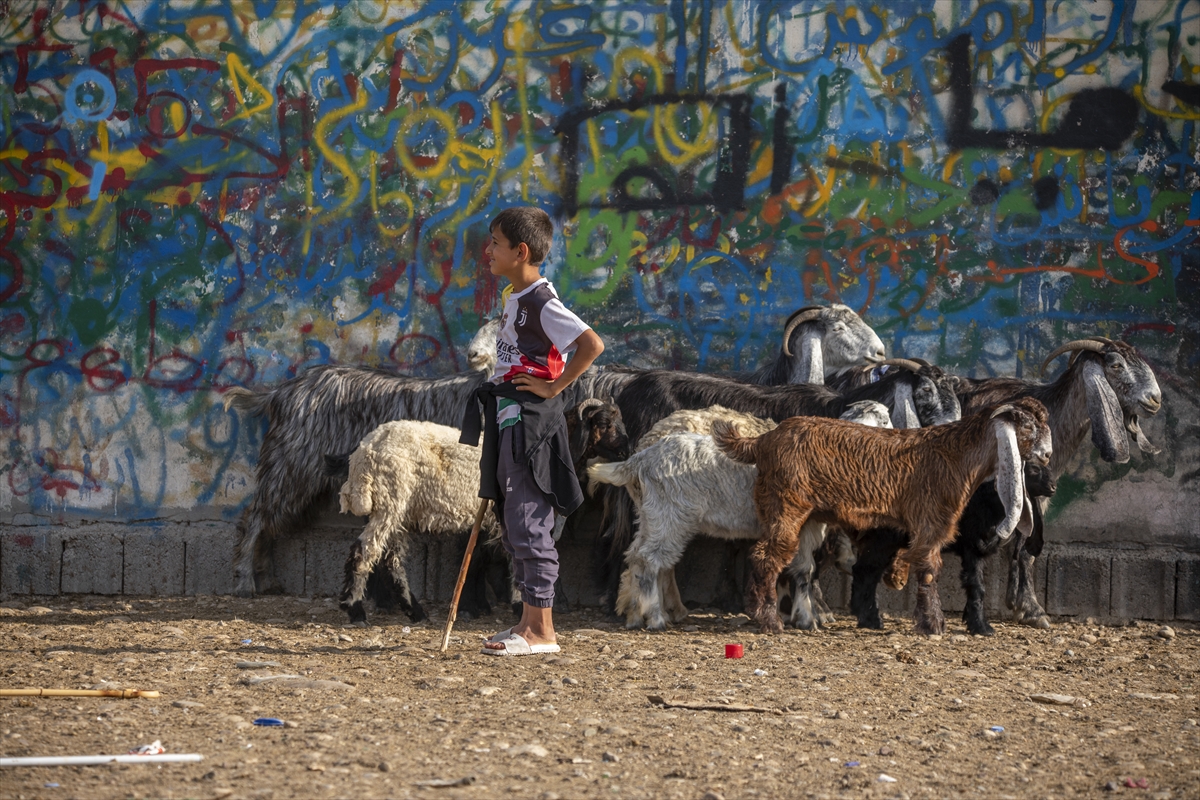
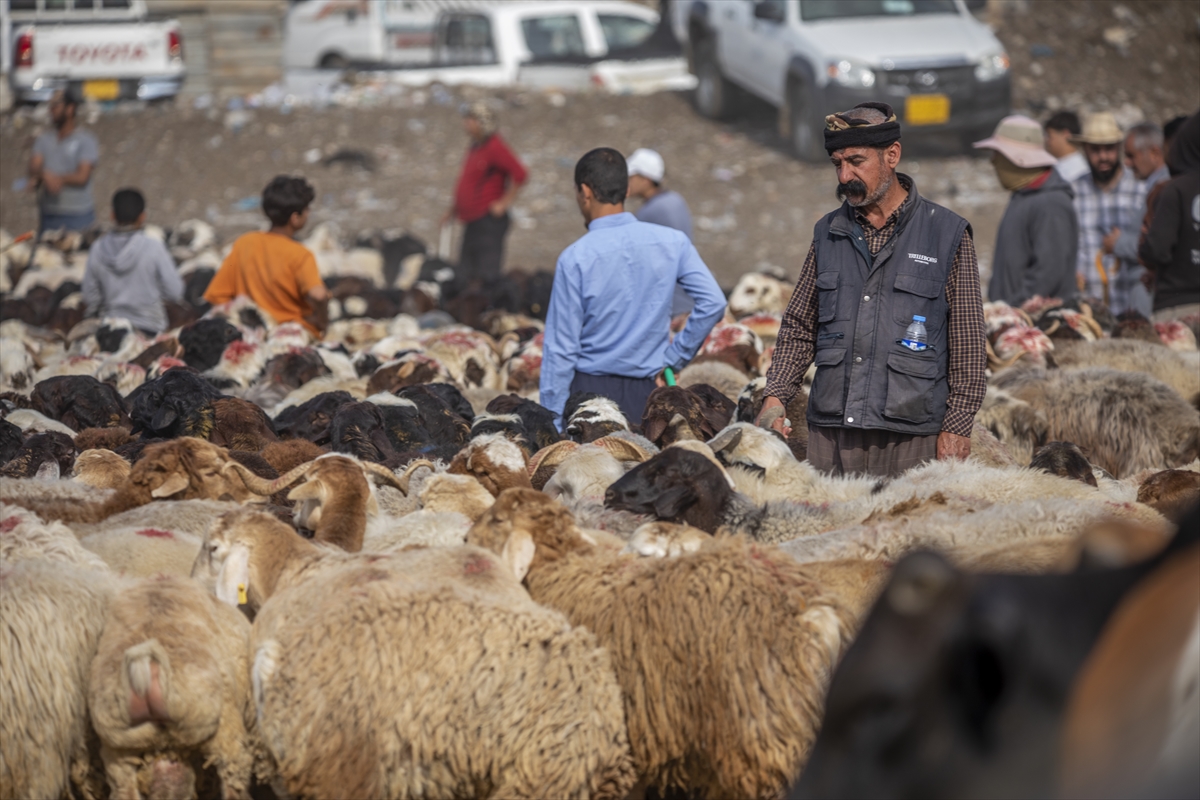
ERBIL (Kurdistan24) - The first light of dawn over Erbil's central livestock market does not bring silence, but a cacophony of bleating sheep, revving truck engines, and the staccato rhythm of men bartering over the price of a year's savings. The air is thick with the scent of dry hay and diesel, a fine dust hanging over the pens where thousands of animals are being poked, prodded, and appraised.
For the traders, this is the most critical window of the year; for the families of the Kurdistan Region, it is a high-stakes negotiation where faith meets the dwindling power of the dinar.
As Eid al-Adha approaches, the ritual of Qurbani, the sacrifice of a goat, sheep, or cow to commemorate the Prophet Abraham's devotion, remains the heartbeat of the season.
Yet, according to an Anadolu Agency (AA) report from the ground in Erbil, the usual festive anticipation is being tempered by a complex web of shifting export routes and local supply shortages that have sent prices climbing toward uncomfortable heights.
Market Pressure and Rising Prices
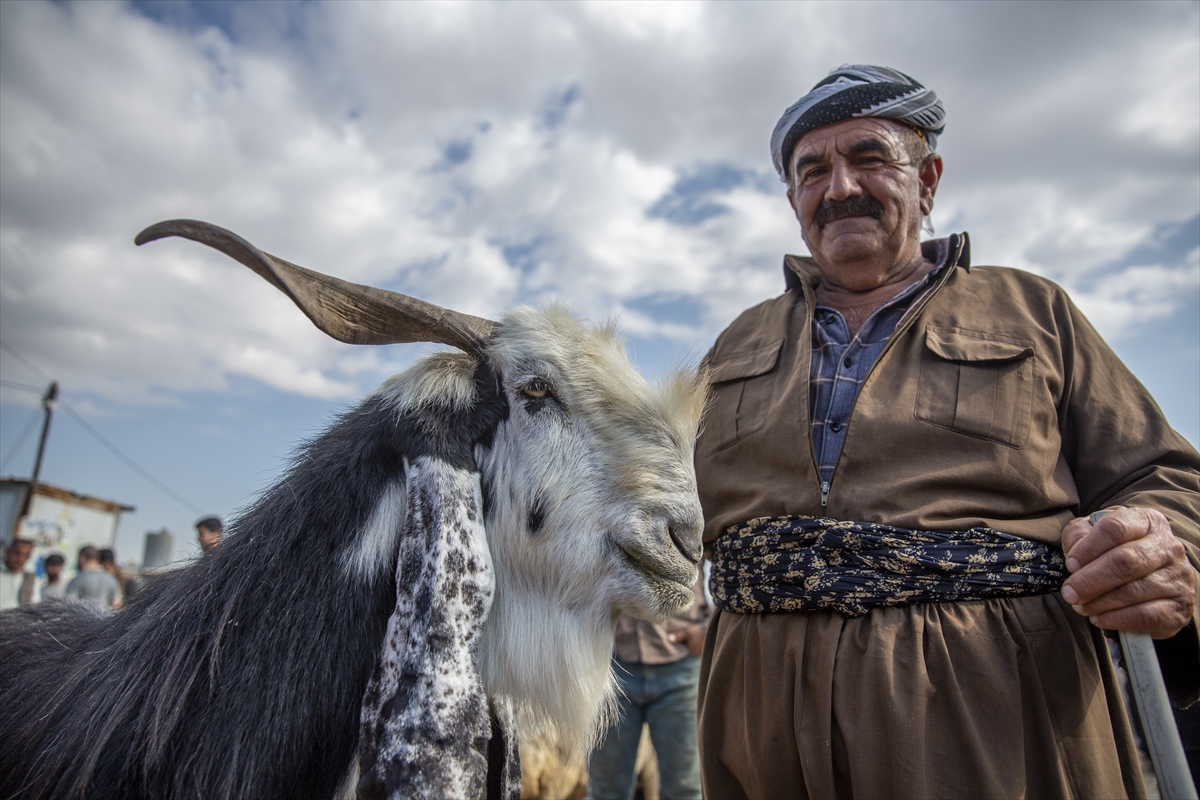
The Ministry of Agriculture and Water Resources of the Kurdistan Regional Government (KRG) has attributed the current surge in livestock prices to a combination of logistical bottlenecks and a shrinking regional inventory.
In a special remark to Kurdistan24 on Saturday, Nebez Rafat, an advisor to the Ministry, explained that the closure of certain borders and airports has significantly disrupted the traditional supply chain during this high-demand season.
This scarcity, Rafat noted, has not only driven up the cost of live animals but has also sparked an increased demand for imported frozen meat as a necessary alternative for households facing rising costs.
These official findings are reflected in the daily struggle of traders in Erbil's animal squares, where the demand for sacrificial animals has reached its annual fever pitch.
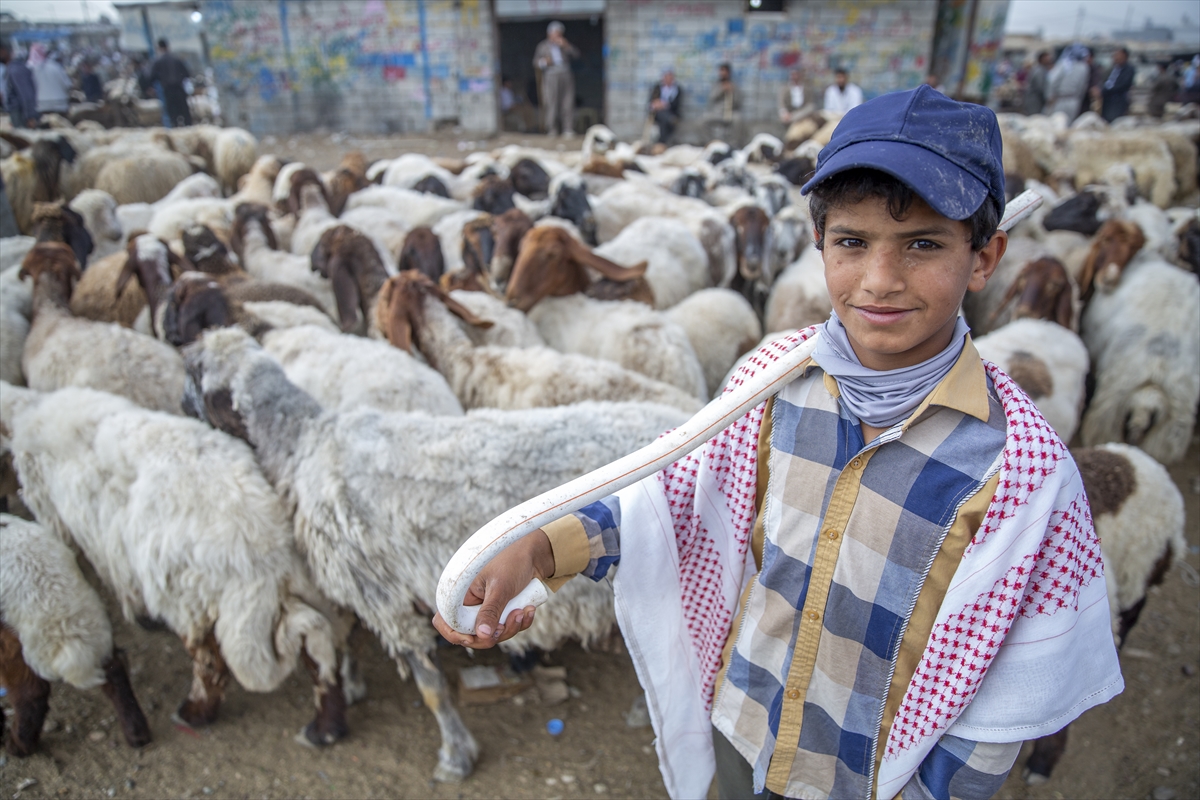
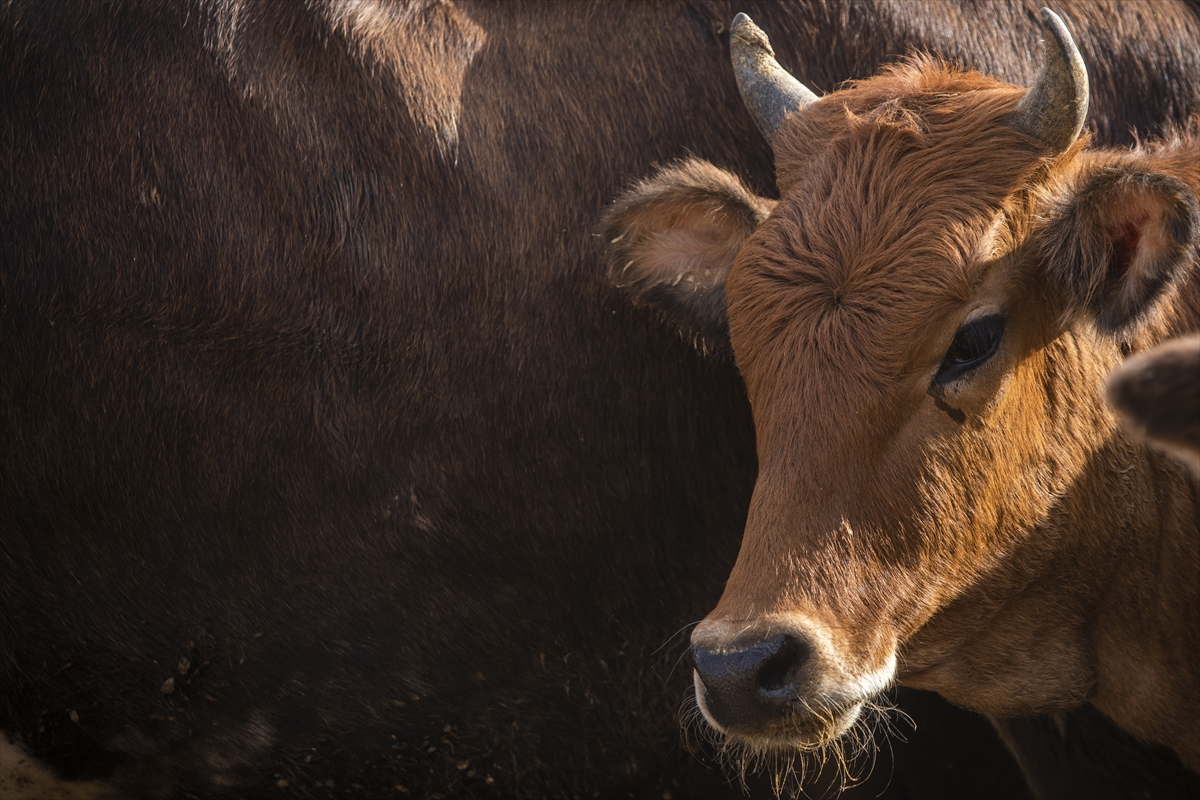
Buyers weave through the stalls, looking for the tell-tale signs of a healthy sacrifice: a sturdy frame, clear eyes, and the correct age required by religious law. However, the price of meeting these requirements has climbed significantly due to the regional pressures identified by the Ministry.
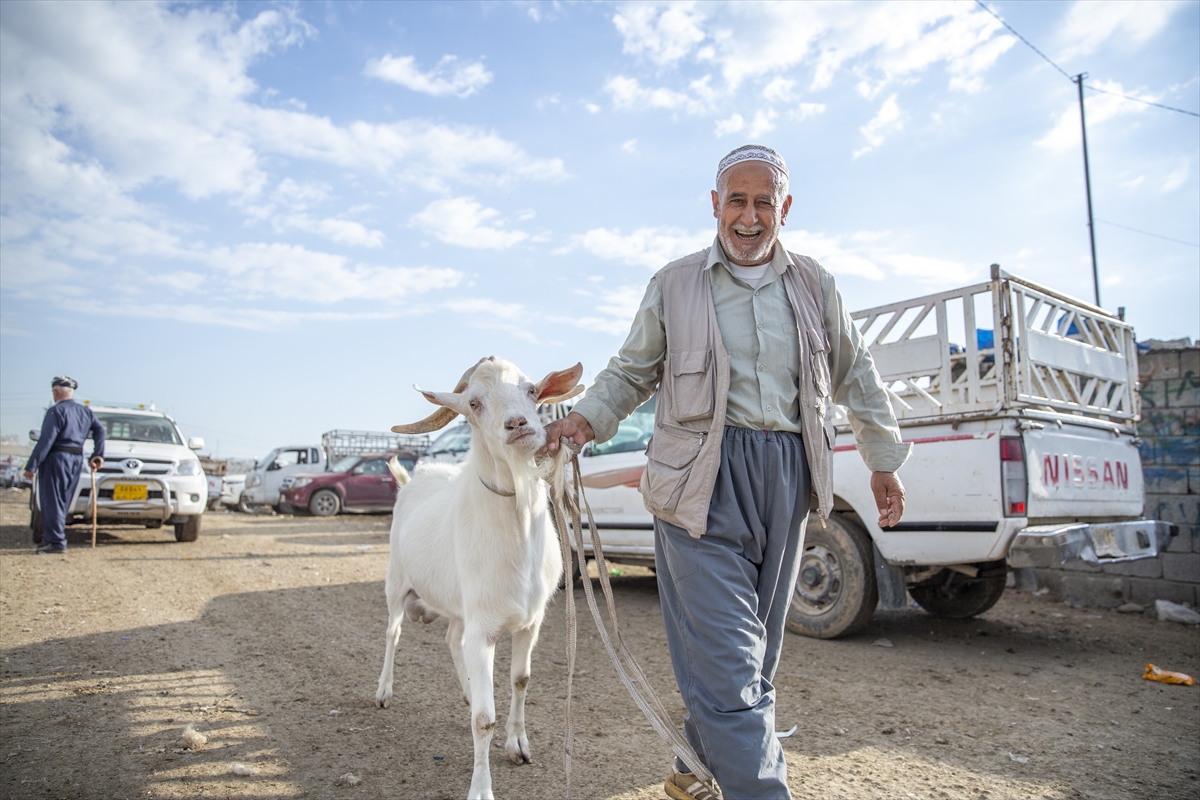
Maghdid Suleiman, a veteran livestock seller in the Erbil market, told an Anadolu Agency (AA) correspondent that the price hikes are a direct consequence of these shifting regional dynamics.
"Last year was cheaper," Suleiman observed while navigating a pen of restive rams. He explained that the traditional flow of animals has been further disrupted by market competition; currently, while the region relies on the Syria-Iraq border for official imports, a significant portion of that supply is being diverted to Saudi Arabia and the UAE.
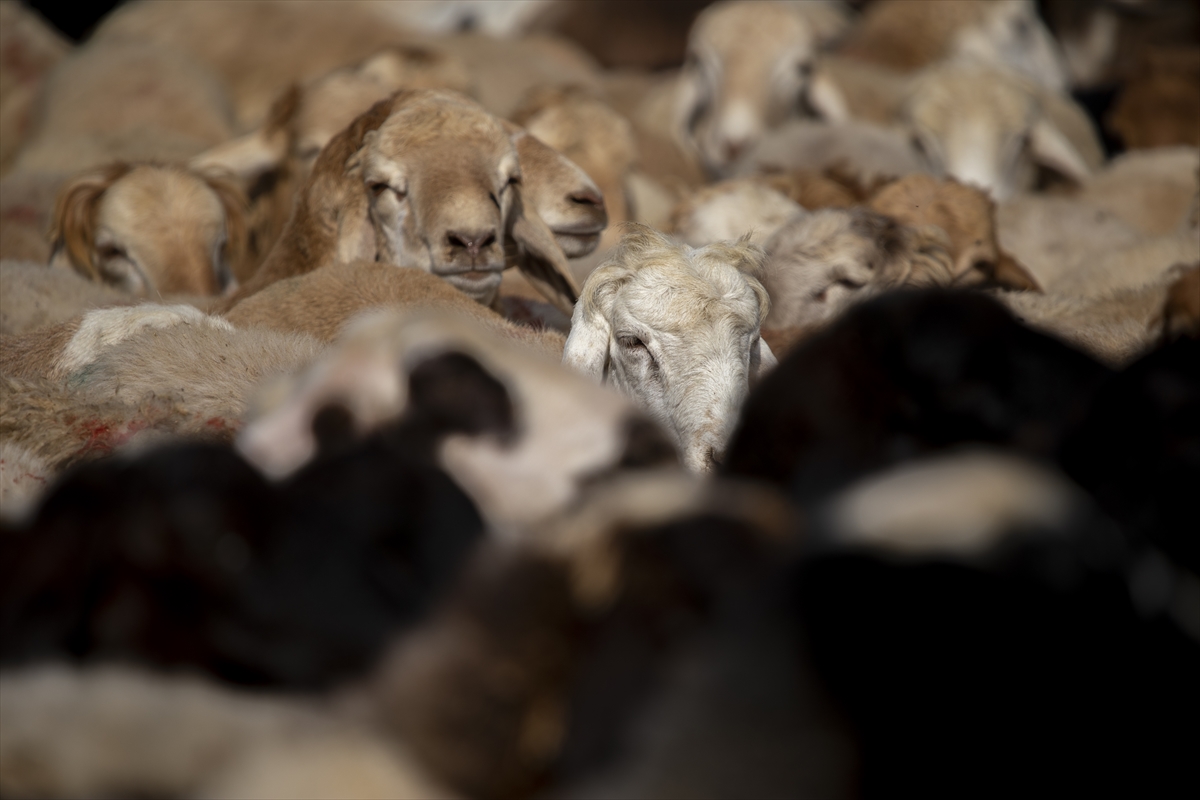
The fiscal impact of these disruptions is stark for the average consumer. In Erbil, the price of a yearling ram now hovers around 10,000 dinars per kilogram of live weight, while calves are fetching approximately 8,000 dinars.
These figures represent a significant burden for many households, a situation the Ministry of Agriculture links directly to the decrease in local livestock inventory.
Suleiman’s ground-level observations support this, pointing out that a lack of government support for local breeding and a shortage of adequate space to keep animals have left the Region heavily dependent on these volatile international import routes.
Supply Chains Under Strain
The economic strain is not unique to Erbil. In Mosul, the Gogjali animal market, one of the largest in Nineveh Province, reports similar congestion and even sharper price surges. According to Kurdistan24 reporting from Mosul, some buyers have found themselves priced out of the tradition entirely.
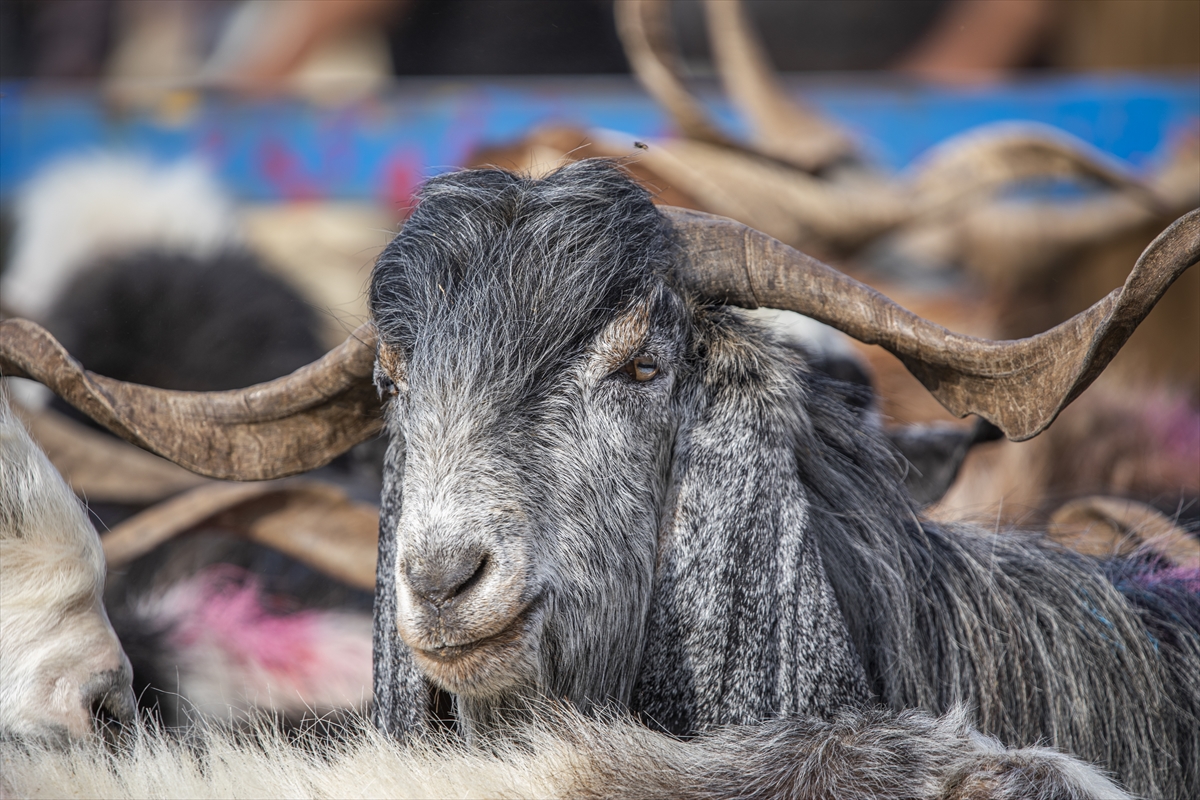
Agab Mela, a buyer in the Gogjali market, described the current market as a "burden." He noted that a pair of lambs can now cost anywhere from 550,000 to over a million Iraqi dinars. "Customs duties on imported animals have increased, and these are the factors weighing us down," Mela said.
Brokers in these markets try to ease the tension with "pleasant talk," attempting to find middle ground between sellers like Hussein Mohammed, who argues that without government subsidies for feed, he must sell at 900,000 dinars just to survive, and buyers struggling with stagnant wages.
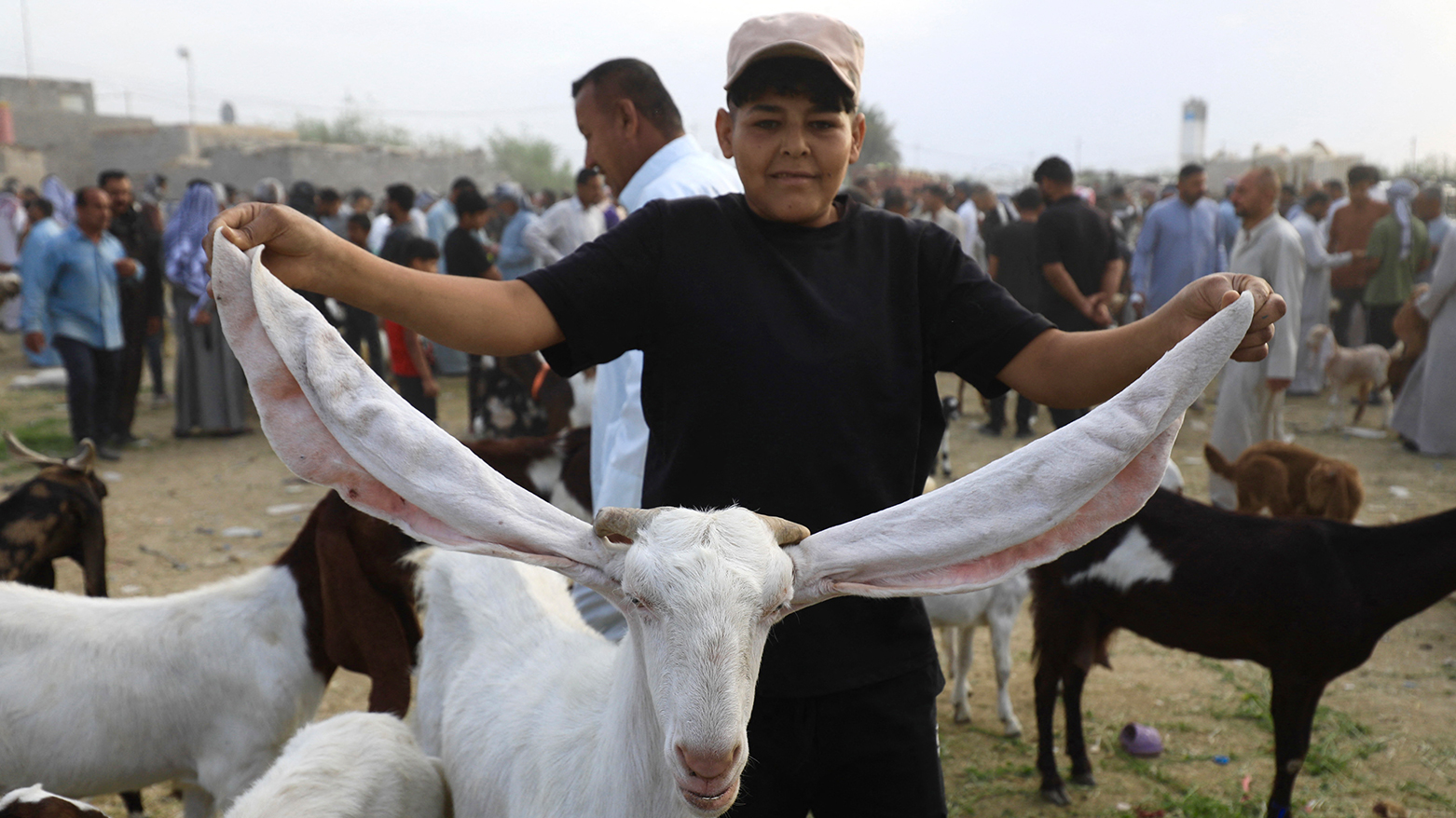
Eid al-Adha marks the end of the Hajj pilgrimage to Mecca and commemorates the Prophet Abraham's willingness to sacrifice his son as an act of obedience to God, with the ritual centred on the slaughter of livestock. (AFP)
Mohammed Jabbour, a livestock broker in Mosul, told Kurdistan24 that the "poor simply do not have the ability to buy" when even the cheapest lamb starts at 400,000 dinars.
Back in Erbil, Tahsin Nader, a livestock owner with years of experience, told the AA correspondent that he chooses to stop his transactions a week before Eid to avoid the "embarrassment" of the final price spike.
"Before the holidays, the price of all goods and commodities rises," Nader explained.
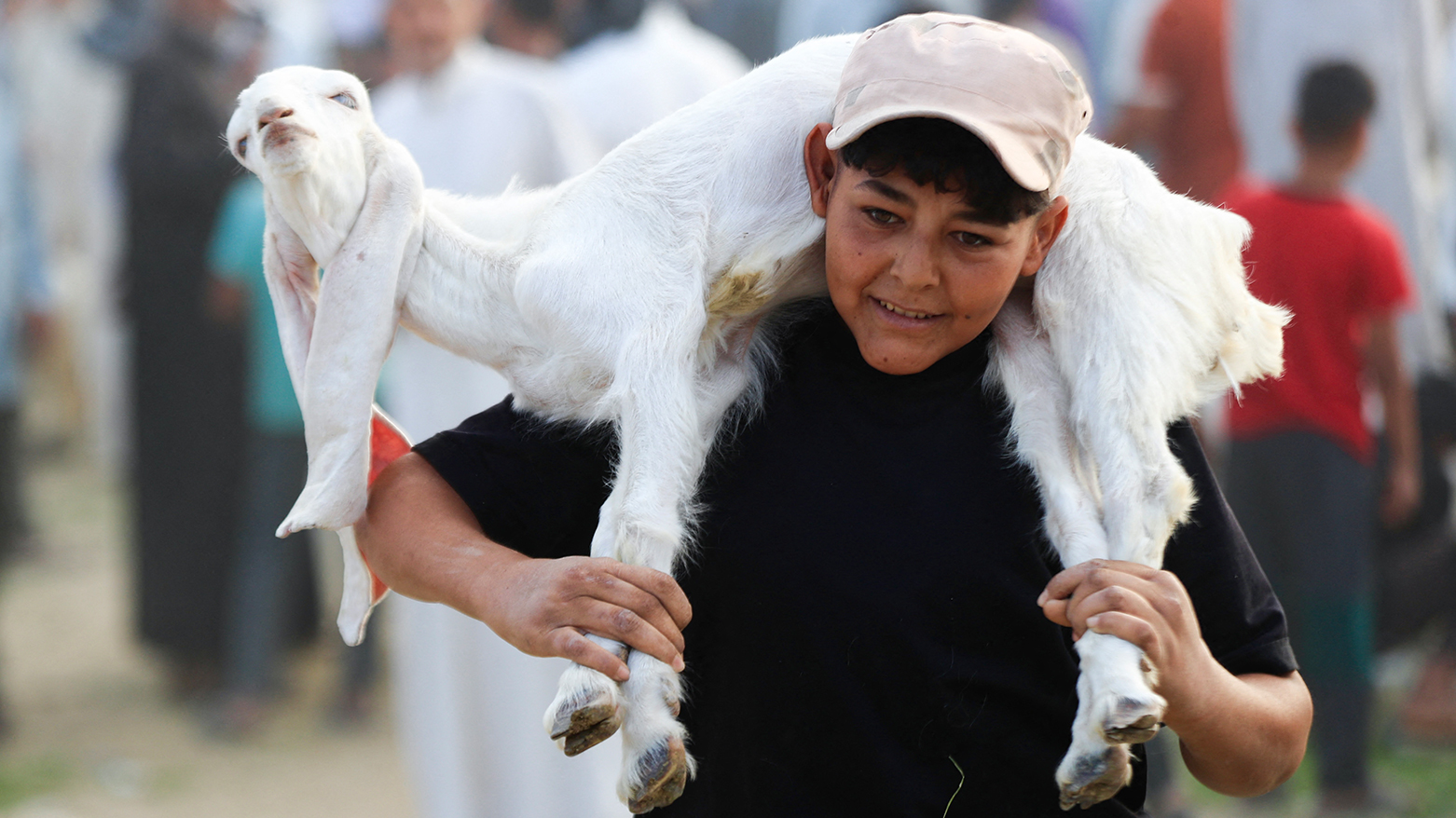
He noted that while domestic supply fails to meet demand, prompting the influx of Iranian and Syrian animals, those truly intent on the sacrifice often find a way.
"Those whose intention is to perform the sacrifice will not let themselves be deprived of the reward over an increase of a few thousand dinars," he added.
Eid Preparations Across Cities
While the market squares handle the commerce, the regional government is focusing on the logistics of the ritual itself. The transition from the marketplace to the dinner table is now governed by a strict set of health and administrative guidelines designed to modernize the tradition and protect public safety.
In Erbil, the Modern Slaughterhouse has moved into a state of total mobilization.
Director Helmat Hamza told Kurdistan24 that the facility is prepared to handle up to 1,400 animals daily, 1,200 small livestock and 200 larger cattle. To accommodate the surge, staff will work 12-hour shifts from 6:00 AM to 6:00 PM throughout the four days of Eid.
The government is also taking a hard line on where the sacrifice occurs.
Municipalities in both Erbil and Sulaimani have issued strictly worded statements prohibiting the slaughter of animals in streets, alleys, or private homes.
In Sulaimani, municipal teams and "joint committees" will be on duty to enforce these bans, warning that violators will face legal measures.
The emphasis is on hygiene and the prevention of environmental pollution, a sentiment echoed by the AFP (Agence France-Presse) in its national-level reporting on Iraq's livestock marketplace, which highlights the ritual's role in commemorating the Prophet Abraham while stressing the need for designated sacrificial areas.
Public Health and Slaughter Regulations
A primary driver behind these strict regulations is the looming threat of Crimean-Congo Hemorrhagic Fever (CCHF).
Nebaz Rafat, an advisor to the KRG Ministry of Agriculture and Water Resources, provided critical health context to Kurdistan24, noting that the symptoms of the virus often remain hidden in live animals.
"The symptoms do not appear very clearly; you might only see a temporary fever or lethargy," Rafat explained.
Because the virus can persist in an animal's body for seven days, the Ministry has issued a vital protocol for households: once an animal is slaughtered at an official facility, the meat must be refrigerated at 4 degrees Celsius for 24 hours before consumption. This process effectively neutralizes the virus.
Rafat praised the awareness of the Kurdish public, describing them as "exemplary" in their adherence to health guidelines compared to neighboring regions.
He noted that border closures and a decrease in regional livestock inventory have naturally driven up prices, but emphasized that the safety of the food chain remains the Ministry’s paramount concern. "Animals are quarantined according to the law," he said, ensuring that only healthy livestock reaches the market.
A Tapestry of Tradition and Transition
Despite the economic and regulatory pressures, the spirit of the holiday remains a powerful social glue.
Beyond the livestock pens, the Region is shifting into a broader "holiday mode." In Duhok, tourism centers are preparing for a massive influx of visitors from central and southern Iraq, with hotels reporting high pre-booking rates.
However, the human heart of Eid is perhaps best felt in the smaller, quieter preparations.
In Erbil's Langa Market, families are busy choosing "Eid clothes," a tradition that bridges the gap between the generations.
Diden Mohammed, a student, told Kurdistan24 of her simple joy in preparing her new outfit. "On the night before Eid, I will fold my clothes next to my bed," she said, a sentiment that resonates with anyone who grew up in the Region.
Yet, even this tradition is changing. Nyaz Hamadamin, who has sold children's clothing for 15 years, told Kurdistan24 reporter Shayma Bayiz about the vast difference between the past and the present.
"In my time, we used to sleep with our Eid clothes next to us," he reminisced, noting that today's youth are often more preoccupied with their mobile devices than the tactile excitement of new fabric.
As the five-day public holiday begins, the bustle of Erbil's livestock market will eventually give way to the quiet of communal prayer and the warmth of family gatherings.
The high prices in Mosul, the logistical rigor of the Erbil slaughterhouses, and the health warnings from the Ministry of Agriculture all form the backdrop of a modern Eid.
It is a season defined by resilience, a time when the people of Kurdistan and Iraq navigate the complexities of global supply chains and regional instability to honor a tradition that remains, at its core, an act of faith and a celebration of life.
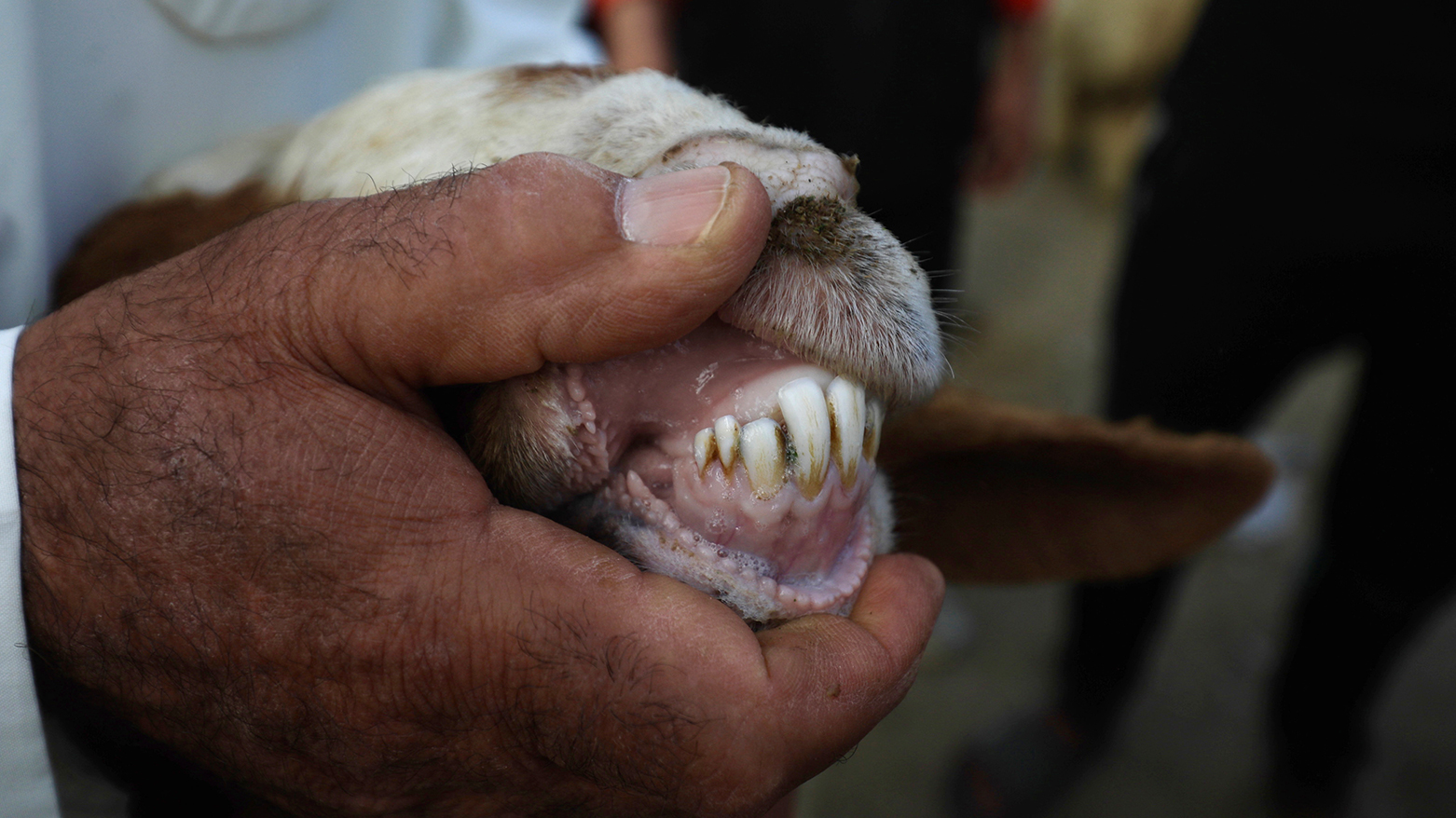
Eid al-Adha marks the end of the Hajj pilgrimage to Mecca and commemorates the Prophet Abraham's willingness to sacrifice his son as an act of obedience to God, with the ritual centred on the slaughter of livestock. (AFP)
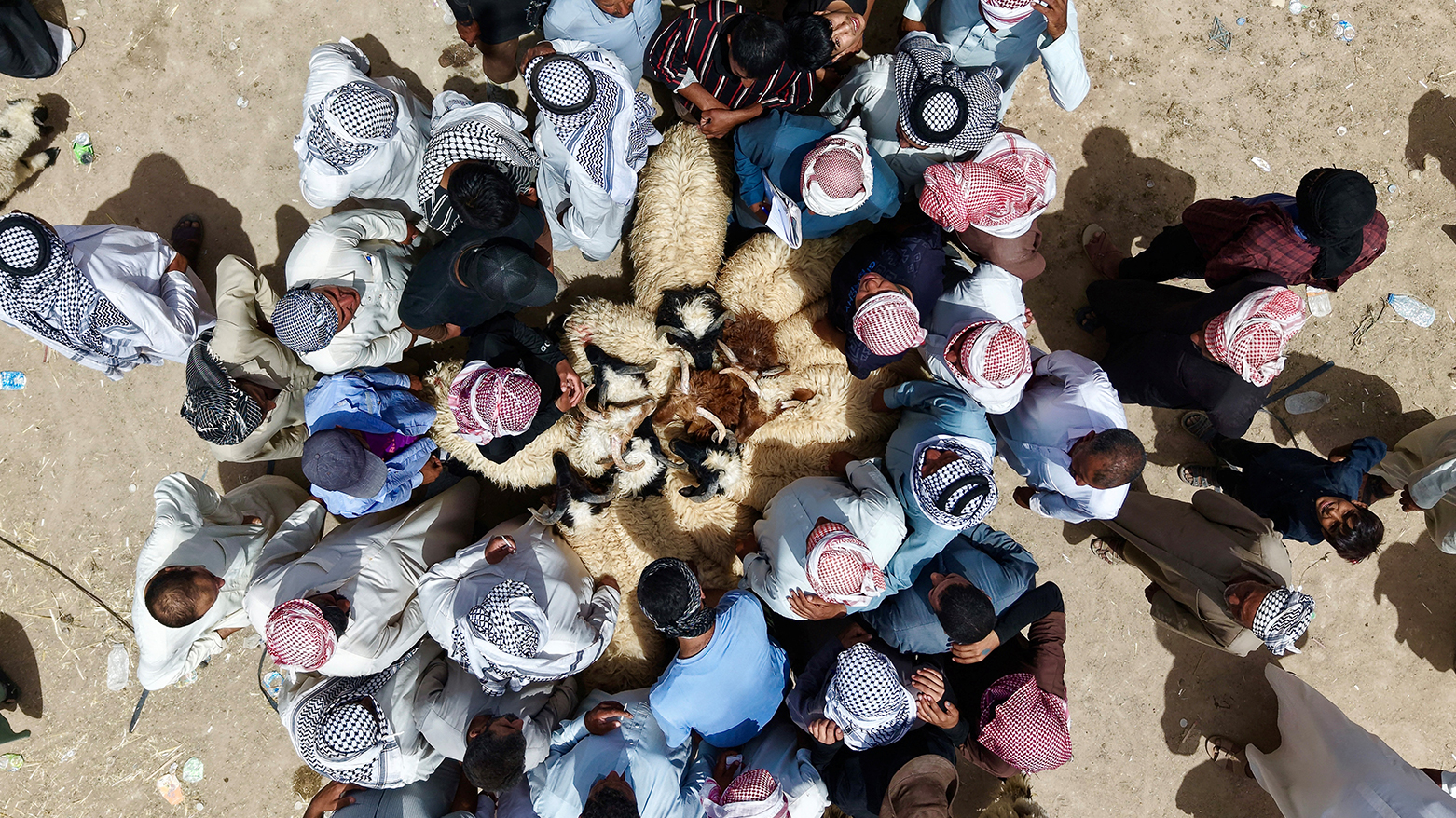
Eid al-Adha marks the end of the Hajj pilgrimage to Mecca and commemorates the Prophet Abraham's willingness to sacrifice his son as an act of obedience to God, with the ritual centred on the slaughter of livestock. (AFP)
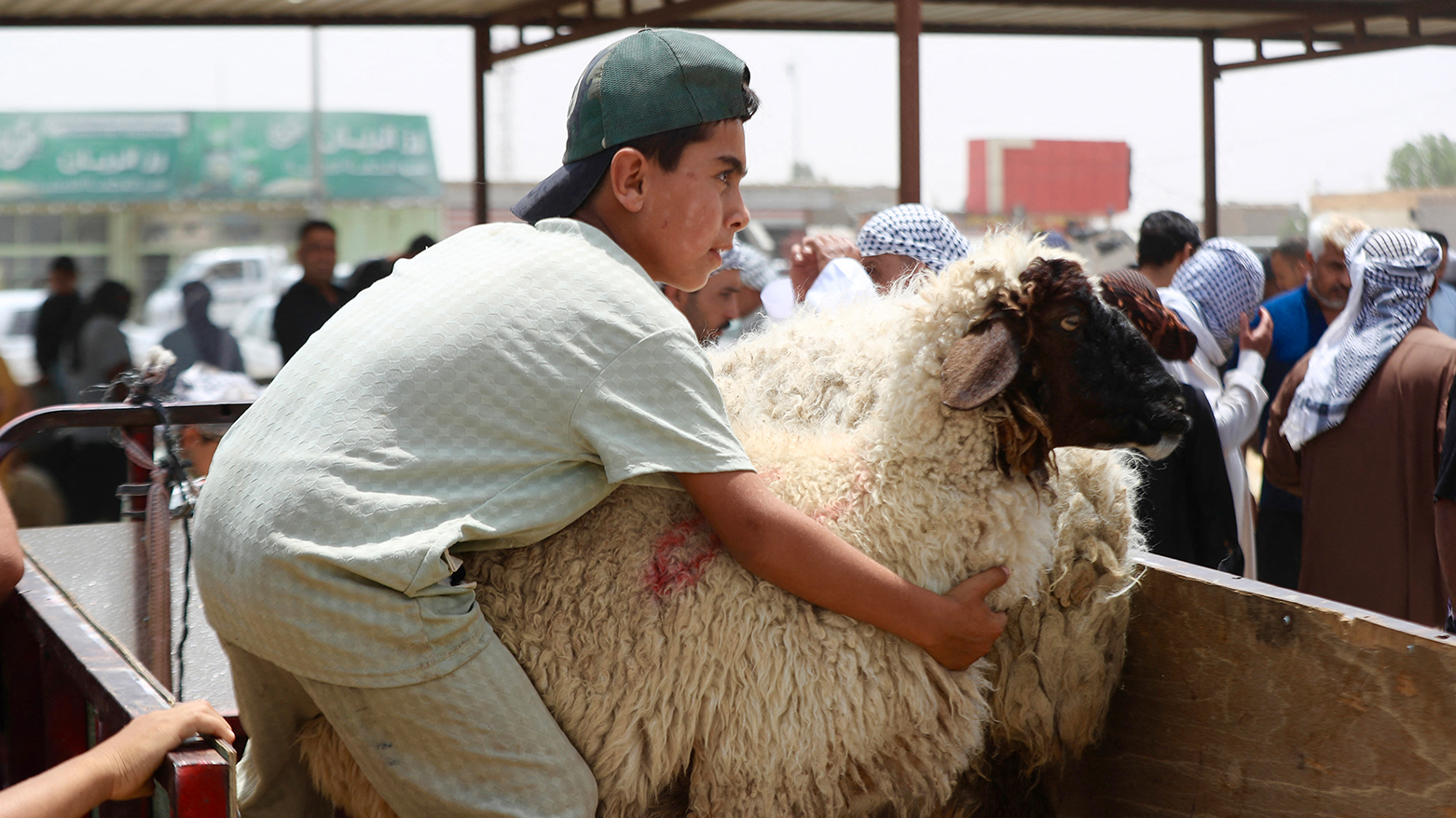
Eid al-Adha marks the end of the Hajj pilgrimage to Mecca and commemorates the Prophet Abraham's willingness to sacrifice his son as an act of obedience to God, with the ritual centred on the slaughter of livestock. (AFP)