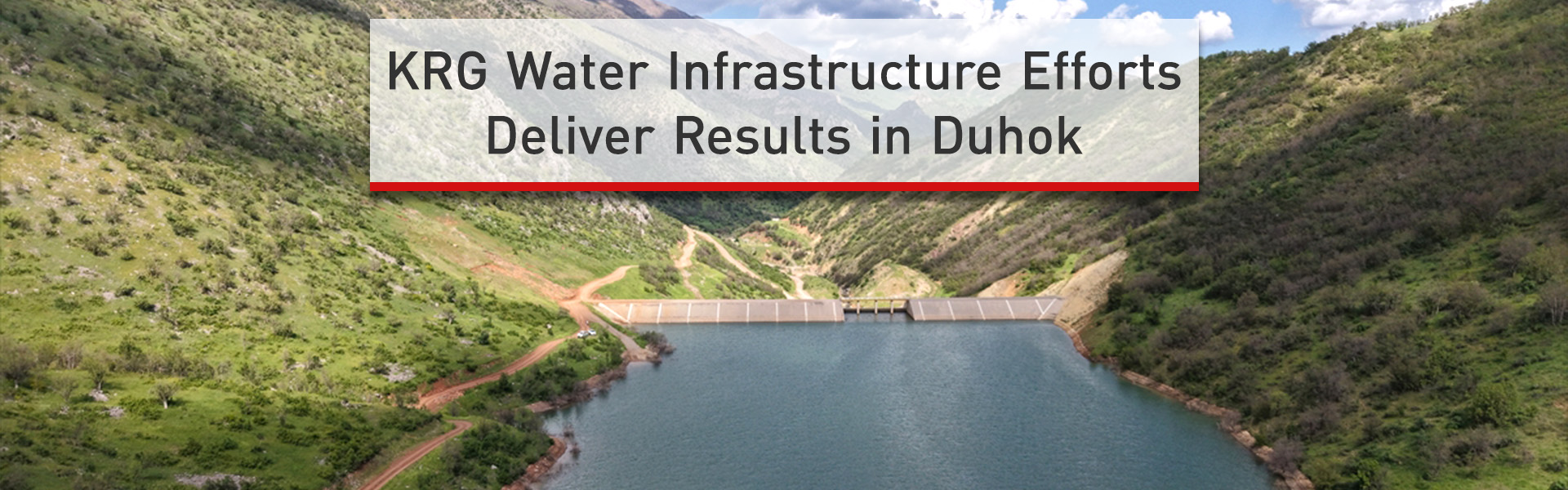
Kurdistan Water Projects Deliver Results as Duhok's Bidohi Dam Fills to Capacity
|
Summary Record Rainfall Replenishes Duhok's Bidohi Dam as Kurdistan Banks on Water Infrastructure Following an exceptional rainy season, Duhok's Bidohi Dam has reached its 1.8 million cubic meter capacity, transforming into a major tourist destination. The replenishment underscores the Kurdistan Region's strategic push to expand water infrastructure, protect groundwater, and ensure long-term security. |
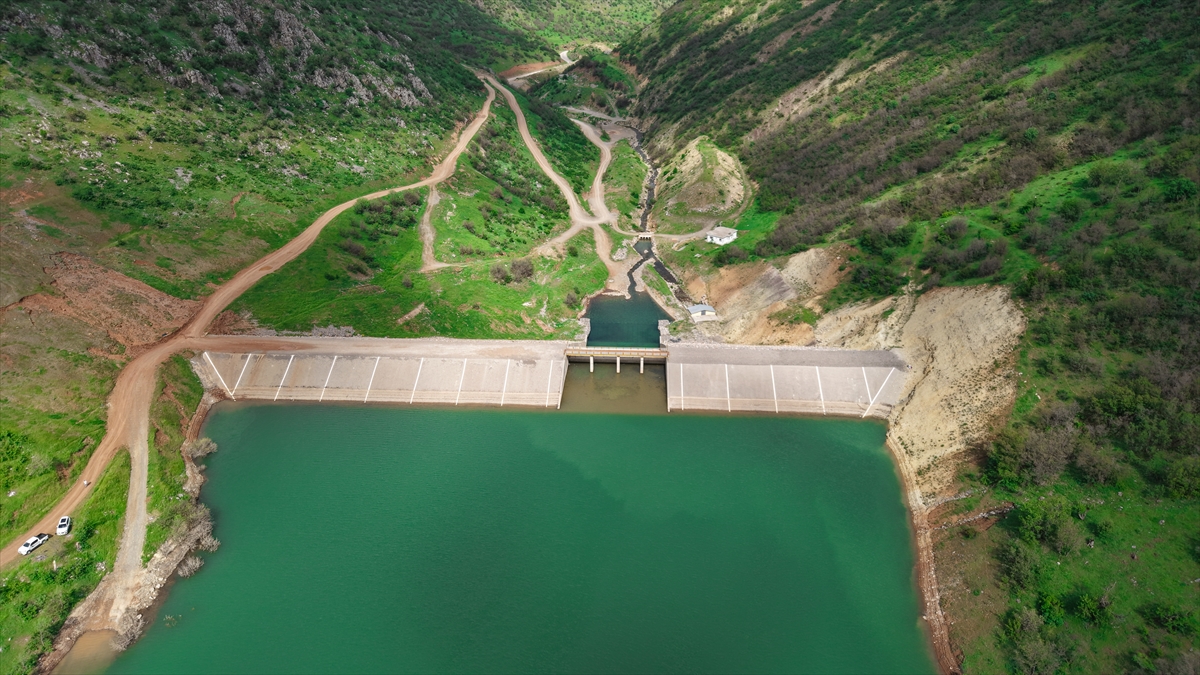
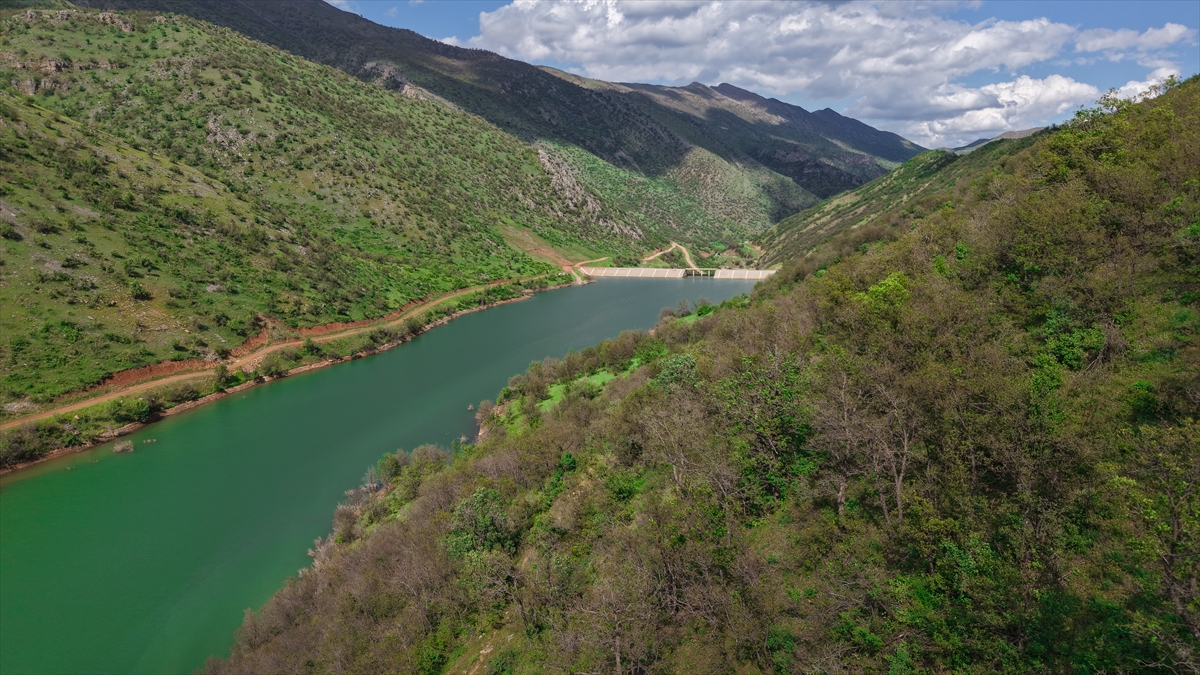
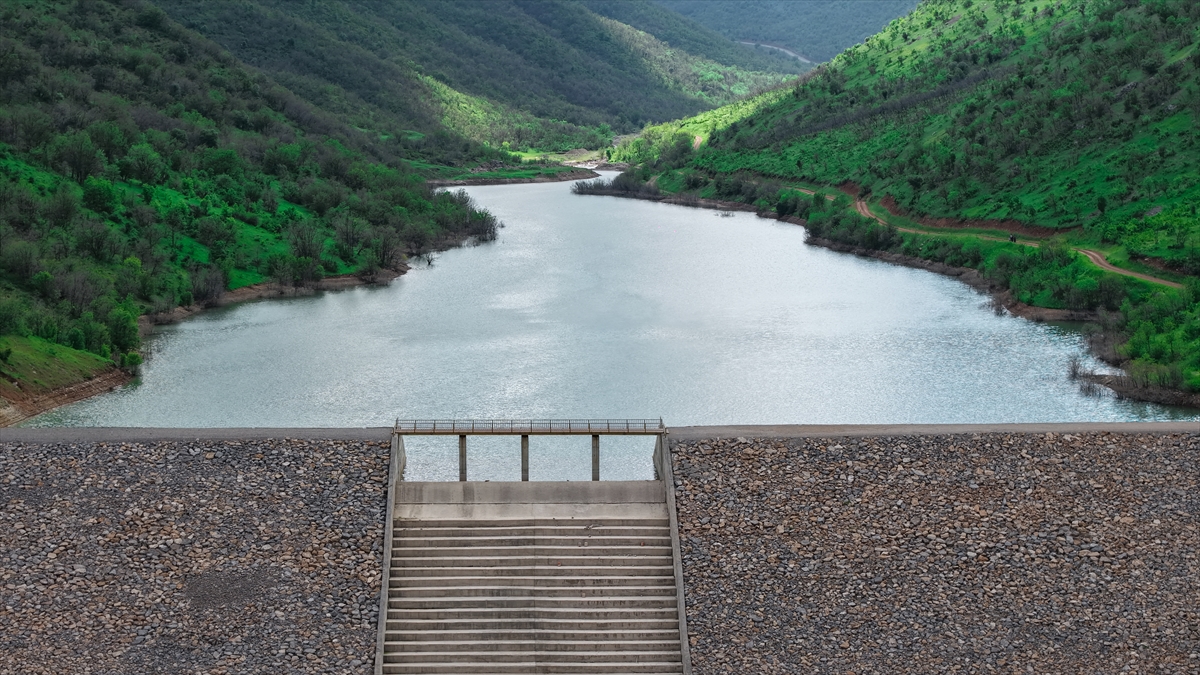
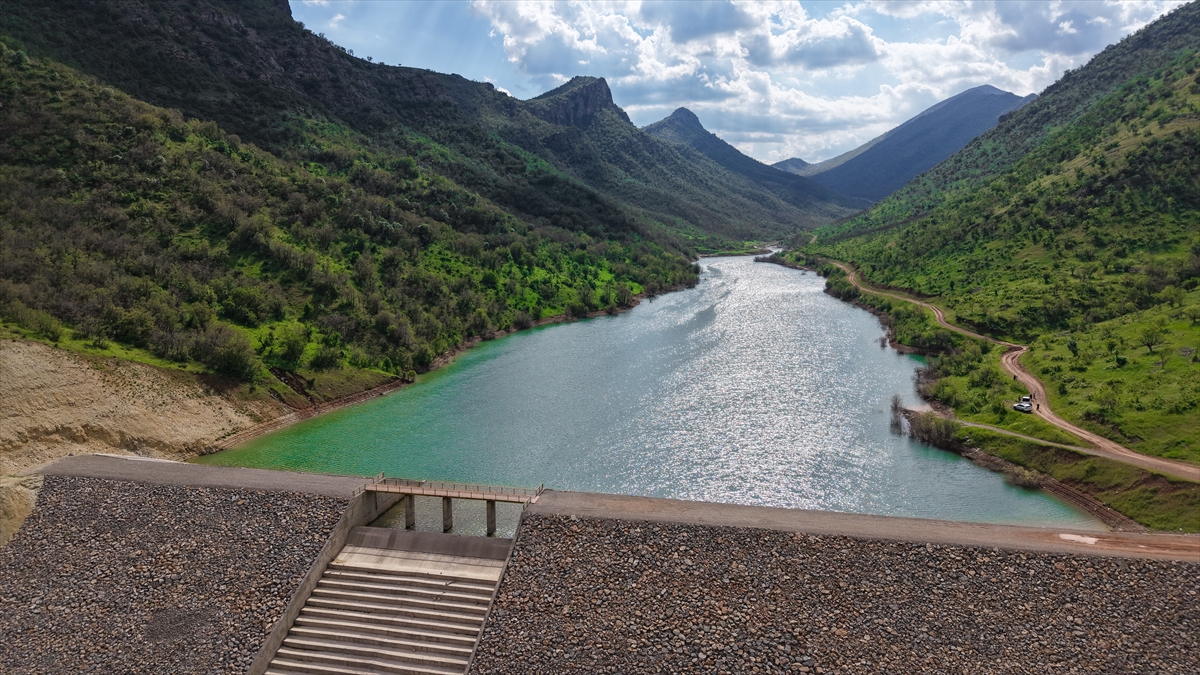
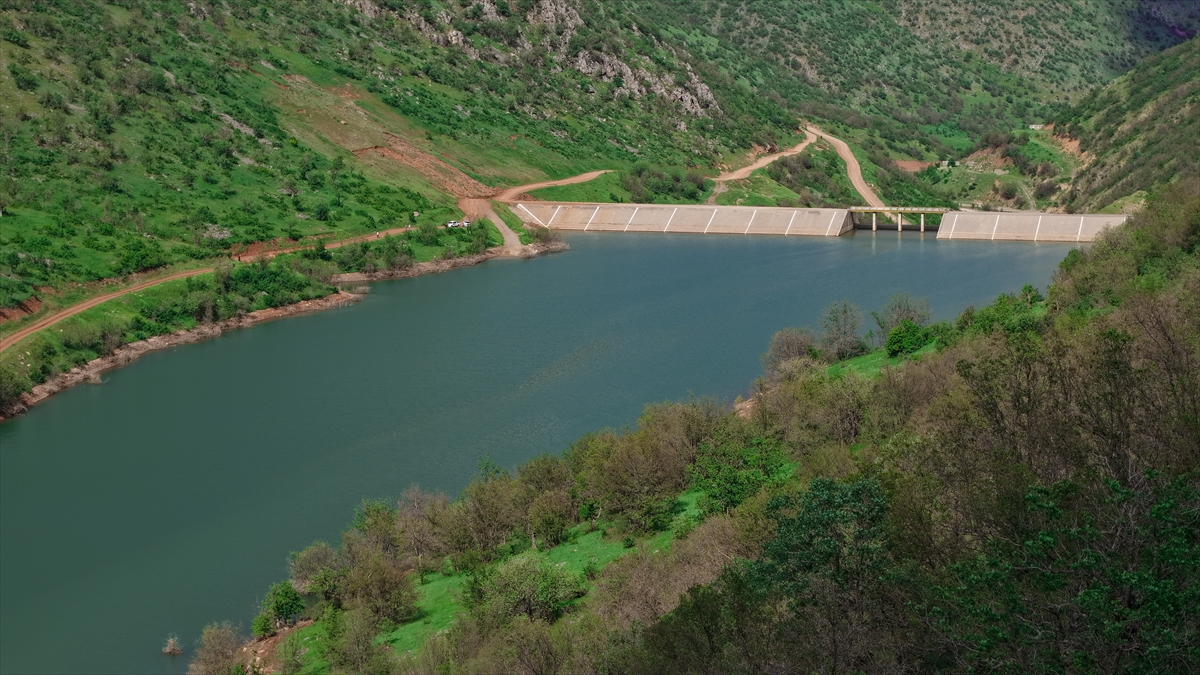
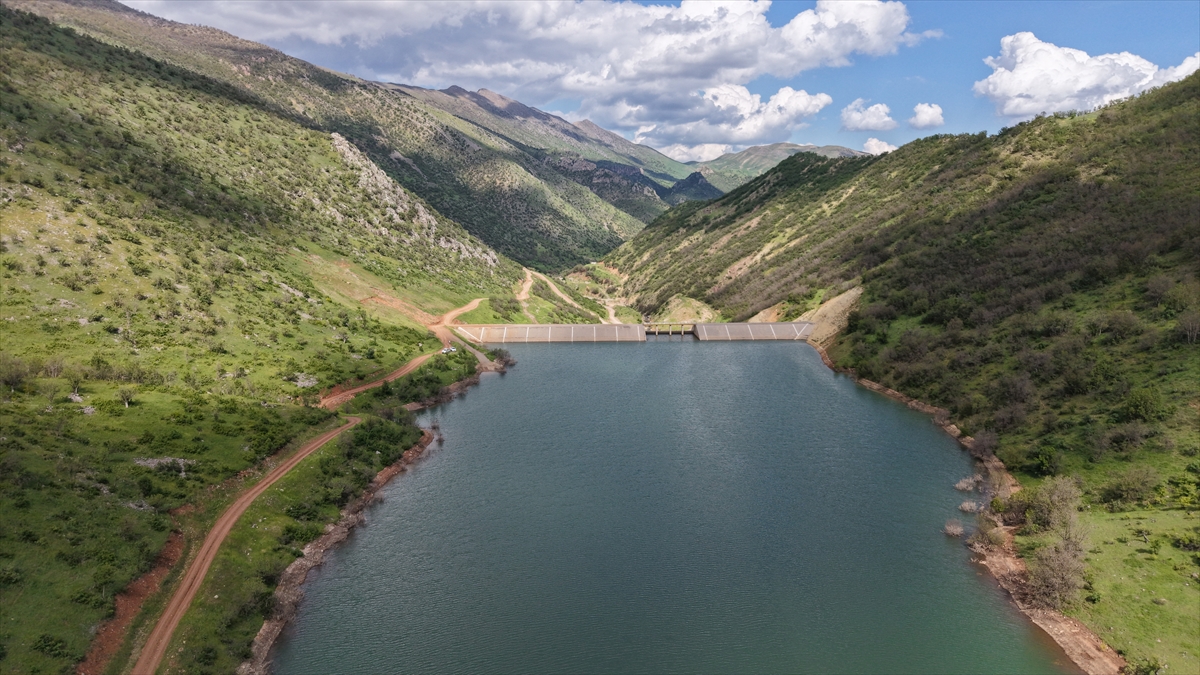
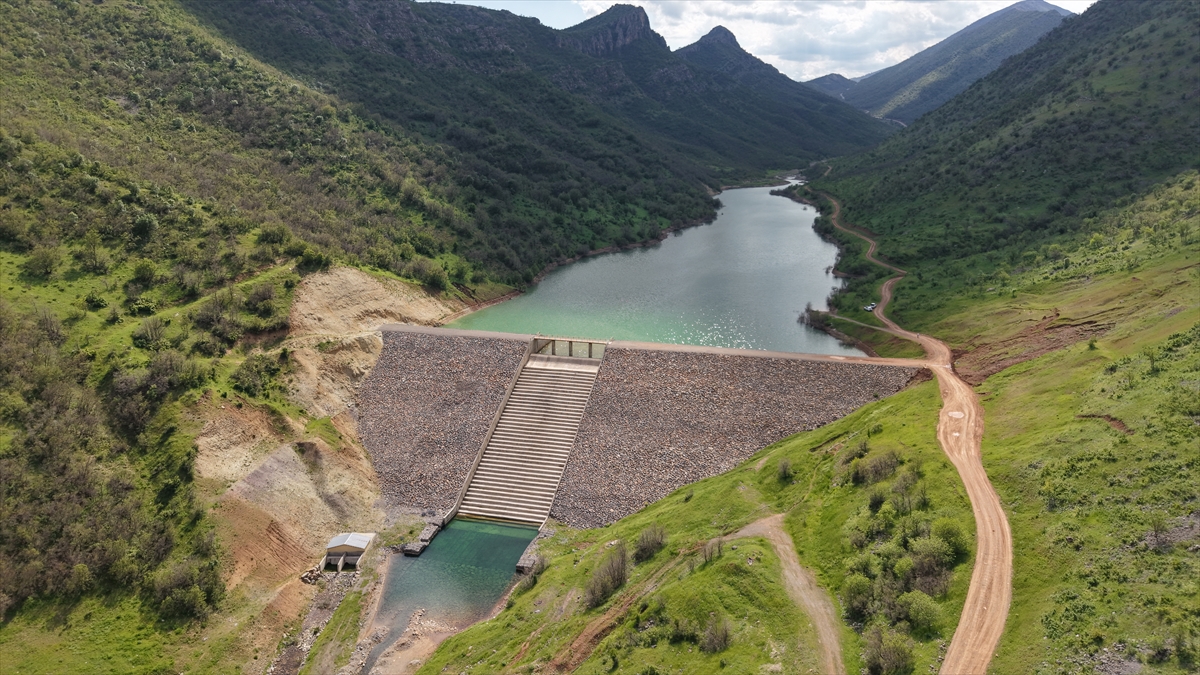
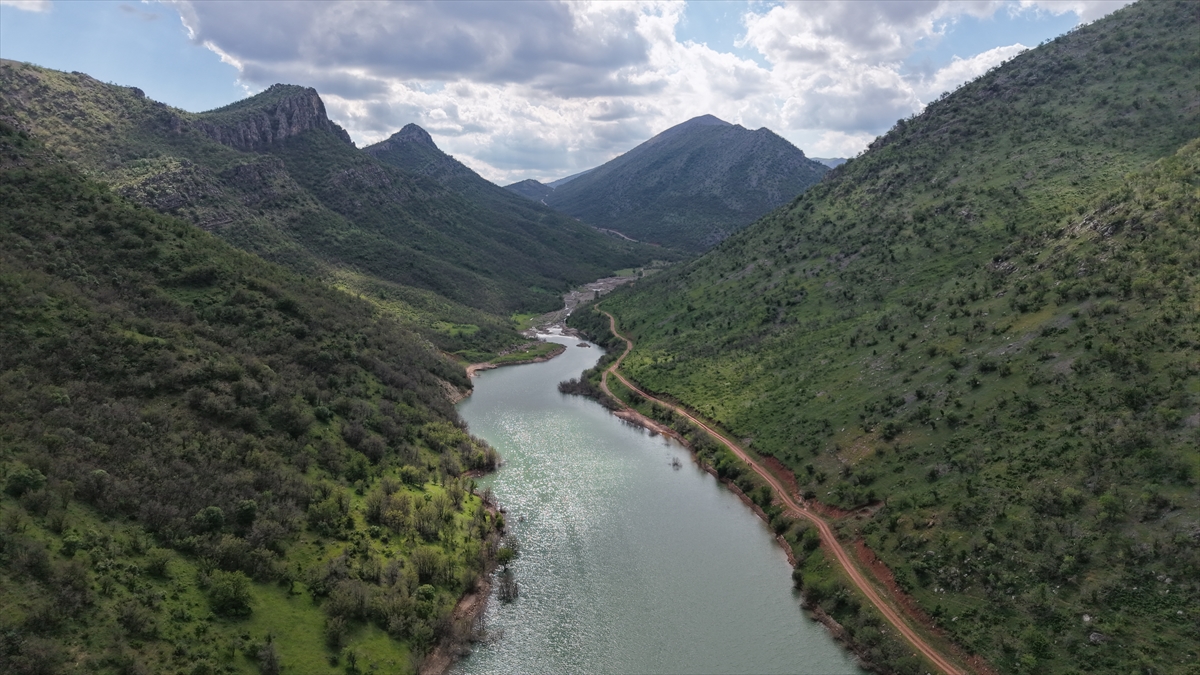
ERBIL (Kurdistan24) - Nestled deep within the lush, verdant valleys of the Barwari Bala region in Duhok province, the Bidohi Valley Dam has undergone a dramatic transformation. Following one of the strongest rainy seasons in recent years, the reservoir has swelled to near-maximum capacity, standing as a vivid testament to the power of nature and the vital importance of long-term infrastructure planning.
According to a Kurdistan24 report detailing the reservoir's resurgence, the Bidohi Valley Dam boasts a storage capacity of 1.8 million cubic meters.
This year, torrential downpours across Duhok and the surrounding highlands yielded rainfall totals more than double those recorded during the previous season.
As the waters rose, the dam not only secured essential resources for local communities but also blossomed into a premier eco-tourism destination. Today, the site draws visitors from across the region, offering a picturesque landscape where deep blue waters intersect with towering mountains and sprawling green expanses.
The revival of the Bidohi Dam is not an isolated event.
The unprecedented rainy season has replenished the majority of ponds and dams throughout Duhok province, with many reaching full capacity or beginning to overflow.
Yet, while the abundant rainfall was a gift of nature, the region's ability to capture, store, and manage this deluge is the direct result of a calculated, multi-year strategy executed by the Kurdistan Regional Government (KRG).
A Strategic Pillar of Governance
Under the leadership of Prime Minister Masrour Barzani, the KRG's Ninth Cabinet has elevated water infrastructure from a logistical necessity to a central pillar of economic reform and climate resilience.
Recognizing the growing threats of regional drought, declining groundwater levels, and rapid urban expansion, the government has invested billions into expanding the region's capacity to manage surface water.
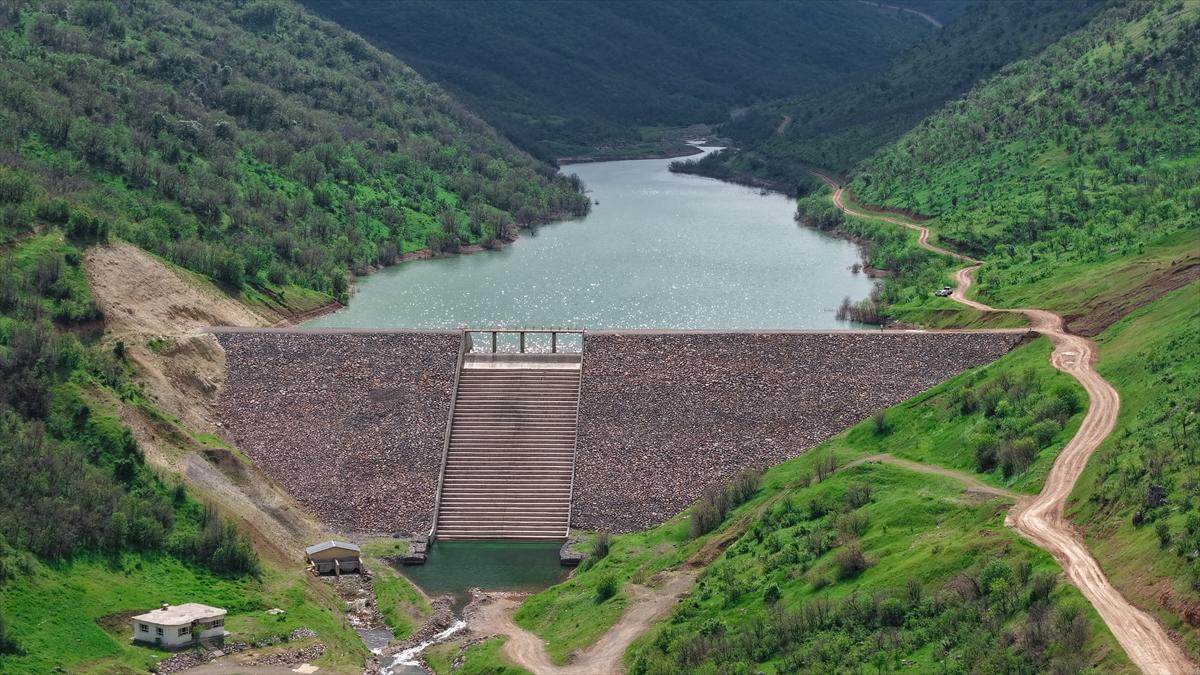
According to a Kurdistan24 report examining the reshaping of the water sector, the Kurdistan Region now operates 36 dams, including 25 completed structures and 11 currently under construction.
During the tenure of the Ninth Cabinet alone, the government completed nine new dams, adding more than 252 million cubic meters of localized storage capacity.
This massive infrastructure push has elevated the region's total stored water reserves to an estimated 8.5 billion cubic meters.
The construction of smaller, localized reservoirs like the Bidohi Dam plays a crucial role in this broader ecosystem.
While major structures like the Dukan and Darbandikhan dams account for the bulk of regional reserves, holding billions of cubic meters, the decentralized network of smaller dams and 178 newly established ponds provides immediate relief to rural and agricultural areas.
These localized projects capture runoff, reduce flood risks during intense storms, and directly support the agricultural and livestock sectors that form the backbone of the rural economy.
Protecting the Future: Shifting Away from Groundwater
Beyond mere storage, the expansion of dams and reservoirs is part of a critical environmental strategy: halting the dangerous depletion of the region's groundwater.
For decades, rapid population growth and recurring droughts forced municipalities to rely heavily on emergency well extraction, placing unsustainable stress on subterranean aquifers.
By dramatically expanding surface-water storage and constructing 25 major strategic purification plants, the KRG is systematically reducing this reliance.
A Kurdistan24 report analyzing the expansion of water security infrastructure noted that large-scale initiatives, such as the Erbil Emergency Water Project and the Fast Water Projects in Qushtapa, Pirmam, and Barzan, have allowed authorities to take more than 1,000 groundwater wells out of service.
This shift is viewed by environmental officials as an essential step toward restoring depleted aquifers and ensuring long-term ecological balance.
The Intersection of Water, Economy, and Tourism
The brimming Bidohi Dam illustrates another critical dimension of the KRG's water strategy: the intersection of infrastructure and economic diversification.
The government increasingly views roads, water systems, and electricity networks as an integrated ecosystem designed to move the Kurdistan Region away from its historical dependency on oil revenues.
When dams like Bidohi reach capacity, they do more than irrigate fields; they stimulate local economies by attracting tourism, which in turn supports rural businesses and hospitality services.
Furthermore, the stabilization of water supplies enhances food security by providing farmers with predictable irrigation, shielding them from the erratic cycles of regional drought.
On a macro level, the expanded reservoir network has also boosted the region's renewable energy capacity, with hydroelectric production rising significantly alongside water levels.
A Deluge of Rain, A Foundation for the Future
As visitors flock to the scenic shores of the Bidohi Valley Dam, they are witnessing the immediate benefits of an exceptionally generous winter. The torrential rains that swept across Duhok breathed new life into the Barwari Bala region, transforming dry valleys into vibrant ecosystems.
However, the true success of this season lies in the concrete and earthworks that allowed that water to be captured.
As climate change continues to threaten the Middle East with increasing volatility, the brimming reservoirs of the Kurdistan Region demonstrate that while rainfall cannot be controlled, a government's readiness to harness it can secure the future of its people.
The replenishment of the Bidohi Dam serves as a powerful reminder that robust infrastructure is the only barrier between a fleeting natural blessing and a sustained strategic resource.