Over 1,200 Ezidi Women Still Missing Nearly 12 Years After ISIS Genocide, KRG Says
As the world observes the UN Day for the Elimination of Sexual Violence in Conflict, a solemn ceremony in Duhok highlighted the ongoing search for missing captives and the slow path to healing for survivors.
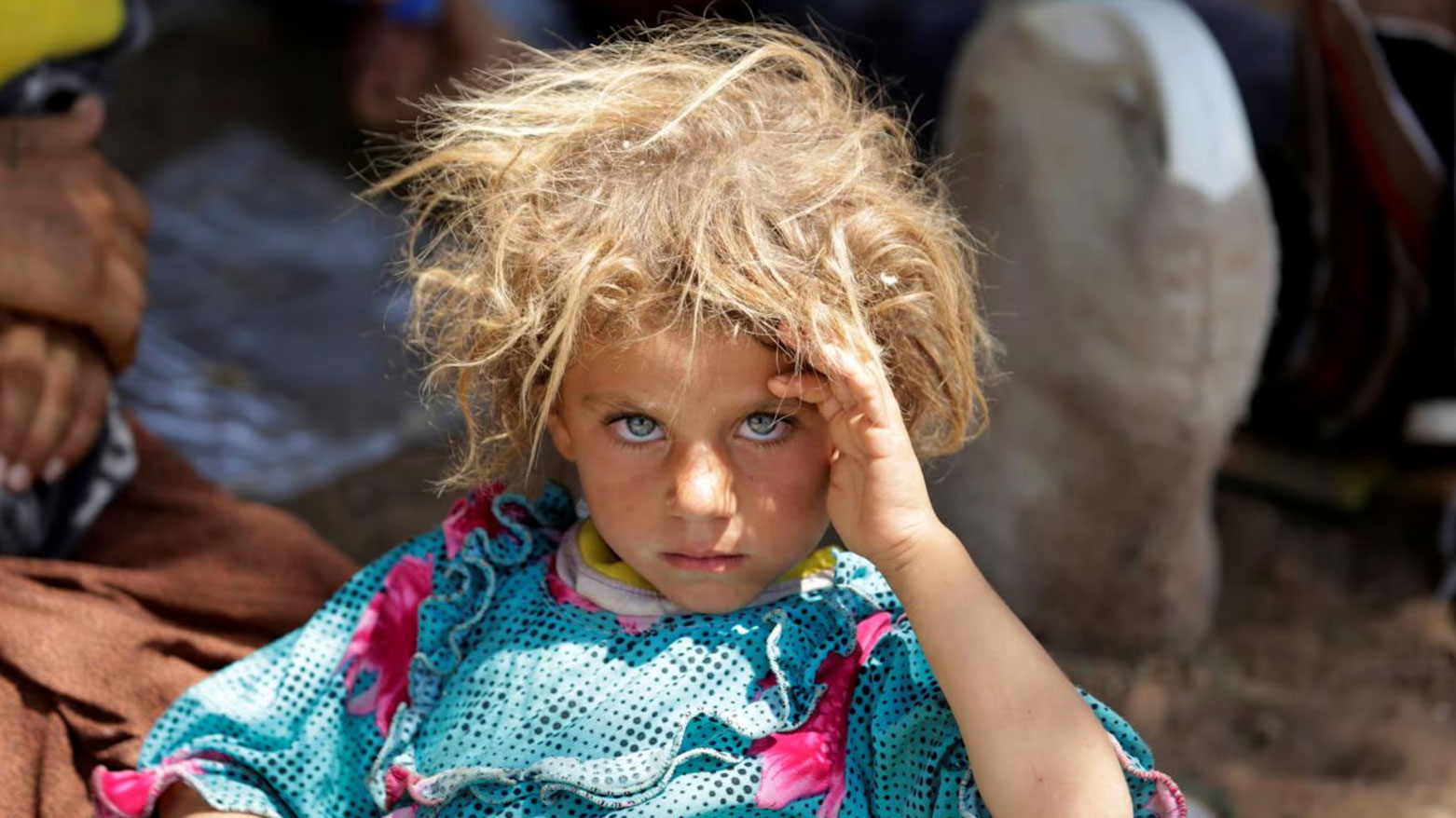
ERBIL (Kurdistan24) - As the international community observed the United Nations' International Day for the Elimination of Sexual Violence in Conflict on Friday, a somber gathering in the city of Duhok served as a stark reminder of one of the 21st century's darkest atrocities.
Nearly 12 years after the Islamic State (ISIS) swept through the Sinjar region, unleashing a systematic campaign of genocide and mass abduction, the fate of 1,215 Ezidi (Yazidi) women and girls remains agonizingly unknown.
For the Ezidi community, June 19 is not merely a symbolic date on the global diplomatic calendar; it is a day of profound mourning and a continuing demand for accountability.
The commemorative ceremony in Duhok brought together survivors, human rights advocates, and government officials to honor the victims of a terror network that explicitly weaponized sexual violence and slavery to subjugate an entire ethno-religious minority.
During the event, officials from the Kurdistan Regional Government (KRG) released updated figures detailing the ongoing effort to locate and recover those who were kidnapped during the 2014 onslaught.
According to the latest statistics, KRG-backed rescue operations have successfully facilitated the liberation of 3,590 Ezidi abductees from terrorist captivity, including 1,213 women.
Yet, beneath the relief of those reunions lies the haunting reality of "ambiguous loss", the psychological trauma experienced by families who have spent more than a decade waiting for news of missing daughters, sisters, and mothers.
Navin Smoqi, a relative of an abducted victim, told Kurdistan24 that Ezidi women have faced incomprehensible oppression.
Smoqi emphasized that for the families of the missing, the genocide is not a concluded historical event, but an ongoing nightmare defined by paralyzing uncertainty. Without definitive proof of life or death, thousands of relatives remain trapped in a state of suspended grief, unable to mourn properly or fully rebuild their lives.
Translating this immense grief into a demand for international justice remains a formidable challenge.
Susan Khodida, a human rights lawyer who vigorously advocates for Ezidi survivors, utilized the ceremony to underscore the critical need for accelerated action.
Khodida stressed that efforts to rescue those still held in captivity, many of whom are believed to be concealed within displacement camps in neighboring Syria or trafficked across borders, must be intensified immediately.
Furthermore, she emphasized that the global community has a moral and legal obligation to ensure that the perpetrators of these systemic crimes face prosecution in formal courts of law.
While the search for the missing continues, regional authorities face the monumental task of providing long-term care for those who have returned.
Khanzad Ahmad, Secretary-General of the High Council of Women's Affairs, outlined the KRG's ongoing institutional commitments to the survivors.
Recognizing that the road to recovery requires comprehensive state support, Ahmad noted that more than 3,000 Ezidi survivors currently receive a monthly financial stipend from the government.
Beyond economic assistance, the KRG has established specialized psychological rehabilitation centers to address severe trauma, alongside targeted programs designed to help survivors re-enter the educational system and seamlessly reintegrate into society.
The necessity of these robust rehabilitation programs is underscored by the sheer brutality of the crimes the survivors endured.
The UN specifically designated June 19 to raise awareness about the use of sexual violence as a tactic of war, and in Duhok, attendees recalled the specific horrors that prompted global outrage.
Mourners remembered the barbaric acts committed by ISIS militants, including the documented murder of 41 women and a horrifying incident in which 19 Ezidi women were burned alive in Mosul and Syria for refusing to submit to their captors.
As the ceremony in Duhok concluded, the message from the Ezidi community resonated far beyond the borders of the Kurdistan Region.
While the physical caliphate that orchestrated the genocide was dismantled years ago, the war's deepest and most intimate wounds remain open.
For the families of the 1,215 women who have yet to return home, true peace will remain elusive until the missing are accounted for and the perpetrators are finally brought to justice.
|
Summary As the world marks the International Day for the Elimination of Sexual Violence in Conflict, Kurdistan Region officials reveal 1,215 Ezidi women remain missing nearly 12 years after the ISIS genocide. While 3,590 abductees have been rescued, families still await justice and closure today. |