World Refugee Day: Inside Domiz, the Camp That Became a City
As international funding dries up and displacement enters its fifteenth year, the residents of Domiz Camp navigate a fragile existence between concrete permanence and the enduring dream of a homeland.
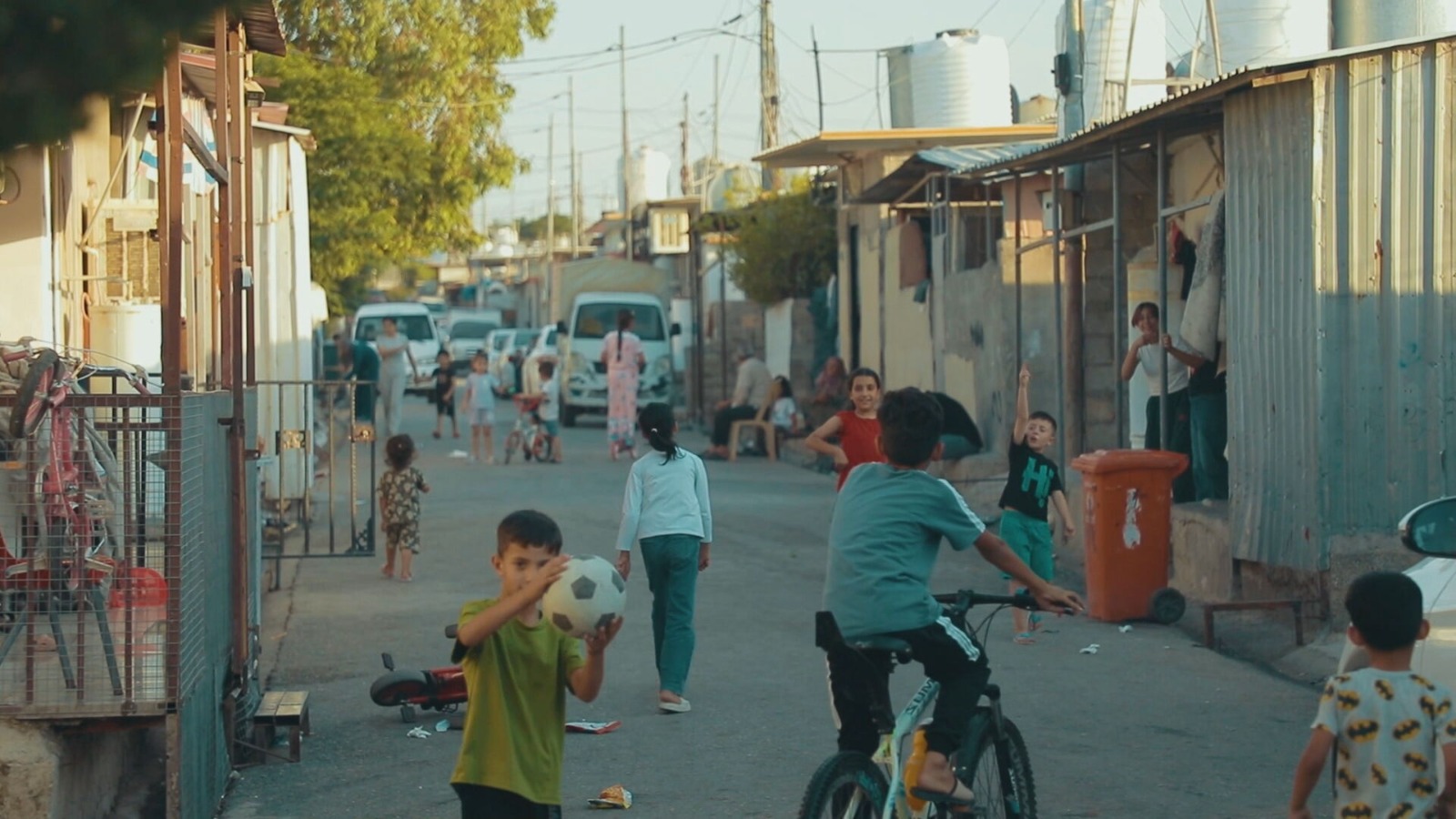
ERBIL (Kurdistan24) - On a sweltering afternoon inside Domiz Camp, the dust kicked up by passing vehicles hangs suspended in the heavy midsummer air, coating the concrete-block walls of shelters originally built to last only a few months. Today is June 20, 2026, World Refugee Day, and across this sprawling settlement in northern Iraq, the passage of nearly fifteen years is etched directly into the landscape. Teenagers who have never set foot in Syria navigate narrow alleys constructed long before they were born, their laughter echoing against corrugated zinc roofs.
Watching them is Rewşen Mohemed Bile, a community activist and local resident originally from the rural outskirts of Derik in Western Kurdistan, northeast Syria. For Rewşen, this day is a sobering reminder of an exile that has hardened from a temporary emergency into a permanent way of life, trapping an entire generation between the fading memories of their parents' past and the stark realities of prolonged displacement.
What began in 2011 as a rudimentary staging ground of canvas tents for families fleeing the initial horrors of the Syrian civil war has mutated into what is frequently described as the miniature capital of Kurdish refugees from Western Kurdistan (northeastern Syria).
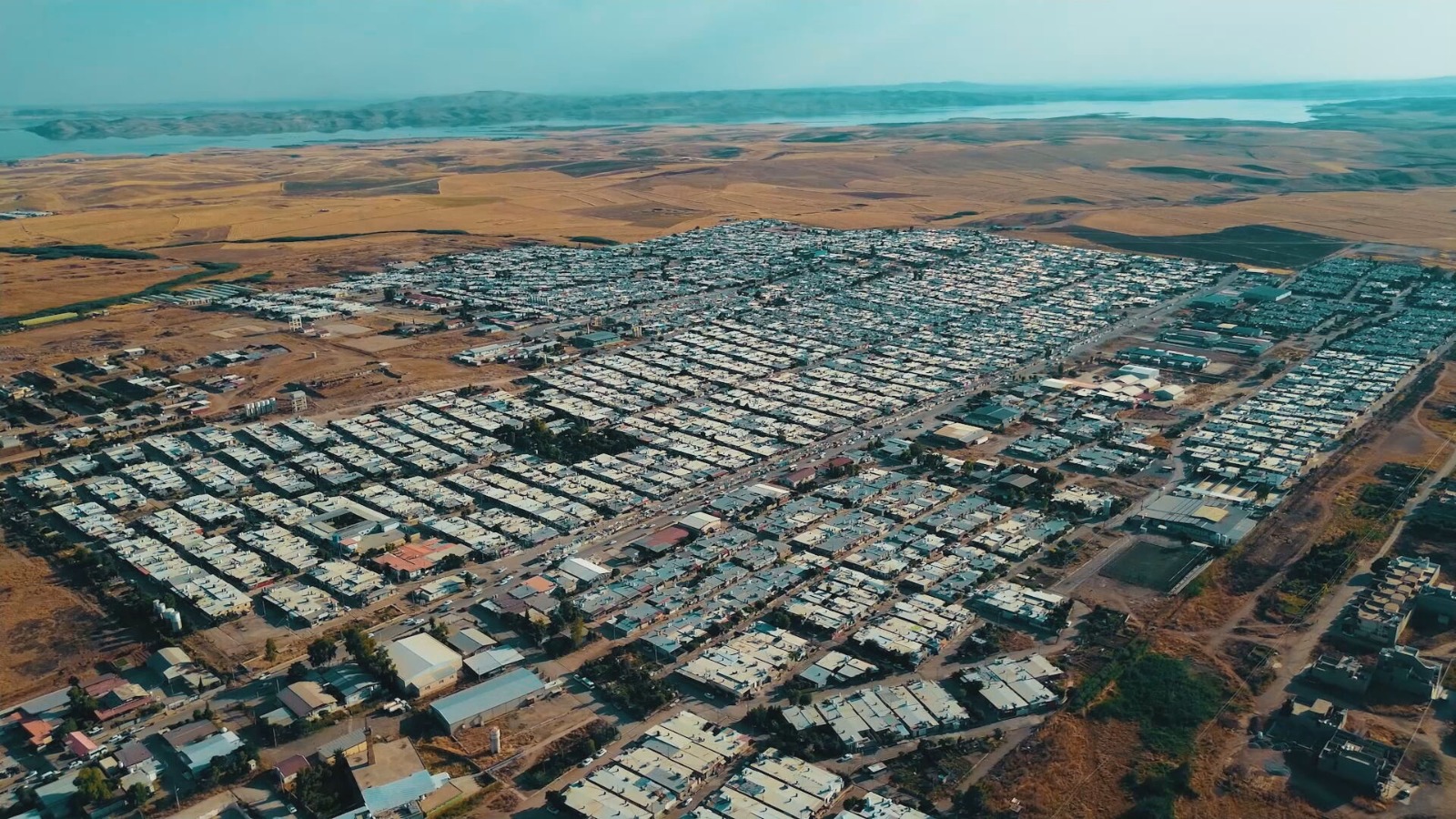
According to detailed reporting by Kurdistan24 correspondent Maher Shingali, Domiz, located south west of Dohuk, is now the largest refugee camp in the Kurdistan Region, housing approximately 7,000 families.
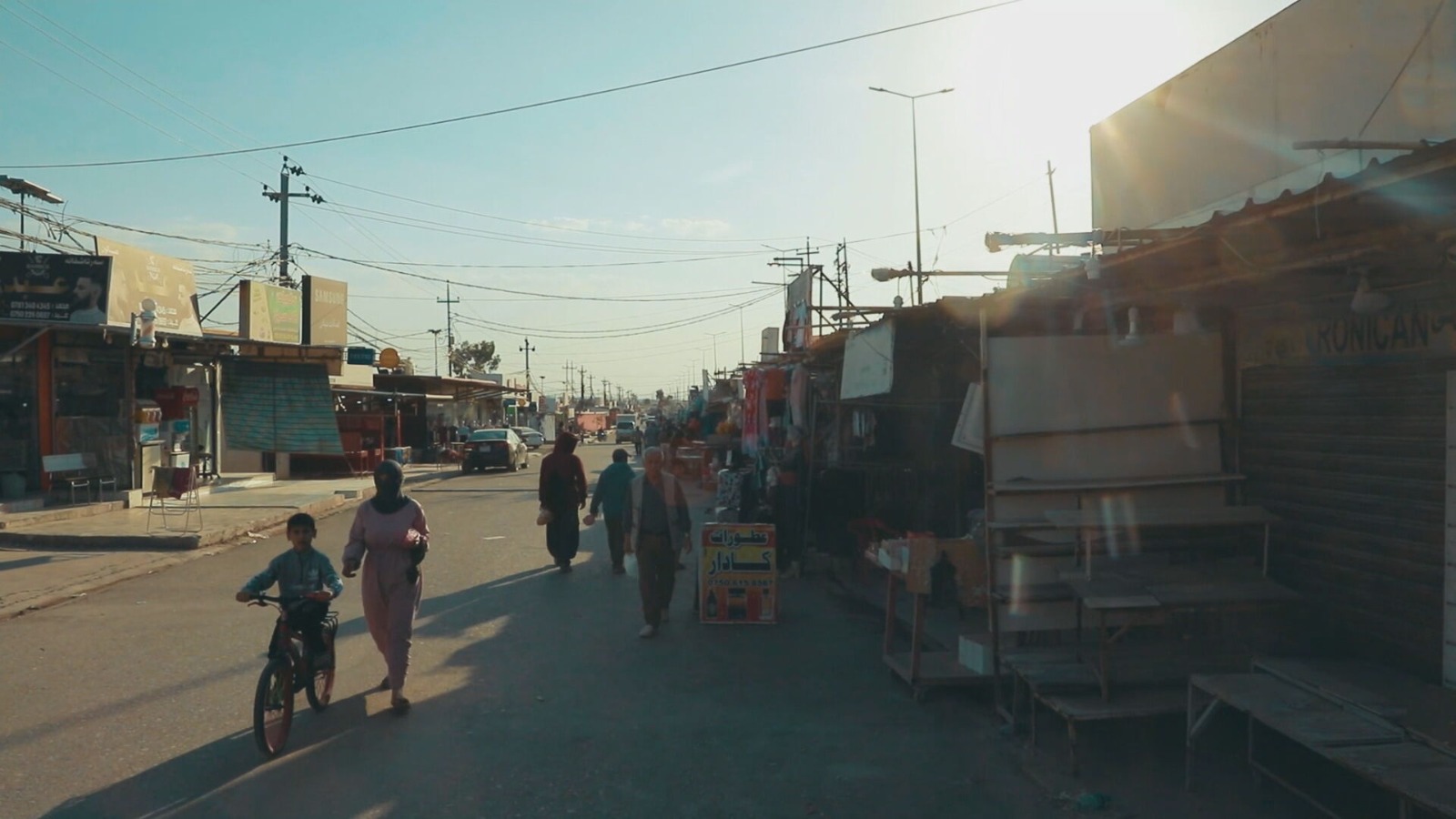
Over a decade and a half, the camp’s temporary fabric has systematically evolved into a dense, semi-permanent urban center where canvas gave way to cinderblock and dirt paths became bustling market streets.
Yet, this physical transformation masks a profound social and emotional crisis.
The evolution of Domiz highlights a stark global dilemma: modern humanitarian emergencies are no longer brief disruptions, but generational realities where the gap between immediate safety and a durable political resolution leaves lives suspended in perpetuity.
The Weight of Declining International Support
This state of suspension has grown increasingly precarious as global attention shifts to newer conflicts, leaving older crises starved of vital resources.
"The scarcity of job opportunities and the lack of stability exacerbate the hardships of daily life and cast a shadow over our children's futures," Rewşen observed on Saturday. She emphasized that the economic realities within the camp have deteriorated significantly, leaving families trapped between inflation and systemic unemployment.
This local desperation mirrors a structural withdrawal of international aid.
As documented in Shingali’s Kurdistan24 report, Salem Abdullah, an official at the Duhok Directorate of Migration and Displacement, confirmed that while the Kurdistan Regional Government continues to support the camp's inhabitants with all available resources, the presence and financial contributions of international relief organizations have plummeted dramatically.
This international retreat has fostered a profound sense of abandonment among residents.
Muhiyiddin Shaban, reflecting on the sharp drop in aid, told Kurdistan24 that those who chant humanitarian slogans have largely vanished, leaving the camp in unbearable misery were it not for local hospitality.
In response to this vacuum, Rewşen issued an urgent appeal to the international community on World Refugee Day, declaring it a necessity that global actors fulfill their humanitarian and developmental responsibilities.
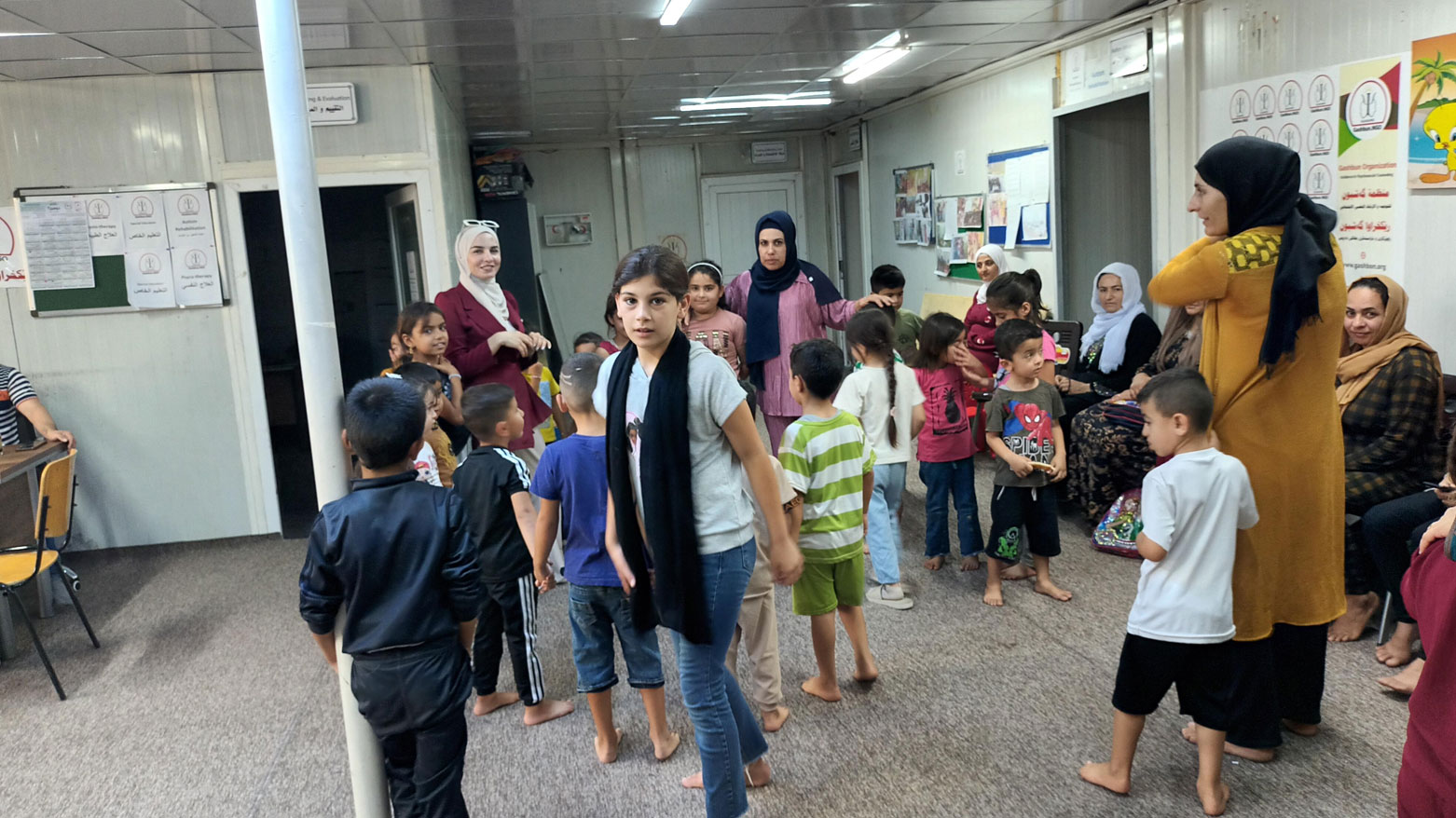
She argued that funding must be maintained for targeted programs focused on protection, education, and economic empowerment, which are vital to upholding refugee dignity and laying a foundation for a more stable future.
Why Return Remains Out of Reach
Despite the economic hardships of camp life, the prospect of returning to Syria remains a distant, deeply complicated calculation of survival.
Rewşen explained that any decision to return must be inherently safe and voluntary, occurring only when there is a total absence of risks to civilian life.
"Security is the most vital human necessity following basic physiological needs," she stated, identifying it as the absolute decisive factor in whether families will choose to repatriate and attempt to rebuild their lives within their original communities.
Shingali’s reporting underscores that current conditions across the border fail to meet this threshold. Shifting frontlines, ruined infrastructure, and an absence of basic municipal services make the homeland an impossible hazard.
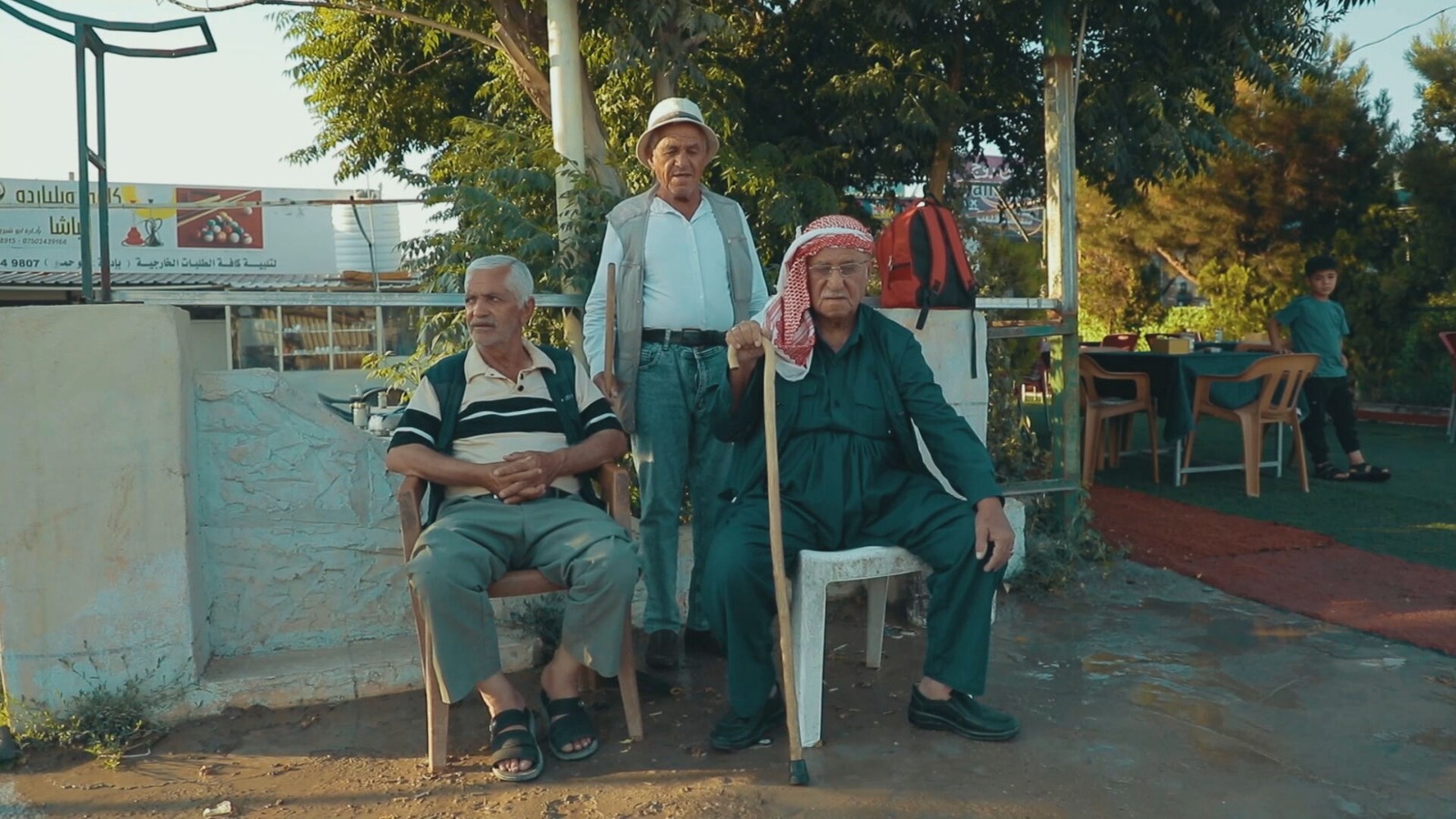
As Adnan Ghalib, another resident, told Kurdistan24, the relative safety and institutional support found within the Kurdistan Region offer a stark contrast to the situation across the border, which remains deeply complex and opaque.
Consequently, families choose to postpone their return indefinitely, preferring the known difficulties of the camp to the perilous unpredictability of Syria.
Kurdish Rights as a Condition for Return
Beyond immediate concerns of physical safety, the question of repatriation is inextricably linked to the long-term political and legal status of the Kurdish people in Syria.
For decades prior to the 2011 uprising, Kurds from Western Kurdistan endured systematic state discrimination, land confiscation, and institutional exclusion under the Ba'athist regime. Rewşen emphasized that this historical trauma heavily influences the current mindset of the displaced population.
Following generations of discriminatory policies and subsequent conflict, she argued that what grants a Kurdish citizen the confidence to return is the presence of constitutional and legal guarantees.
These formal frameworks, Rewşen insisted, must explicitly safeguard Kurdish cultural and linguistic identity, ensuring that policies of exclusion are never repeated.
This perspective is widely shared throughout Domiz.
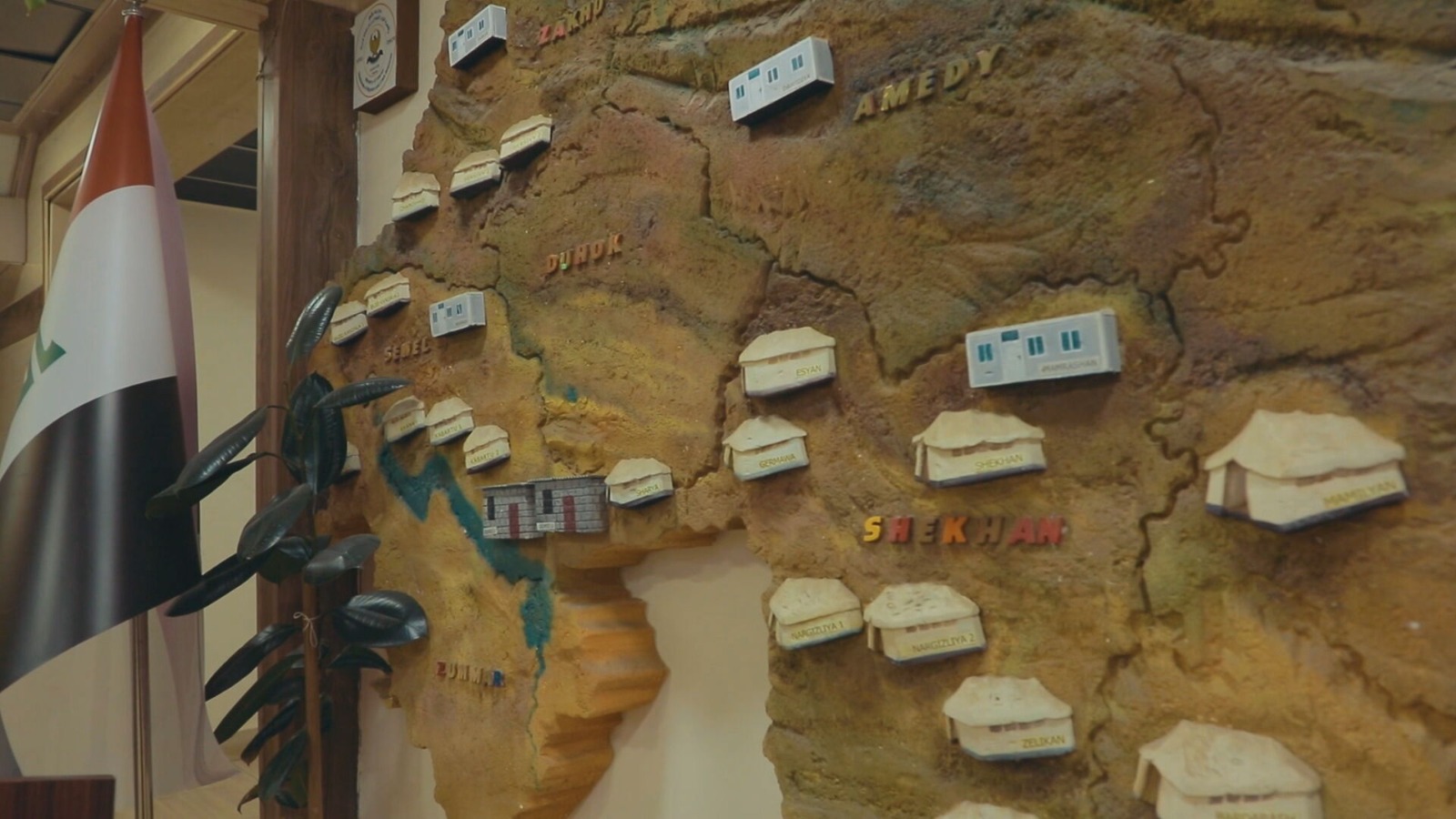
Sherwan Mohammed, a fellow refugee interviewed in Shingali’s report, echoed this sentiment precisely, noting that families remain deeply unsettled by the political climate in Syria and asserting that the formal guarantee of Kurdish rights is a non-negotiable prerequisite before considering a return.
A Generation Between Two Worlds
Perhaps the most painful dimension of this prolonged exile is the psychological and cultural fracture occurring between generations.
A substantial portion of the camp's youth has known no other reality than the perimeter of Domiz, creating an unprecedented disconnect from their ancestral geography.
Rewşen recounted a deeply poignant moment that encapsulates this collective crisis: a young camp child was being interviewed on television and was asked what village he came from. The child fell silent, frozen by a question about a place he had never seen, before turning to his mother and asking, "Mom, which village am I from?"
This brief, heart-wrenching exchange, Rewşen noted, illustrates the pervasive fear that an entire generation of Kurds from Western Kurdistan could entirely lose their connection to their roots and collective memory due to protracted displacement.
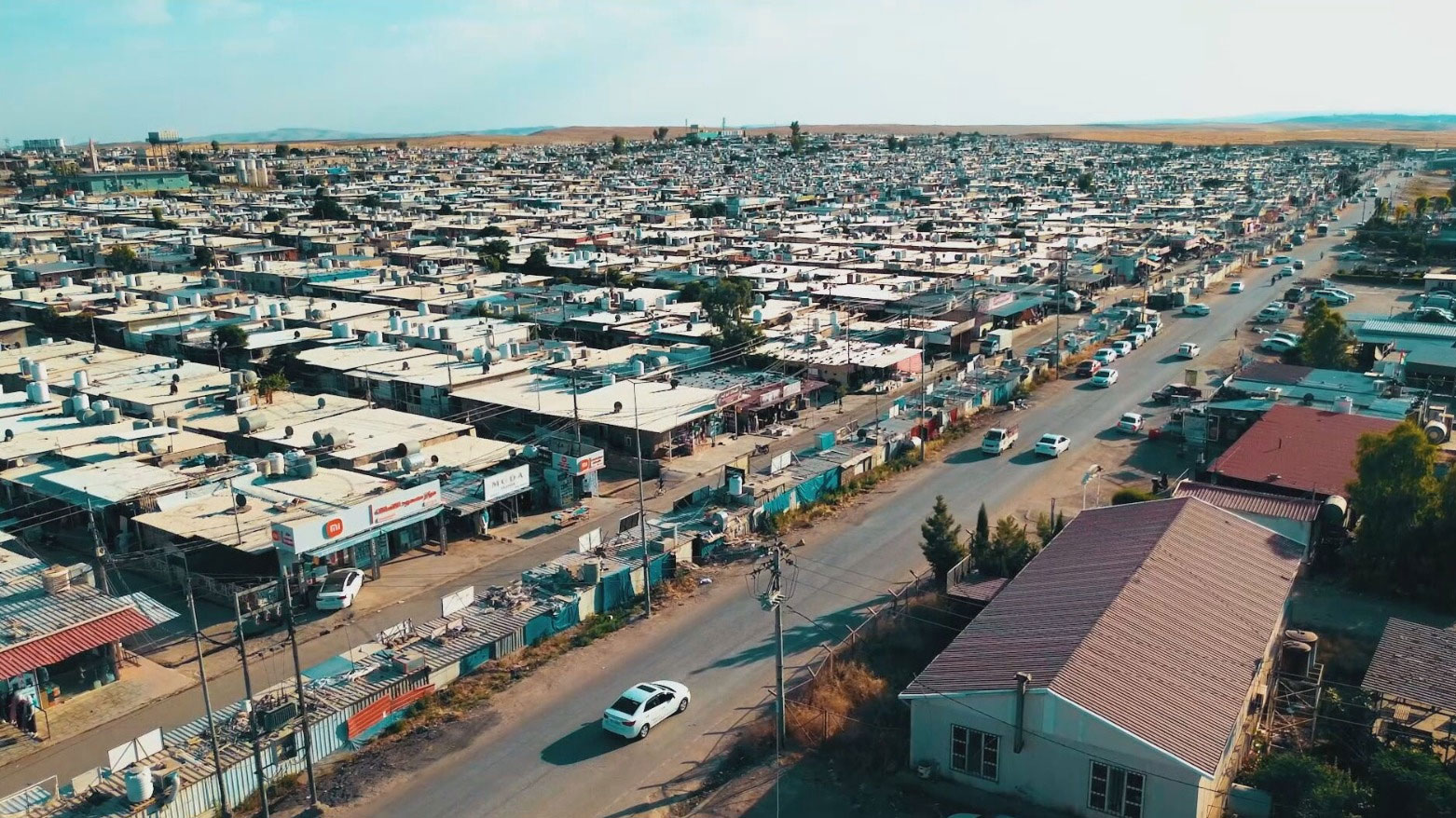
This reality forms the core of many of the camps residents, which describe children growing up in Domiz without ever seeing the homeland their parents left behind.
To combat this cultural erosion, parents carry an immense burden. Rewşen emphasized that it is the collective responsibility of the older generation to vigorously preserve Kurdish culture and language within the camp, actively transmitting their history and fostering a profound connection to their origins.
Memory, Identity, and the Meaning of Home
As the years in exile mount, the very concept of "home" undergoes a profound psychological transformation for those who remember Syria.
It ceases to be a collection of physical coordinates, evolving instead into an internalized landscape.
Reflecting on her origins in the Derik countryside, Rewşen noted that this extended period of displacement has irrevocably altered the consciousness of the refugee community, forging a dimension of their identity that will never return to its former state.
Over the past fifteen years, these memories have transformed, shifting from a tangible sense of physical geography into an identity that now exclusively inhabits the imagination and the soul, serving as an internal sanctuary of belonging.
The Kurdistan Region's Role
In maintaining this delicate balance between memory and survival, the policies of the host government have been instrumental.
Rewşen observed that the role played by the Kurdistan Region transcended mere humanitarian relief, evolving into a vital historical and social mission. By providing a safe haven, local authorities established an environment where refugees could actively preserve their safety, language, and culture.
Rewşen credited the Region with successfully creating a space that shielded both the memory and the identity of the displaced Rojava population.
However, this commitment is being tested to its limit.
The burden carried by local Duhok authorities has magnified immensely as international organizations scale back operations, transforming a shared global responsibility into a localized economic strain.
Women, Mothers, and the Hidden Burdens of Displacement
Within the domestic spheres of Domiz Camp, this socio-economic strain places an extraordinary weight on the shoulders of women.
Rewşen highlighted that mothers and young women inside the camp currently face distinct challenges stemming directly from the effects of long-term displacement.
Beyond the daily struggle to secure resources, these women must cope with intense psychological pressures and mounting social responsibilities.
As families remain stuck in institutional limbo, mothers are tasked with managing the pervasive anxiety regarding an uncertain future, while simultaneously serving as the primary anchors of family cohesion.
They are the ones charged with the domestic labor of cultural transmission, ensuring that despite their displacement, their children retain an understanding of their Rojava roots.
World Refugee Day and an Unfinished Story
As another World Refugee Day draws to a close over Duhok, the ongoing saga of Domiz Camp remains an unfinished testament to both geopolitical failure and human resilience.
Rewşen emphasized that the plight of the Kurdish refugees from Rojava cannot be compartmentalized as an isolated charity case; rather, it must be viewed globally as a deeply interconnected humanitarian, political, and social crisis.
The true tragedy of displacement, he noted, is not merely the forfeiture of a physical location, but the ongoing struggle to preserve fundamental rights, identity, and belonging. The ultimate solution, Rewşen insisted, lies in decisively addressing the root causes of the conflict to guarantee a future built upon security, justice, and human dignity.
As darkness falls across the camp, the concrete block homes begin to glow with internal lamplight, and the sounds of evening meals drift into the alleys.
The shelters may be permanent fixtures of the Duhok landscape, but for the thousands who reside within them, the ultimate aspiration remains unchanged, a deep, unyielding hope that one day, conditions will allow for a safe, dignified, and final journey home.
|
Summary Domiz Camp has transformed from a temporary refuge into a permanent city for Kurdish families from Western Kurdistan. As international support vanishes and economic hardships mount, community activist Rewşen Mohemed Bile highlights the struggle to preserve identity and the enduring dream of a safe, dignified return. |
Mahir Shingali, Kurdistan24 correpondent in Dohuk, contributed to this report.