KRG Unveils Digital Fuel App as Officials Move to Resolve Supply Issues
The Kurdistan Regional Government says a new digital fuel distribution platform, coordinated supply measures, and continued cooperation with Baghdad are expected to stabilize fuel availability across the Region.
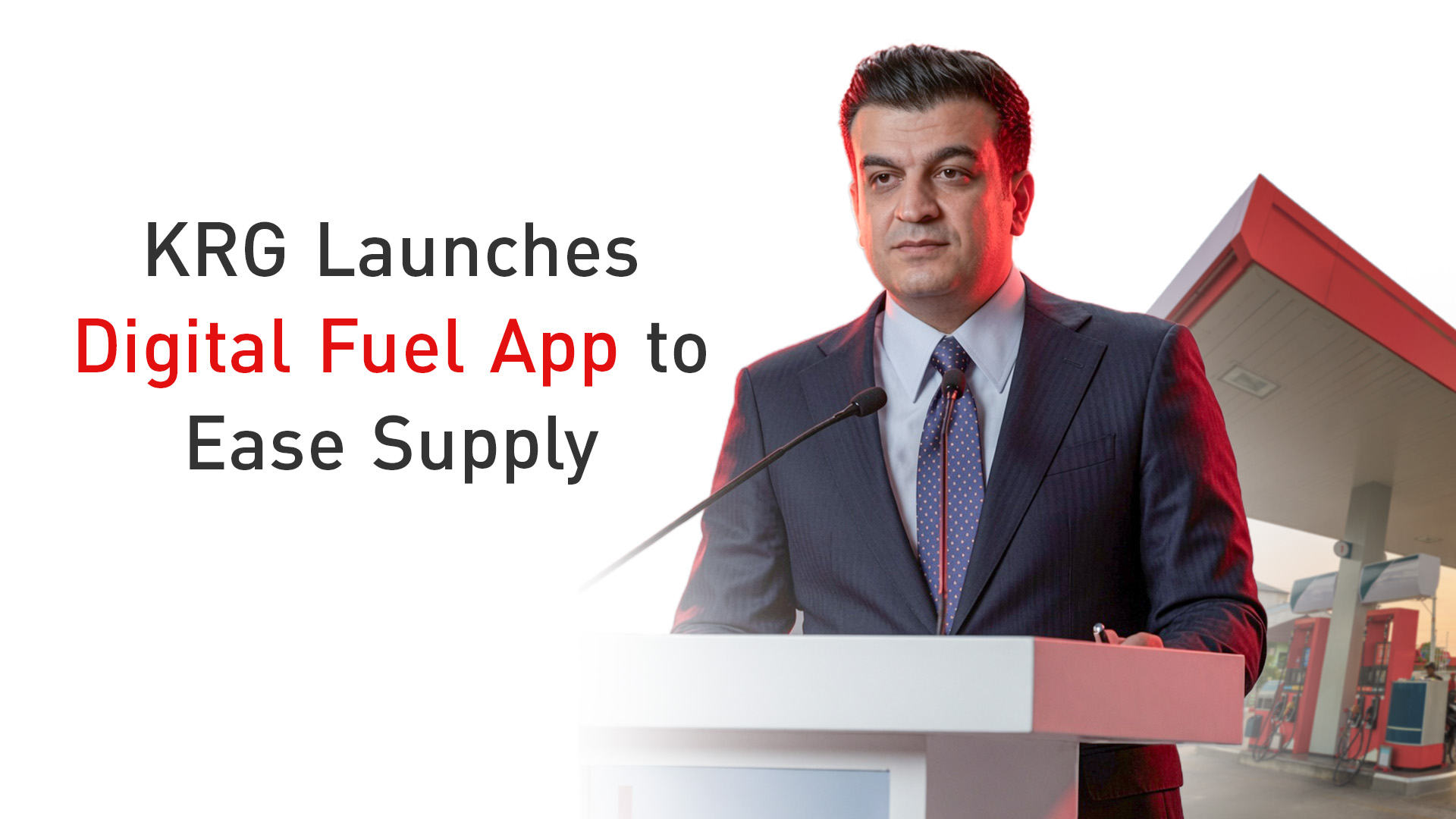
ERBIL (Kurdistan24) - The Kurdistan Regional Government (KRG) says it expects recent disruptions to gasoline supplies to ease within days as officials roll out a package of regulatory measures centered on a new digital platform designed to improve fuel distribution, strengthen oversight, and ensure subsidized gasoline reaches consumers more efficiently.
The initiative emerged from a high-level meeting chaired under the direction of the Office of Prime Minister Masrour Barzani, bringing together senior government officials, representatives of the Ministry of Natural Resources, provincial authorities, and fuel station operators to examine the causes of recent supply pressures and agree on practical solutions.
According to KRG Spokesperson Peshawa Hawramani, in his remarks to Kurdistan24's news anchor Kovan Ezzat on Sunday, the discussions focused not only on addressing immediate shortages but also on creating a more resilient system capable of managing subsidized fuel over the longer term.
Rather than relying solely on administrative controls, the government intends to use digital technology to improve transparency and accountability throughout the distribution process.
A central element of that strategy is the development of an electronic application that will regulate access to subsidized gasoline before later expanding to include household cooking gas. Hawramani said the platform is intended to ensure that citizens receive their designated allocations fairly while reducing opportunities for abuse.
Officials say the system is designed to prevent repeated purchases of subsidized fuel by the same individuals for resale on the black market or for stockpiling that distorts normal market conditions.
By tracking distribution electronically, the government aims to improve oversight, discourage monopolistic practices, and direct subsidies toward their intended beneficiaries.
The government also stressed that its immediate priority remains maintaining reliable supplies of Normal gasoline, the grade used by the majority of motorists across the Kurdistan Region. Hawramani said discussions about higher-grade fuels would come only after stable supplies of Normal gasoline have been secured.
The meeting also offered fuel station owners an opportunity to explain operational challenges affecting supply.
According to Hawramani, participants cited the rising cost and limited availability of fuel additives used in producing premium gasoline, including MTBE and ETBE.
Officials said regional geopolitical conditions have made those materials more difficult and more expensive to import, reducing production of higher-octane fuels.
Despite those pressures, the spokesperson argued that supply conditions should be viewed in context.
He noted that fuel deliveries into Erbil have increased above their usual daily level, while warning that public concern has at times outpaced actual supply conditions.
He urged residents to avoid unnecessary purchases or hoarding, saying such behavior can place additional strain on distribution networks.
Hawramani also said the KRG continues to coordinate closely with Baghdad to secure uninterrupted deliveries under existing fuel supply arrangements.
Prime Minister Masrour Barzani, he added, is personally monitoring developments and has instructed relevant institutions to resolve the situation as quickly as possible in order to reduce pressure on households.
The government's immediate response comes against a broader debate over fuel availability in the Kurdistan Region.
Earlier, Daner Abdulghafar, spokesperson for the Kurdistan Democratic Party bloc in the Iraqi Parliament, argued that the current agreement between Erbil and Baghdad allocating 50,000 barrels of crude oil per day for domestic consumption does not adequately meet the Region's needs.
According to Abdulghafar, officials have formally requested that Baghdad increase the allocation, saying current volumes are insufficient for local refineries.
He said the Kurdistan Region's daily gasoline demand is approximately seven million liters, highlighting the gap between existing crude allocations and domestic consumption requirements.
That assessment provides additional context for the government's efforts to improve fuel management while seeking additional supplies through federal coordination.
Taken together, the KRG's latest measures reflect an approach that combines short-term market stabilization with longer-term administrative reform.
By pairing continued cooperation with Baghdad and consultations with industry stakeholders with a digital distribution system intended to improve fairness and accountability, the government aims to strengthen public confidence while establishing a more transparent framework for managing subsidized fuel in the future.
|
Summary The KRG says gasoline supply disruptions will be resolved soon through a new digital distribution platform, coordination with Baghdad, and consultations with fuel station owners. Officials say the reforms aim to improve transparency, curb abuse of subsidized fuel, and stabilize supplies across the Kurdistan Region. |
The report was updated on Sunday, Jul. 26, 2026, at 01:03pm.