Iran Rejects Trump's Claim It Sought to Avert New US Strikes
Tehran insists military remains on high alert as dispute over Hormuz Strait underscores continued tensions
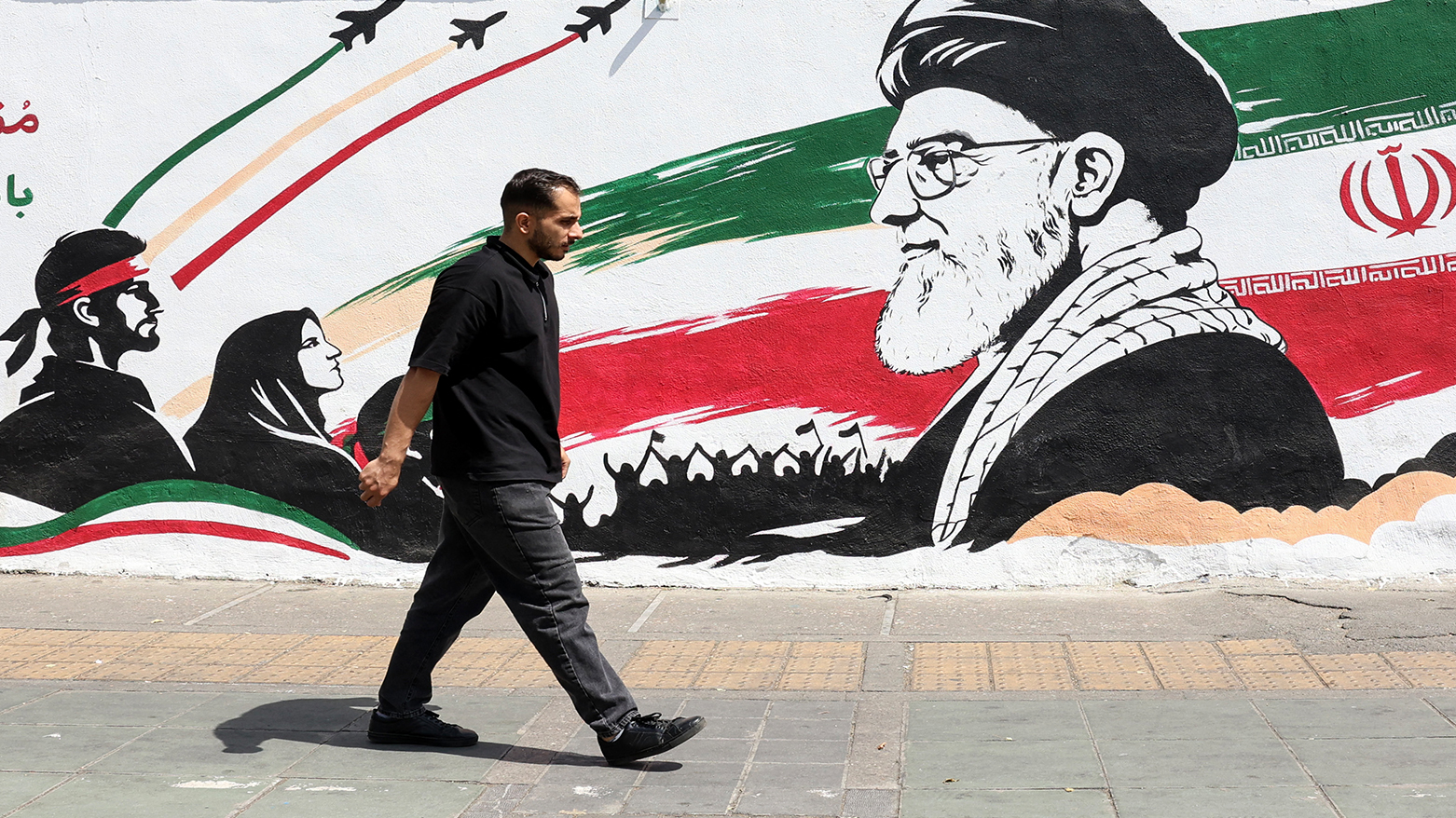
ERBIL (Kurdistan24) — Iran on Sunday rejected US President Donald Trump's assertion that Tehran had asked Washington to refrain from launching new military strikes, calling the claim "nothing but a new lie" as tensions remain high following months of conflict.
Iran's semi-official Mehr news agency, citing military officials, dismissed Trump's remarks and said the country's armed forces remain "on high alert and ready for any eventuality."
The denial came a day after Trump said the United States was prepared to launch fresh attacks against Iran but had decided to postpone military action after receiving requests from Tehran and several Middle Eastern countries to give diplomacy another chance.
In a post on his Truth Social platform, Trump said the United States was "ready to go against the Islamic Republic" but agreed to suspend the planned strikes, provided a deal could be reached quickly.
He said any agreement would require the "Immediate, Complete and Total OPENING OF THE HORMUZ STRAIT, and an end to Iran's nuclear threat."
Iranian officials, however, rejected the suggestion that they had sought to delay US military action.
Separately on Sunday, Iran's Fars news agency, citing a source close to the country's negotiating team, said the Strait of Hormuz would remain closed as long as the United States continued what it described as hostile actions against Iran.
"As long as the United States maintains its hostile actions, the Strait of Hormuz will remain closed," the source was quoted as saying.
The exchange highlights the sharp divisions that continue to separate Washington and Tehran despite Trump's indication that he remains open to a negotiated settlement.
The United States and Israel launched military operations against Iran on Feb. 28, triggering a conflict that has evolved into months of reciprocal missile, drone, and air strikes. Although diplomatic efforts have periodically raised hopes for a ceasefire, previous agreements have collapsed, leading to renewed hostilities.
The Strait of Hormuz has emerged as one of the central flashpoints in the conflict. Since the outbreak of the war, Iran has maintained a blockade of the strategic waterway, requiring commercial vessels to obtain permission and pay transit fees before passage.
The restrictions have disrupted global shipping and contributed to heightened volatility in international energy markets, given that the narrow waterway carries a significant share of the world's seaborne oil exports.
Trump has repeatedly insisted that reopening the Strait of Hormuz and curbing Iran's nuclear program are essential conditions for any future agreement, while Tehran has maintained that pressure and military threats will not force it to alter its position.