Oil Prices Drop Nearly 3% After Trump Criticizes Energy Companies, Signals Iran Talks
Ahead of the opening bell, futures for the Dow Jones Industrial Average rose 1.2%, S&P 500 futures gained 0.3%, and Nasdaq futures climbed 1.1%.
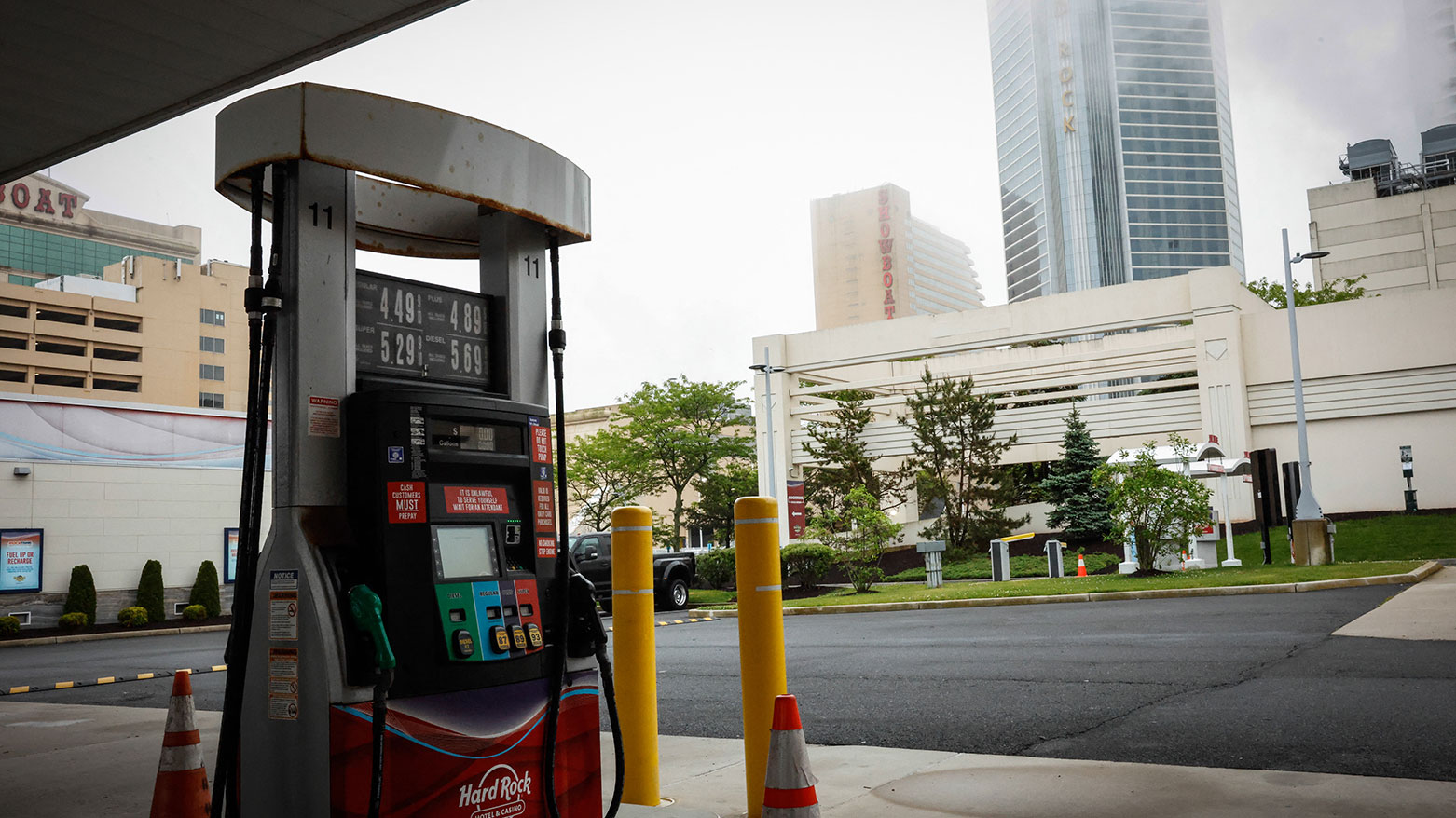
ERBIL (Kurdistan24) – Oil prices fell sharply and Wall Street futures pointed higher on Tuesday after U.S. President Donald Trump criticized major oil companies for making what he described as excessive profits during the conflict with Iran, while U.S. officials suggested negotiations with Tehran could soon ease tensions.
Ahead of the opening bell, futures for the Dow Jones Industrial Average rose 1.2%, S&P 500 futures gained 0.3%, and Nasdaq futures climbed 1.1%.
Benchmark U.S. crude dropped $2.46, or nearly 3%, to $77.88 per barrel, while Brent crude, the international benchmark, fell $1.87 to $81.90 per barrel.
Speaking on Monday, Trump accused major oil companies of profiting excessively from higher energy prices.
“They made too much money, too much money. They ought to give some of that back to the public, and they better cut the retail price,” Trump said.
Trump specifically said he was unhappy with the profits reported by Chevron and Exxon Mobil, despite the companies benefiting from higher oil prices that followed the U.S.-Iran conflict and the effective closure of the Strait of Hormuz to oil and natural gas tankers.
Shares of Exxon Mobil, Chevron, and ConocoPhillips each fell around 1% in premarket trading.
Oil prices were also pressured by comments from U.S. Treasury Secretary Scott Bessent, who told CNBC on Tuesday that Washington was engaged in talks with Iran.
“We are in talks with the Iranians,” Bessent said. “There is a chance we may have a deal today or tomorrow to open the Strait and move towards a more normalized position in this conflict.”
A potential agreement to reopen the Strait of Hormuz, a vital route for global energy exports, would likely ease supply concerns that have supported elevated oil prices in recent months.
Foreign oil companies have also reported substantial increases in profits amid the surge in global energy prices.