Iraq Exports Over 30 Million Barrels of Oil Through Hormuz in One Month
The figures broadly align with comments made on Monday by Ali Nizar, head of Iraq's State Organization for Marketing of Oil (SOMO), who said in a television interview that Iraq exported between 35.5 million and 37 million barrels via the Strait of Hormuz in July.
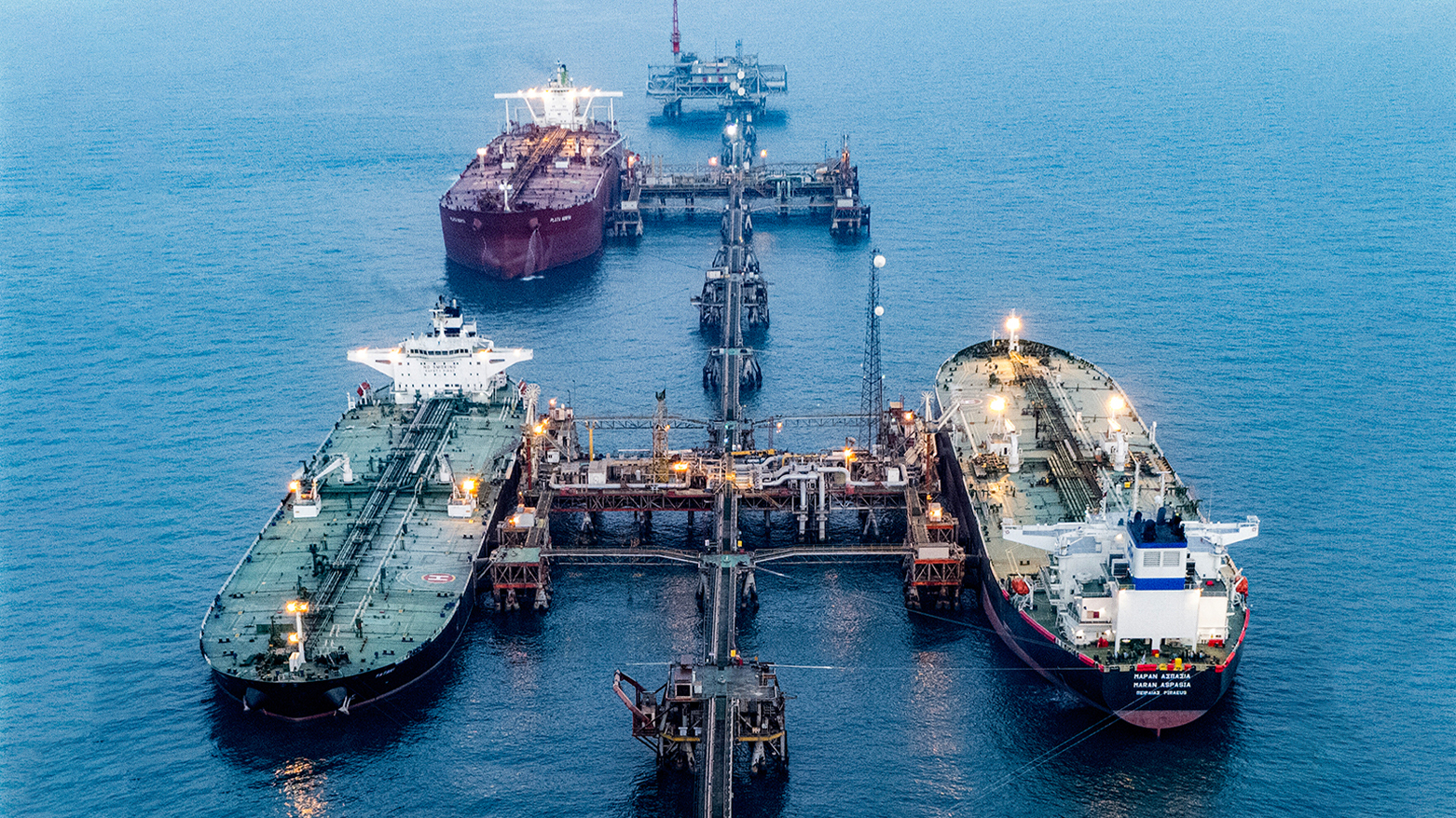
ERBIL (Kurdistan24) – Iraq exported more than 30 million barrels of crude oil through the strategic Strait of Hormuz between July 4 and August 4, according to maritime tracking data released by Kpler on Tuesday, marking a partial recovery in exports despite ongoing disruptions caused by the recent Middle East conflict.
Kpler data showed that around 30 million barrels of Iraqi crude passed through the waterway during the one-month period.
The figures broadly align with comments made on Monday by Ali Nizar, head of Iraq's State Organization for Marketing of Oil (SOMO), who said in a television interview that Iraq exported between 35.5 million and 37 million barrels via the Strait of Hormuz in July.
Nizar added that Iraq also exported another seven million barrels through the Iraq-Turkey pipeline to the Turkish Mediterranean port of Ceyhan.
Oil Ministry spokesperson Salim al-Rikabi told the Iraqi News Agency (INA) on Tuesday that some tankers had transited the Strait of Hormuz after loading Iraqi crude, noting that the ministry "is not responsible for their routes or the necessary approvals."
Before the Middle East war severely disrupted shipping through the Strait of Hormuz, Iraq produced around four million barrels of oil per day and exported an average of 105 million barrels per month, with most shipments departing from the southern Basra oil terminal through the strategic waterway.
According to SOMO data, Iraq exported just over 32 million barrels of crude oil in both May and June through multiple routes, including more than 20 million barrels from its southern export terminals.
The conflict forced Iraq, a founding member of OPEC, to halt production at most of its oil fields after storage reservoirs reached capacity as exports slowed.
To maintain exports during the disruption, Iraq relied on alternative routes, including tanker trucks transporting crude through Syria and the Iraq-Turkey pipeline to Ceyhan.
Crude oil exports account for roughly 90% of Iraq's government revenue. Before the conflict, oil exports generated up to $8 billion in monthly revenue, but Oil Minister Bassem Mohammed Khudair said last month that earnings had fallen to just over $1.5 billion per month due to reduced exports.