Khamenei Adviser Says Pakistan Has Lost Its Neutrality
Hossein Shariatmadari, an adviser to Iran's Supreme Leader and editor-in-chief of hard-line Iranian newspaper Kayhan, criticized Pakistan's position following its defense pact with Saudi Arabia and Türkiye, as Tehran's confrontation with Washington continues.
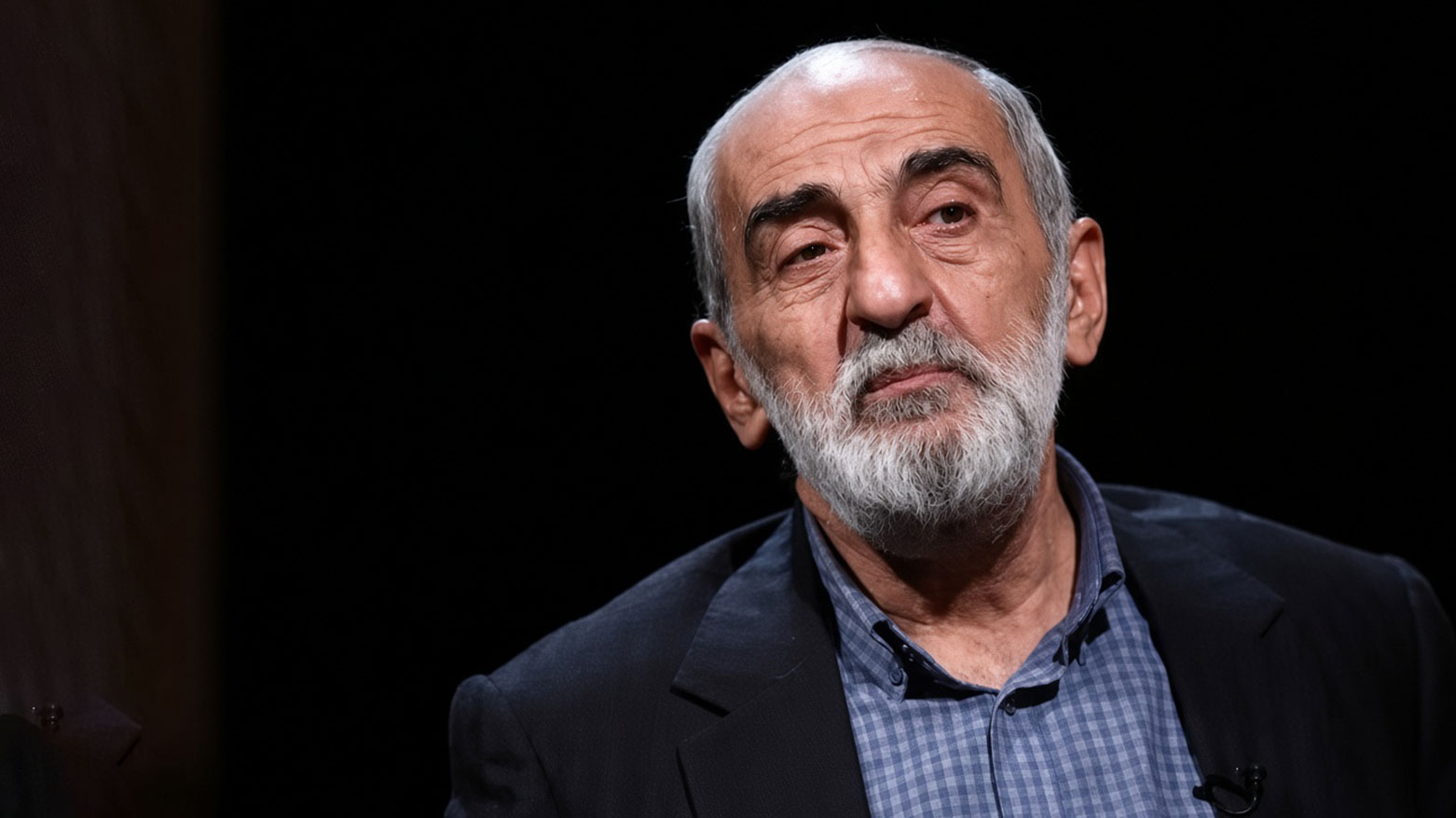
ERBIL (Kurdistan24) - Hossein Shariatmadari, an adviser to Iran's Supreme Leader and editor-in-chief of hard-line Iranian newspaper Kayhan, said Pakistan had lost its neutrality by joining a new defense pact with Saudi Arabia and Türkiye and should abandon its role as a mediator between Tehran and Washington.
Shariatmadari's remarks represent his own political position and were not presented in the supplied material as a formal statement by the Iranian government.
The Kayhan editor-in-chief criticized Pakistani Prime Minister Shehbaz Sharif's relationship with US President Donald Trump and argued that Islamabad's participation in the new defense arrangement serves the interests of Washington and Israel.
On that basis, he questioned Pakistan's ability to continue acting as an intermediary between Iran and the United States.
He also criticized Pakistan, Türkiye and Saudi Arabia over what he characterized as insufficient opposition to Israeli military operations in Gaza, alleging that their positions did not amount to meaningful resistance to those operations.
Defense pact reshapes regional alignments
The criticism followed the signing on Friday of the "Mecca Joint Defense Pact" by Saudi Arabia, Türkiye and Pakistan in Mecca.
According to the supplied report, the agreement establishes that an attack against one of the three signatories is to be treated as an attack against all three.
The pact marks a new development in security ties among the three countries at a time when Iran is confronting the United States and Israel.
For Tehran's hard-line political establishment, Pakistan's participation has particular significance because Islamabad had previously sought to play a mediating role between Iran and Washington.
Shariatmadari argued that Pakistan's new security alignment is incompatible with that role, effectively calling on Islamabad to give up its mediation efforts.
His comments highlight a growing dispute in Tehran over whether Pakistan can maintain a diplomatic position separate from its expanding relationships with other regional and international powers. However, the remarks do not establish that Pakistan has formally ended its mediation efforts.
Hormuz becomes another point of pressure
Separately, IRGC spokesperson Hossein Mohebbi said Saturday that the reopening of the Strait of Hormuz would depend on the United States accepting conditions set by Iran.

Mohebbi said the issue was separate from negotiations between Iran and Oman, rejecting any suggestion that those talks alone would determine the status of the strategic waterway. He said Washington would need to accept Tehran's conditions before maritime traffic could resume.
"For Iran, the Strait of Hormuz is no longer merely an economic maritime route," Mohebbi said, describing it as a source of Iranian "power and leverage."
The IRGC spokesperson's comments add another point of pressure to Iran's confrontation with Washington, but do not by themselves establish that diplomatic negotiations have failed.
Iran's diplomatic space narrows
Taken together, the statements reflect competing pressures surrounding Iran's regional diplomacy. Shariatmadari's criticism targets Pakistan's emerging security relationships and its previous mediation role, while Mohebbi's remarks underscore Tehran's position over the Strait of Hormuz.
Neither statement, however, establishes a definitive change in Pakistan's diplomatic role or the outcome of negotiations involving Iran, the United States and Oman.