UAE Condemns Reported Iranian Attack on ADNOC Carrier in Hormuz
Abu Dhabi condemned the reported missile attack on an ADNOC-linked carrier as Iran and Oman discuss arrangements for the Strait’s future.
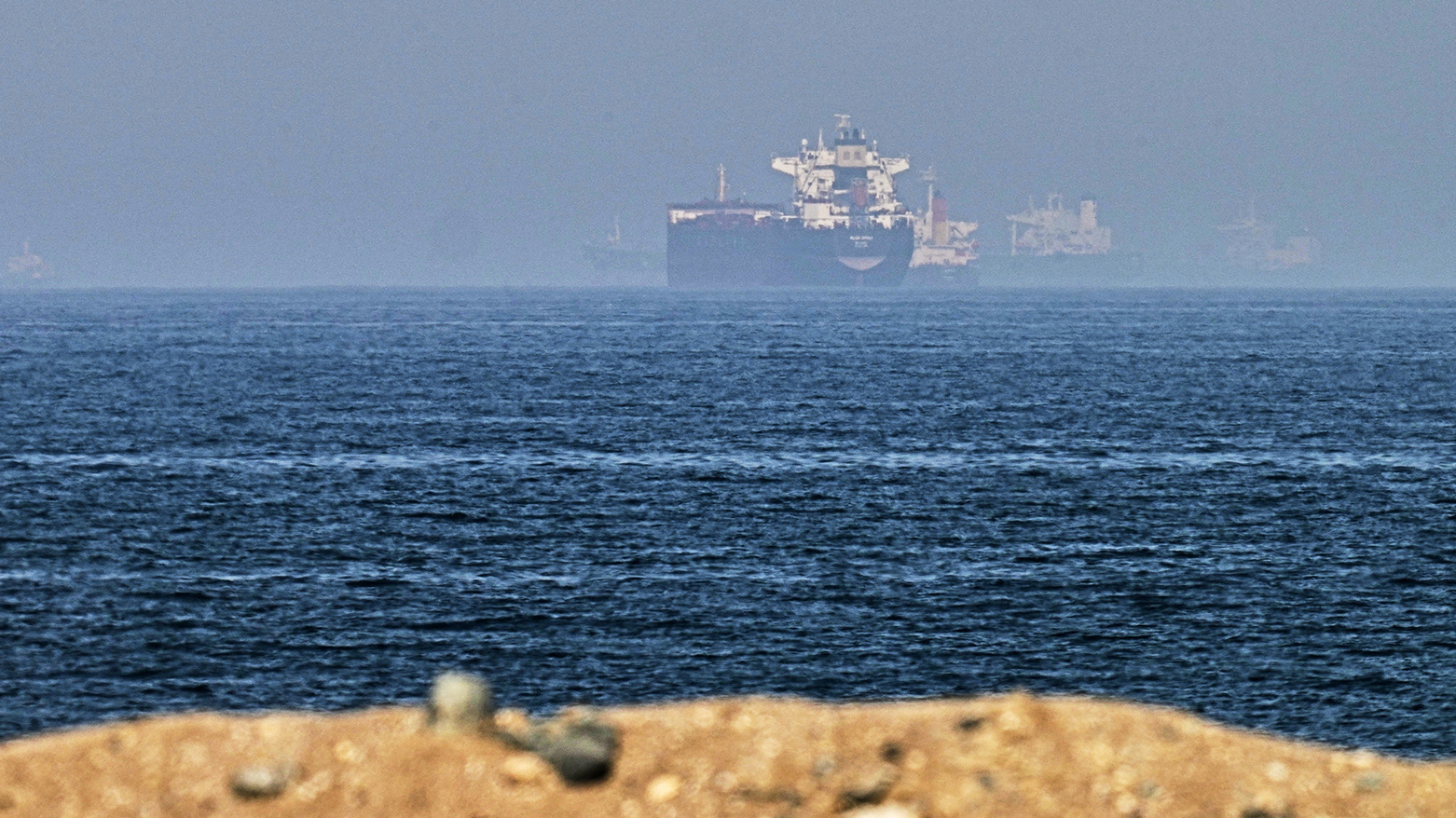
ERBIL (Kurdistan24) - The United Arab Emirates on Saturday condemned what it described as an Iranian missile attack on a commercial carrier affiliated with the Abu Dhabi National Oil Company (ADNOC) while the vessel was transiting the Strait of Hormuz, saying no injuries were reported.
The UAE Ministry of Foreign Affairs (MoFA) said the incident violated UN Security Council Resolution 2817, which emphasizes freedom of navigation and rejects attacks on commercial vessels and obstruction of international maritime routes.
The ministry's characterization of the incident as an Iranian attack was presented in its official statement and was not independently established in the supplied material.
UAE condemns attack on ADNOC carrier
In its Aug. 8 statement, the UAE Foreign Ministry said targeting commercial shipping and using the Strait of Hormuz as economic leverage posed a threat to regional stability, international trade and global energy security.
Abu Dhabi called on Iran to halt what it described as "unprovoked attacks," commit to an immediate cessation of hostilities and fully and unconditionally reopen the Strait.
The UAE said reopening the waterway was necessary to protect regional security and support the stability of global trade and the international economy.
The statement came after ADNOC said, according to Agence France-Presse (AFP), that 15 of its vessels had been attacked in the Strait since the start of the war, including three during the week covered by the report.
AFP also reported that the Strait carried about one-fifth of global oil and liquefied natural gas shipments before the latest regional war, underscoring its importance to international energy trade.
UAE Strongly Condemns Targeting of ADNOC Carrier While Transiting Strait of Hormuz https://t.co/hoOAZ8D0RT pic.twitter.com/UQ6BqzC2Ea
— MoFA وزارة الخارجية (@mofauae) August 8, 2026
Abu Dhabi demands Hormuz reopening
The UAE's condemnation adds to mounting disagreement over the future of the strategic waterway, with Tehran and Washington taking opposing positions over access and control.
AFP reported that Iran has imposed an effective blockade of the Strait and is seeking to charge users for passage, a position strongly opposed by the United States.
The UAE, meanwhile, framed the issue primarily as one of freedom of navigation and the protection of commercial shipping, invoking the UN Security Council resolution in support of its position.
The ministry warned that interference with international maritime routes could have consequences extending beyond the immediate region by affecting trade and energy security.
Iran-Oman talks near final stage
The UAE statement came as Iran and Oman continued discussions on arrangements concerning the Strait.
Iranian Foreign Minister Abbas Araghchi said Saturday that talks with Oman were approaching their final stages, but cautioned that progress in negotiations did not necessarily mean the waterway would reopen.
"The reopening of the Strait of Hormuz is subject to other conditions," Araghchi said, according to AFP.
He also linked reopening to what Iran considers compensation for a violation of a memorandum of understanding with the United States.
Iran's Islamic Revolutionary Guard Corps separately said the Strait's reopening followed its own mechanism and was unrelated to the Iran-Oman negotiations.
"The opening of the Strait of Hormuz has its own mechanism," the Revolutionary Guards said, according to AFP.
The competing positions leave the future of the waterway unresolved as diplomatic discussions continue, with the UAE demanding its unconditional reopening and Tehran maintaining that additional conditions must be met.