Iran says Strait of Hormuz will remain closed until US changes its conduct
Tehran demands an end to threats and military operations against Iran and its allies, lifting of maritime sanctions, withdrawal of US forces and compensation for wartime damage
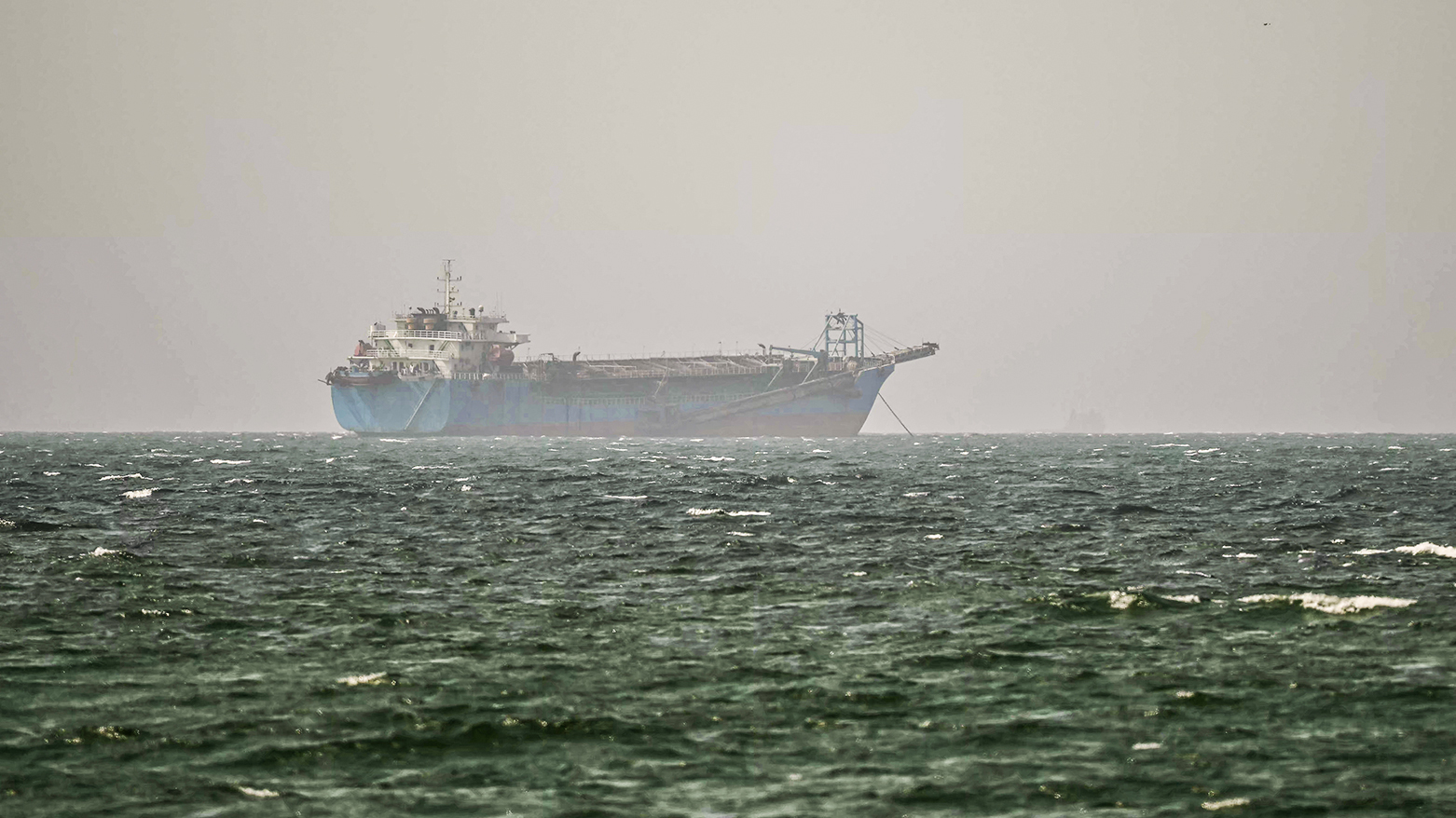
ERBIL (Kurdistan24) — Iran has warned on Saturday that the Strait of Hormuz will not be reopened to maritime traffic unless the United States changes its conduct toward Tehran and meets a broad set of demands, including an end to military action, the lifting of sanctions and the withdrawal of US forces from around Iran.
Mohammad Baqer Zolqadr, secretary of Iran’s Supreme National Security Council, said the waterway would remain closed until Washington “corrects its behavior,” defining that as an end to threats against Iran and what he described as insults to the Iranian people’s sacred values.
“The war must end, and aggression against Iran and its allies in Lebanon, Palestine, Yemen and Iraq must permanently stop,” Zolqadr said.
He also called for the lifting of the maritime blockade against Iran and the withdrawal of all military forces deployed around the country.
Zolqadr further demanded full compensation for what he described as the damage caused by two “aggressive wars” imposed on Iran, saying compensation must be provided without any reduction.
He said the release of frozen Iranian assets and what he described as Iranian assets that had been seized must also be carried out unconditionally.
“These are the demands of the Iranian people,” Zolqadr said, claiming that Iranians had remained in the streets and “on the battlefield” for 160 consecutive days.
He added that the Supreme National Security Council would not retreat from its position, “whether in war or negotiations.”
The remarks came as Iran’s Revolutionary Guards separately said that reopening the Strait of Hormuz was subject to a separate mechanism and was not linked to negotiations between Iran and Oman.
Hossein Mohebi, a spokesperson for the Islamic Revolutionary Guard Corps, said Saturday that the reopening of the strategic waterway to commercial maritime traffic depended on conditions set by Tehran, which Washington must accept and comply with.
“Otherwise, the strait will remain closed,” Mohebi told Iranian journalists.
He said the Strait of Hormuz was no longer viewed by Iran merely as an economic maritime route, but also as a source of geopolitical power that Tehran could use to its advantage.
Mohebi also rejected any connection between Iran-Oman talks and the reopening or normalization of maritime traffic through Hormuz. He said the United States must accept Iran’s conditions and refrain from interfering in negotiations between Tehran and Muscat.
According to Mohebi, once Washington accepts Iran’s conditions, the strait would be reopened.
A source close to Iran’s negotiating team previously said the reopening of the waterway was conditional on the United States fulfilling commitments outlined in a memorandum of understanding signed between the sides.
The source said Iranian officials were not persuaded by what they described as US announcements about lifting some sanctions on Tehran, arguing that the removal of sanctions on several companies and an Iraqi entity did not amount to meaningful sanctions relief for Iran.
The Strait of Hormuz, through which a significant share of the world’s seaborne oil trade passes, has become a central point of leverage in the confrontation between Iran and the United States.
Tehran’s continued closure has raised concerns over the impact on global energy markets and international shipping.