Iran Says Strait of Hormuz Will Stay Closed Until US Meets Demands
The IRGC said Sunday that Iran would maintain the closure “until the enemy accepts all our conditions,” describing the strait as “a theatre of war for us and not just a waterway.”
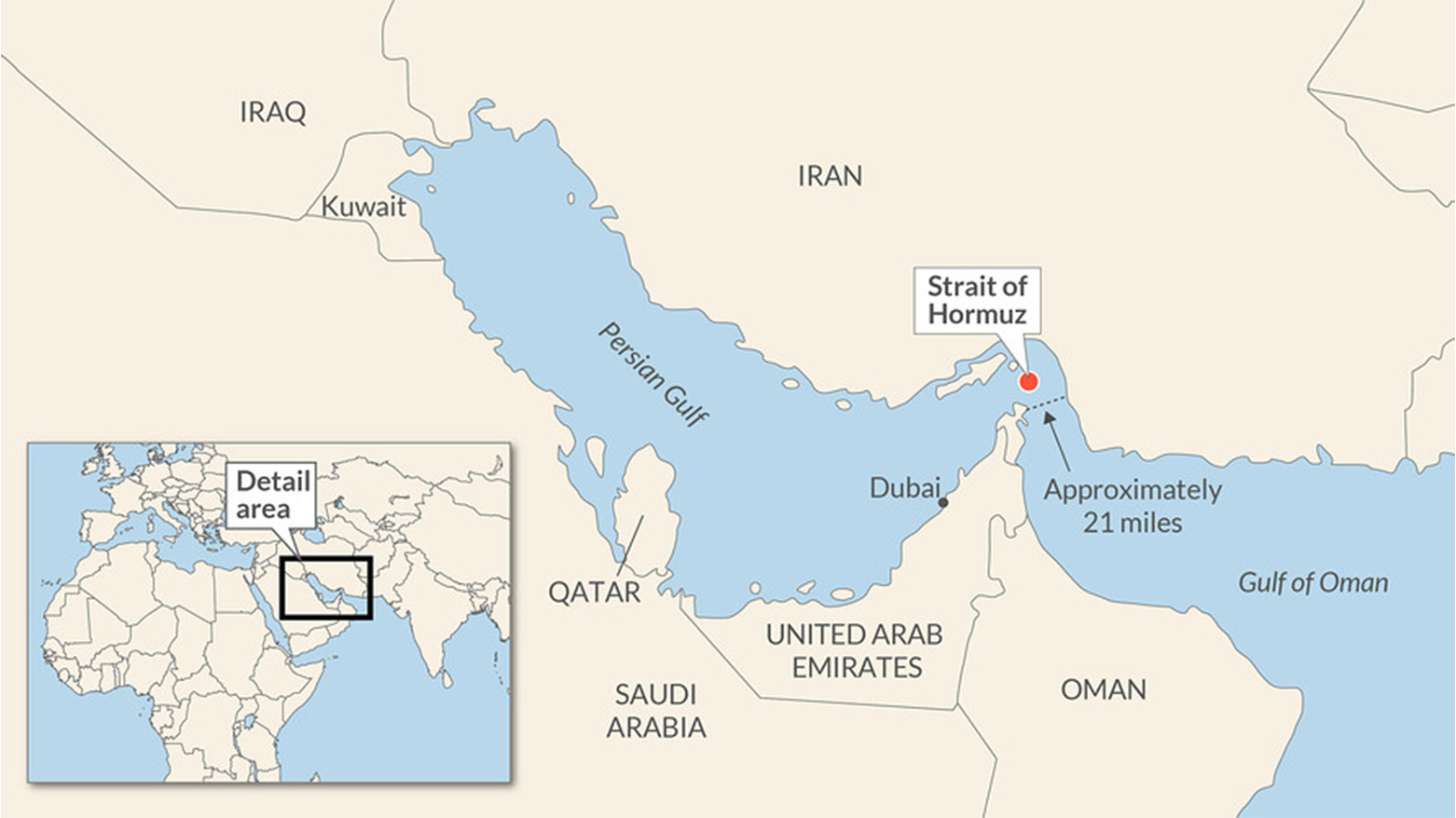
ERBIL (Kurdistan24) – Iran’s Islamic Revolutionary Guard Corps (IRGC) said Sunday that the Strait of Hormuz would remain closed until the United States meets a list of Iranian demands, including compensation for war damage.
Iran has effectively blockaded the strategic waterway since the United States and Israel attacked Iran in late February. Tehran has sought to impose tolls on vessels using the strait and has attacked ships it accuses of trying to bypass its preferred route.
The attacks have severely disrupted traffic through the waterway, which was freely navigable before the war, and contributed to the collapse of an April ceasefire. Mediators have urged the parties to return to the terms of a June memorandum outlining a path toward peace talks.
Iran’s security chief, Mohammad Bagher Zolghadr, outlined conditions for reopening the strait on Saturday, including an end to what he called the “war and aggression” against Iran and its allies in Lebanon, Palestine, Yemen and Iraq.
According to Iran’s Tasnim news agency, Zolghadr also demanded an end to the US counterblockade of Iranian ports, the lifting of sanctions, the release of frozen Iranian assets and compensation for wartime damage.
The IRGC said Sunday that Iran would maintain the closure “until the enemy accepts all our conditions,” describing the strait as “a theatre of war for us and not just a waterway.”
Iranian Foreign Minister Abbas Araghchi, who has also said the reopening of Hormuz is conditional, denied that Tehran was negotiating directly with Washington. He said Iran was only “exchanging messages” with the United States through intermediaries.
Traffic through the Strait of Hormuz has fallen sharply amid continued attacks.
The United Arab Emirates on Saturday accused Iran of striking a tanker owned by its national oil company while it was transiting the waterway.