Iran Urges Iraqi Militia Groups to Halt Attacks on Saudi Arabia
Iraqi National Current official, Abdul Rahman al-Jazairi, says Tehran has pressed armed factions to pursue diplomacy as Baghdad prepares for high-level talks with Riyadh
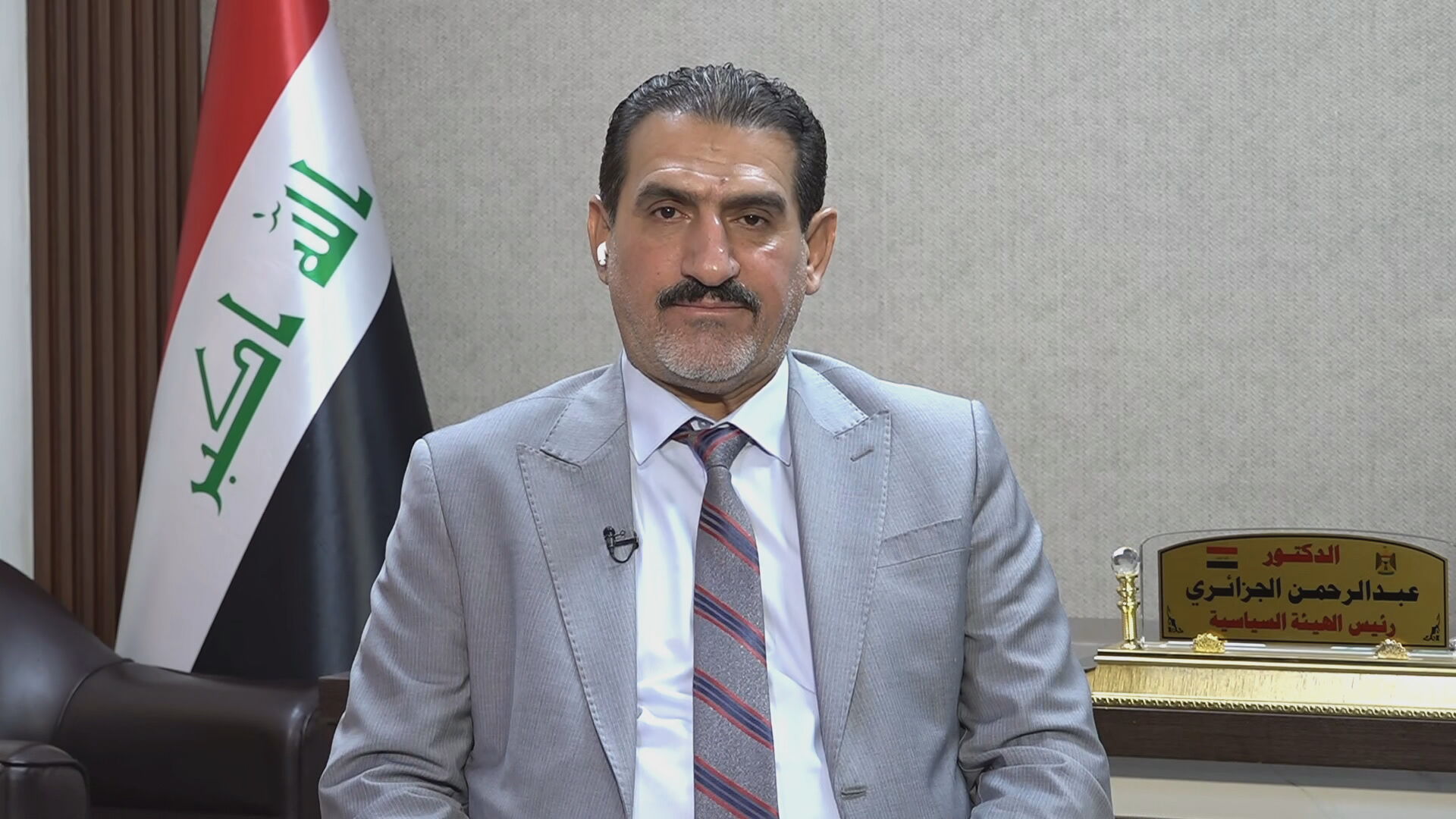
ERBIL (Kurdistan24) - Iran has urged Iraqi armed groups to halt attacks on Saudi Arabia and pursue diplomatic solutions amid heightened regional tensions, Abdul Rahman al-Jazairi, head of the political bureau of the Iraqi National Current and Coordination Framework leading member, said Monday.
Speaking to Kurdistan24's noon news bulletin, Jazairi said senior figures from Iran's Islamic Revolutionary Guard Corps (IRGC) had conveyed a message to Hadi al-Amiri, calling on armed factions to refrain from military action against Saudi Arabia as Baghdad prepares for high-level talks with Riyadh.
He said the message was directed at groups including Harakat al-Nujaba, Kata'ib Hezbollah and Abu Ala al-Walai, with Tehran urging them to prioritize political and diplomatic channels.
Iran seeks to contain regional escalation
Jazairi linked the reported Iranian intervention to Iraqi Prime Minister Ali al-Zaidi's expected visit to Saudi Arabia next week, saying the trip will address several sensitive issues, including arms control, corruption and Iraq's economic situation.
The reported Iranian message comes as Baghdad seeks to prevent Iraqi territory from being used for attacks against neighboring countries and amid broader efforts to contain the spillover from regional conflicts.
Jazairi described control of weapons as one of the government's most consequential security challenges, saying the issue is also a key demand of Iraq's Supreme Religious Authority.
He warned that failure to establish state control over weapons would carry serious consequences for Iraq's security and political stability.
Secret talks over US withdrawal
Jazairi also claimed that Baghdad is involved in undisclosed understandings concerning the future of US forces in Iraq.
According to the Iraqi political official, the discussions could involve an eventual US military withdrawal in exchange for guarantees that armed groups keep their weapons under state control and halt drone operations from Iraqi territory, including in areas such as Jurf al-Nasr.
He compared the reported understandings to broader negotiations between Iran and the United States, without providing details about the parties involved or the status of the discussions.
The Iraqi government has increasingly emphasized that armed activity must be conducted through official state institutions, particularly as Baghdad seeks to maintain its declared policy of keeping Iraq out of regional confrontations.
Anti-corruption campaign enters second phase
Jazairi also said Iraq's anti-corruption campaign has entered what he described as a second and more critical phase, with investigations extending to senior political and government figures.
He said arrest warrants had been issued for eight prominent individuals, with two already detained and authorities continuing to pursue the remaining six.
The cases under investigation include alleged corruption involving two ministries, electricity projects, Defense Ministry contracts for arms and vehicles, Interior Ministry files and figures associated with the Popular Mobilization Forces, Jazairi said.
He added that the Supreme Central Committee of the Integrity Commission is overseeing the sensitive investigations.
Regarding former Social Affairs Minister Ahmed al-Asadi, Jazairi said investigators had sought the involvement of Interpol after alleged financial irregularities surfaced during an investigation involving people close to the former minister.
He said al-Asadi is currently in Australia.
Jazairi's remarks come as Baghdad confronts three interconnected challenges, containing corruption, stabilizing the economy and bringing weapons under state authority, while simultaneously attempting to prevent regional tensions from drawing Iraq deeper into conflict.