Iraq Parliament Moves to Regulate Top Officials’ Salaries, Recover Stolen Public Funds
Lawmaker says reform must begin at the top as Parliament prepares legislation targeting senior officials’ pay and corruption-related assets
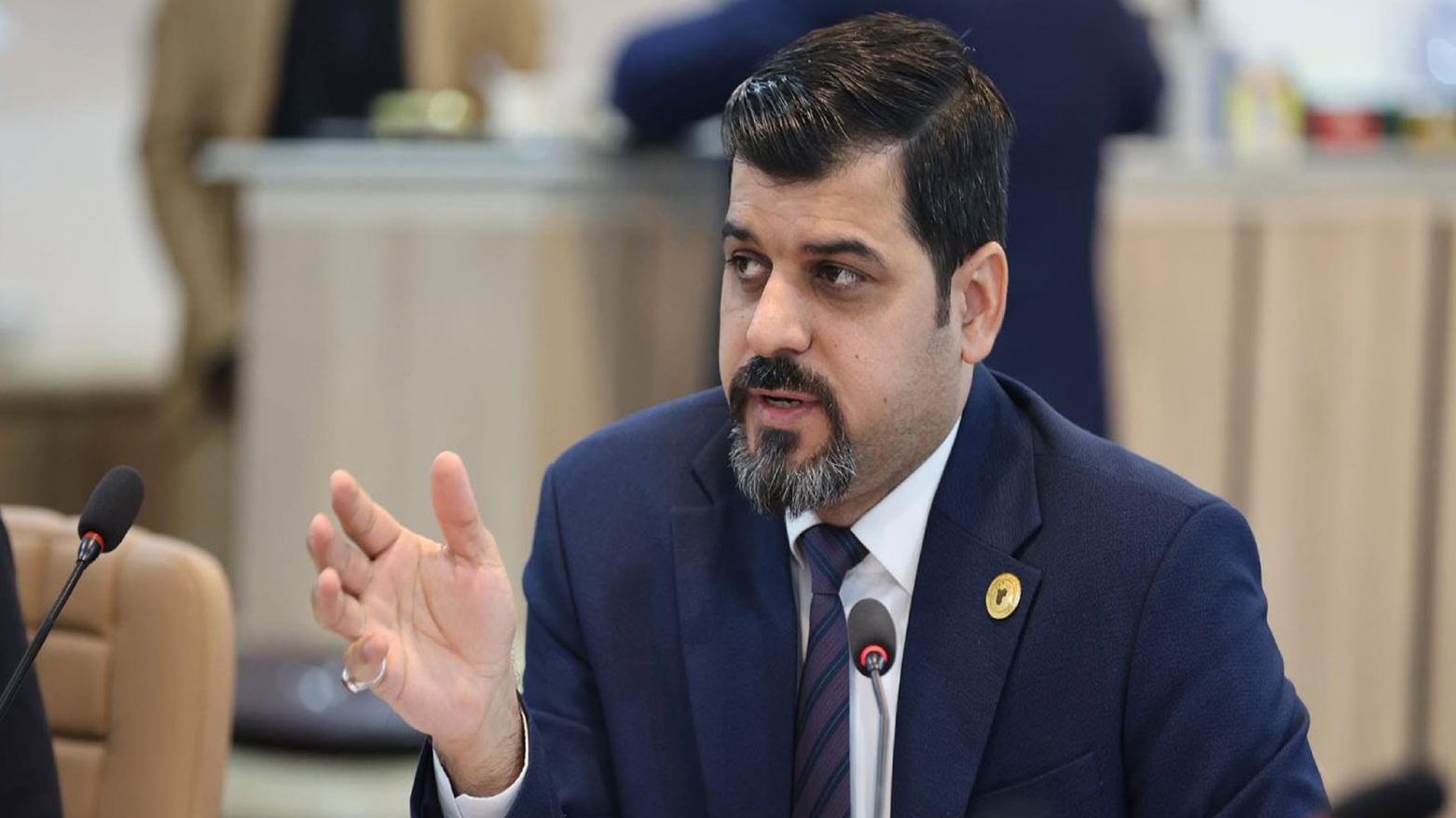
ERBIL (Kurdistan24) — An Iraqi parliamentary committee has approved a proposal to reduce and regulate the salaries of the country’s three top presidencies and senior officials, as lawmakers face growing public criticism over salary disparities and a deepening financial crisis.
Mohammed Jassim al-Khafaji, a member of the Legal Committee in Iraq’s Council of Representatives, told Kurdistan24 that the committee had endorsed the proposed legislation based on Articles 63, 74 and 82 of the Iraqi Constitution.
Khafaji said genuine reform should begin at the highest levels of government, starting with the presidencies and ministerial ranks and extending down to director generals before broader measures are applied to other state employees.
“This step will restore citizens’ confidence in genuine reform and help overcome the financial crisis,” Khafaji said.
He stressed, however, that addressing Iraq’s financial difficulties would require more than passing a new salary law. He called for an end to the waste of public resources and stronger efforts to combat corruption.
Khafaji said significant waste occurs in government tenders, procurement and public spending, arguing that such practices could be addressed through stronger legislation and oversight.
He also called for greater efforts to increase Iraq’s non-oil revenues and reduce the country’s heavy dependence on crude exports.
Parliament to debate recovery of stolen funds
The salary proposal comes as Iraq’s parliament prepares to hold two sessions this week to discuss legislation concerning public-sector employees and efforts to recover funds stolen through corruption.
During its session scheduled for Aug. 13, Parliament is expected to take up a major legislative initiative to establish a legal framework for recovering proceeds linked to corruption.
Lawmakers are scheduled to conduct a first reading of a draft law consisting of 45 articles, marking what Parliament considers an important step toward cutting off sources of corruption and recovering public funds.
The proposed legislation comes amid persistent concerns over corruption, weak oversight and inefficient public spending, which have placed additional pressure on Iraq’s finances.
Salary delays deepen concerns
Khafaji also addressed reports suggesting that public-sector salaries could eventually be paid every 45 days instead of monthly.
While acknowledging that Iraq is facing a financial crisis that could lead to salary delays, he firmly rejected the possibility of adopting a 45-day salary cycle.
“There is a financial crisis, and it may cause delays in salaries, but under no circumstances will salaries be distributed once every 45 days,” Khafaji said.
Iraq has been grappling with mounting financial pressures for several months, with the difficulties affecting the government's ability to maintain timely salary payments.
The scale of the challenge is substantial: Iraq requires more than 10 trillion Iraqi dinars each month to cover salaries and other government expenditures, highlighting the strain placed on the state budget by a large public-sector payroll and the country's continued reliance on oil revenues.
The simultaneous push to restructure senior officials’ salaries, recover corruption-linked assets and curb waste reflects growing pressure on Baghdad to pursue fiscal reform from the top of government while protecting the incomes of ordinary public employees.
Kurdistan24's Sardar Hasan contributed to this report.