Can Iran-US Talks Reopen Strait of Hormuz?
Iran says Strait of Hormuz will remain closed until its conditions are met, while Pakistan says Tehran and Washington are nearing a deal.
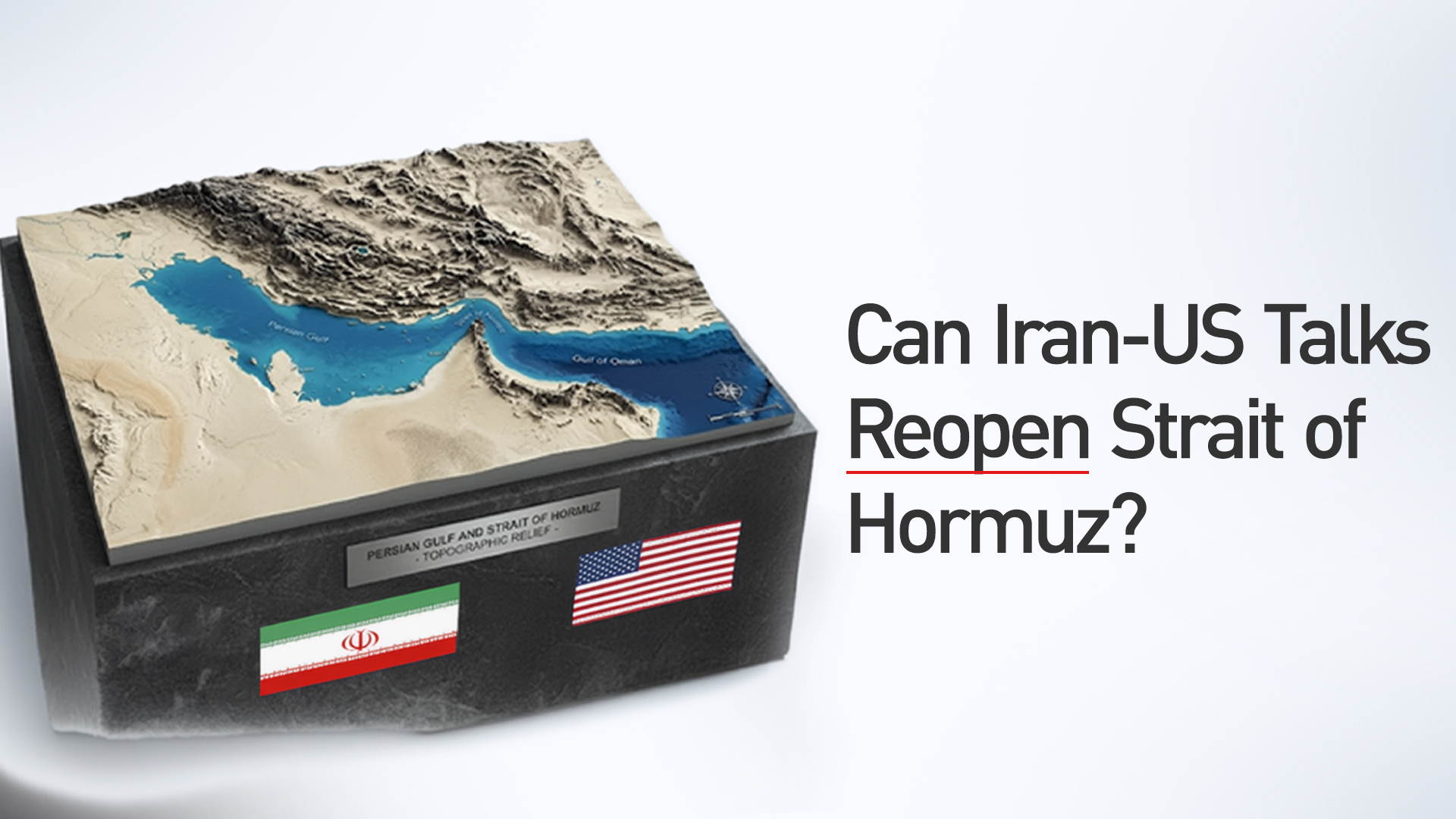
ERBIL (Kurdistan24) - Iran has warned that the Strait of Hormuz will remain closed until its proposed conditions are fully implemented, as Pakistan’s defense minister said Tehran and Washington are moving closer to a political understanding aimed at ending the war.
On Tuesday, Mohammad Mokhber, adviser and aide to Iran’s Supreme Leader, issued a message on his personal X account warning Washington that any renewed violation of commitments would lead to significantly tougher conditions.
“Whenever the enemy violates its promises and turns to war again, it will face much harsher conditions and much stronger insistence than before,” Mokhber wrote.
The adviser and aide to Iran’s Supreme Leader stressed that punishment against the aggressor would continue and that the Strait of Hormuz would not be reopened until all of Iran’s proposed conditions were fully implemented.
“Anyone who does not learn from the experiences of the past will become a lesson for future generations,” Mokhber warned.
At the same time, Pakistan’s Defense Minister Khawaja Muhammad Asif said the United States and Iran are close to reaching an understanding or a form of political agreement for peace.
Speaking to Bloomberg on Tuesday, Asif said developments were once again moving toward an agreement or a peaceful understanding, adding that signs from the previous two or three days indicated that both sides were getting closer to a compromise.
The Pakistani defense minister stressed that reaching a lasting agreement would serve the interests of the entire region and represent a positive sign.
His comments came as Pakistan’s Interior Minister Mohsin Raza Naqvi arrived in Tehran on Tuesday to hold talks with Iranian officials.
Iranian media reported that Pakistan had begun diplomatic efforts to mediate between Iran and the United States, with the aim of ending the war and reaching a peace agreement in the region.
The Pakistani diplomatic efforts come as US President Donald Trump has conditioned negotiations on Iran providing financial compensation, insisting that reparations from Tehran are a key basis for resolving the dispute.
Attention is currently focused on negotiations over reopening the Strait of Hormuz.
On Monday, Trump demanded compensation for all losses resulting from Iranian bombings and armed attacks, including compensation for the families of those killed aboard the USS Cole and the families of hundreds of thousands of protesters who, according to the information provided, were killed by the Iranian authorities over the past 50 years.
Since the war began in February, Trump has continued to move between threats of military action and intensifying attacks on one side, and insistence on reaching a peace agreement on the other.
It remains unclear how the two sides will reach a settlement while they continue to completely reject each other’s conditions.
Pakistan was a key mediator in talks that led to the memorandum of understanding reached between the United States and Iran in June, aimed at halting the fighting.
However, that agreement was short-lived, with the parties returning to military confrontation before entering another phase of de-escalation.
The new phase coincides with negotiations over a ceasefire and the reopening of the Strait of Hormuz.
Against this backdrop, Mokhber’s warning that Hormuz will remain closed until Iran’s conditions are fully implemented contrasts with Pakistan’s assessment that Tehran and Washington are moving closer to an agreement.