Pakistan Interior Minister Visits Iran as US Tightens Blockade on Iranian Ports
Talks in Tehran focus on regional security and stability as Washington says it disabled a cargo ship attempting to reach Iran; three Pakistanis killed in Houthi attack
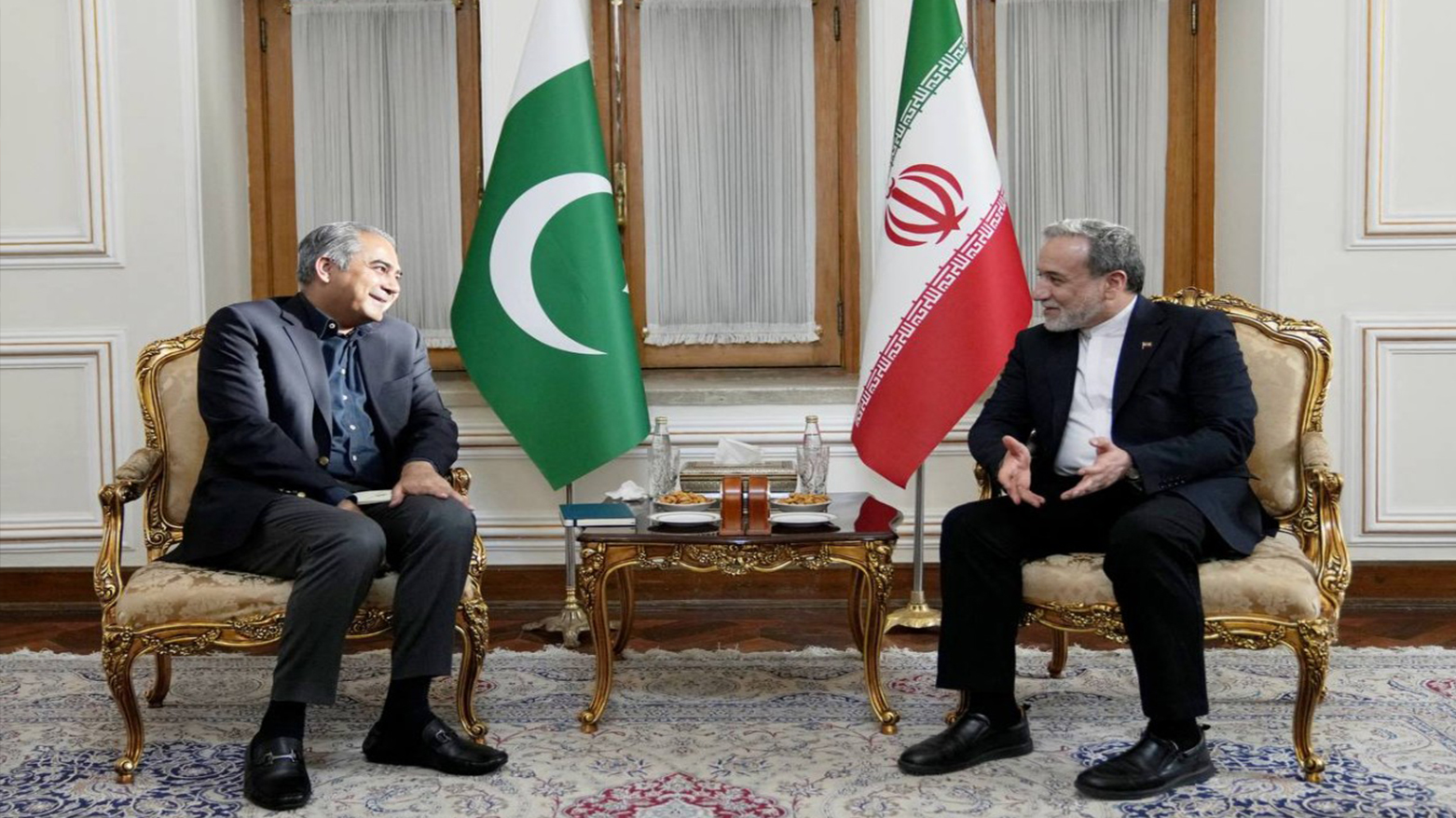
ERBIL (Kurdistan24) — Pakistan’s interior minister traveled to Iran on Wednesday for talks focused on bilateral relations, regional security and efforts to promote stability, as Islamabad continues diplomatic efforts to help end the fighting in the Middle East.
Pakistan’s Foreign Ministry spokesman Tahir Andrabi said the minister was discussing “bilateral relations, security, regional security and stability” as well as constructive engagement among regional parties and broader developments in the region.
Pakistan has been involved in diplomatic efforts aimed at mediating an end to the conflict in the Middle East.
The visit comes amid heightened tensions between the United States and Iran, including Washington’s renewed blockade of Iranian ports and continued disruptions to maritime traffic around the Strait of Hormuz.
US disables cargo ship attempting to reach Iran
The United States military said Tuesday that a US Navy MH-60 helicopter fired missiles at the engine room of the Panama-flagged cargo vessel M/V Vela Nova after the ship attempted to break the US blockade of Iranian ports.
US Central Command (CENTCOM) said the helicopter fired on and disabled the vessel after its civilian crew ignored repeated warnings from American forces.
The military said the vessel was no longer heading to Iran “in violation of the US blockade.”
The incident marked the third time US forces have forcibly halted a vessel since Washington reinstated its blockade of Iranian ports on July 14.
CENTCOM said it had redirected 55 commercial vessels attempting to evade the blockade and boarded two others as of Tuesday.
The United States had previously imposed a blockade on Iranian ports from April 13 to June 18, during which CENTCOM said American forces disabled nine vessels and redirected more than 140 others.
Iran has demanded that Washington lift the blockade as part of its conditions for reopening the Strait of Hormuz, a critical global energy route whose commercial traffic has plunged amid the conflict and attacks on shipping in the area.
US President Donald Trump on Tuesday again claimed that the United States had taken control of the strategic waterway.
“We have total control over the Hormuz Strait right now,” Trump told reporters. “They don't have control. We have total control. We own it.”
Three Pakistanis killed in Houthi attack
Separately, Pakistan said three of its citizens were killed and another wounded in a Houthi attack on a vessel in the Red Sea.
Foreign Minister Ishaq Dar said Wednesday that “three Pakistani nationals have lost their lives and one has sustained injuries” in the incident.
The deaths were reported a day after Yemen’s coastguard said Houthi strikes on a vessel off Yemen’s coast had killed at least six people.
The latest developments underscore the growing risks to regional maritime security as the wider conflict continues to affect commercial shipping across the Red Sea, the Gulf of Aden, and the Strait of Hormuz.
Taken together, the developments underscore how the conflict is increasingly spilling across diplomatic and maritime fronts, with Pakistan emerging as a key regional interlocutor while simultaneously facing the human cost of attacks on commercial shipping.
Islamabad’s engagement with Tehran comes as US efforts to enforce the blockade are raising the stakes around the Strait of Hormuz, while Houthi attacks in the Red Sea demonstrate that the wider confrontation continues to threaten vital international trade routes far beyond the immediate theater of conflict.
The combination of diplomatic mediation, military enforcement and growing risks to civilian shipping highlights the mounting pressure on regional powers to prevent further escalation and keep critical waterways open to global commerce.