Bloomberg: UAE Firm proposes handling Iraq's oil exports
Bloomberg reports ADNOC has proposed handling Iraq's crude oil exports through the Strait of Hormuz using ship-to-ship transfers amid regional tensions.
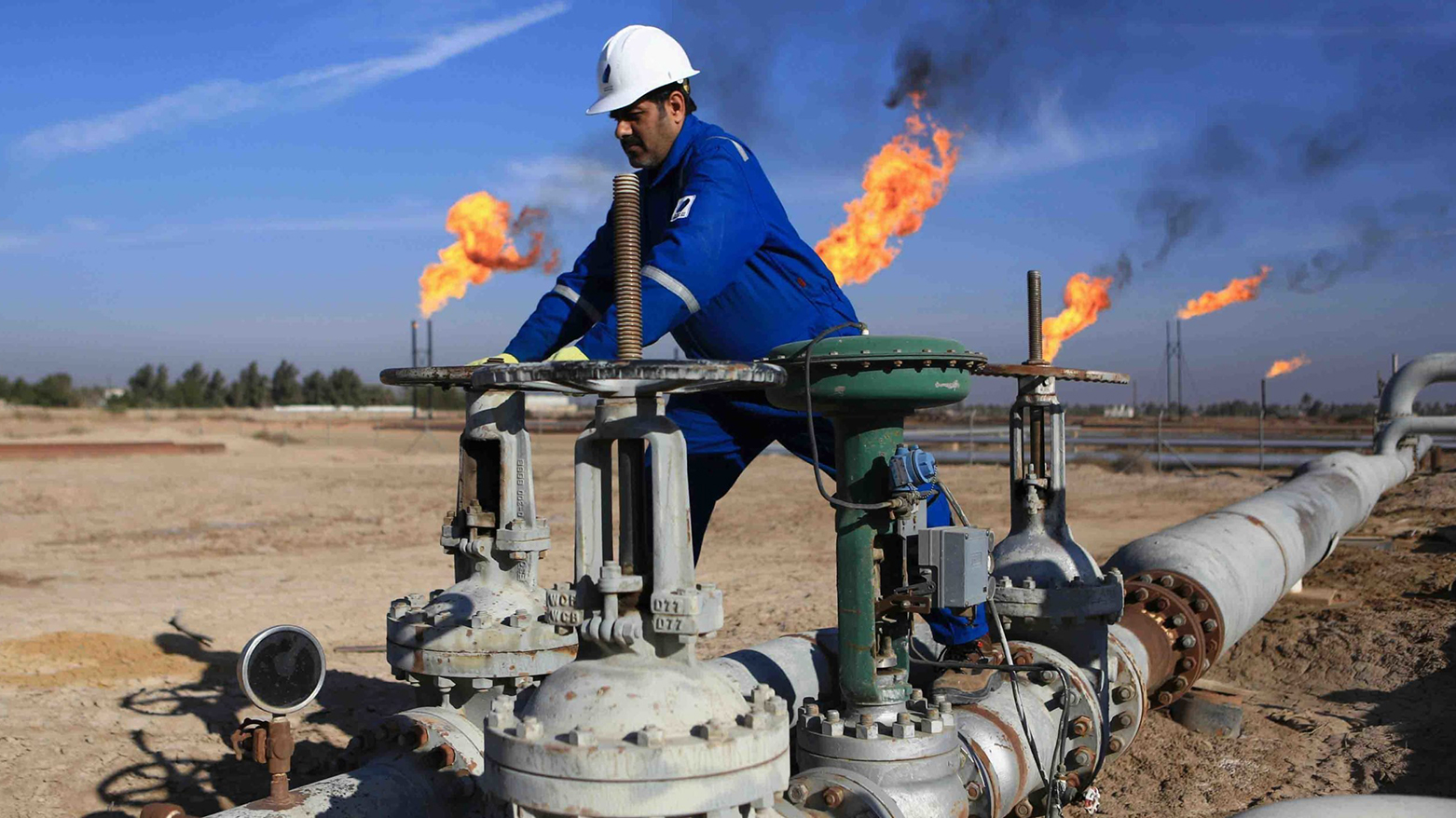
ERBIL (Kurdistan24) - The Abu Dhabi National Oil Company (ADNOC) has proposed taking over the transport of Iraq's crude oil exports through the Strait of Hormuz, using a short-haul shipping strategy to move Basra crude and its grades to Asian refineries, Bloomberg reported on Wednesday.
Bloomberg described ADNOC as one of the most successful oil producers in the Gulf region, relying on a short-distance transport technique in which vessels make brief voyages and frequently switch off their communication and tracking devices to avoid detection, before transferring their cargo to other ships outside the Gulf area.
According to Bloomberg's information, ADNOC has in recent days supplied crude cargoes to Asian buyers and has used the same method to transport oil from other Middle Eastern producers, particularly Iraqi crude.
Until now, Vitol Group and TotalEnergies have been the most prominent shippers of Iraqi oil. ADNOC's proposal could affect the flow of exports at a time when tensions between the US and Iran, along with attacks on several vessels in the Strait of Hormuz last week, have created significant obstacles for Gulf countries' oil export operations. The disruptions add to a broader picture of strain on global energy markets: OPEC's own August 2026 report projected that global oil demand would keep climbing through 2027, even as it trimmed its economic growth forecasts, underscoring how closely tied regional stability is to the wider market outlook.
Separately, Iraq's State Organization for Marketing of Oil (SOMO) has offered substantial discounts to companies willing to transit the Strait of Hormuz, with discounts reaching nearly $30 below market price per barrel, in an effort to encourage buyers and maintain the continuity of exports despite the security risks.
The developments underscore how continued instability near the Strait of Hormuz continues to reshape oil-shipping strategies across the Gulf, with producers and buyers alike adjusting to the risks while the shared goal of regional stability remains central to easing pressure on global energy supply chains.