Saudi Defense Minister Calls Iraq 'Cherished Neighbor' After Strikes
Riyadh signals effort to restore ties with Baghdad as Iran-backed Iraqi factions face pressure to disarm
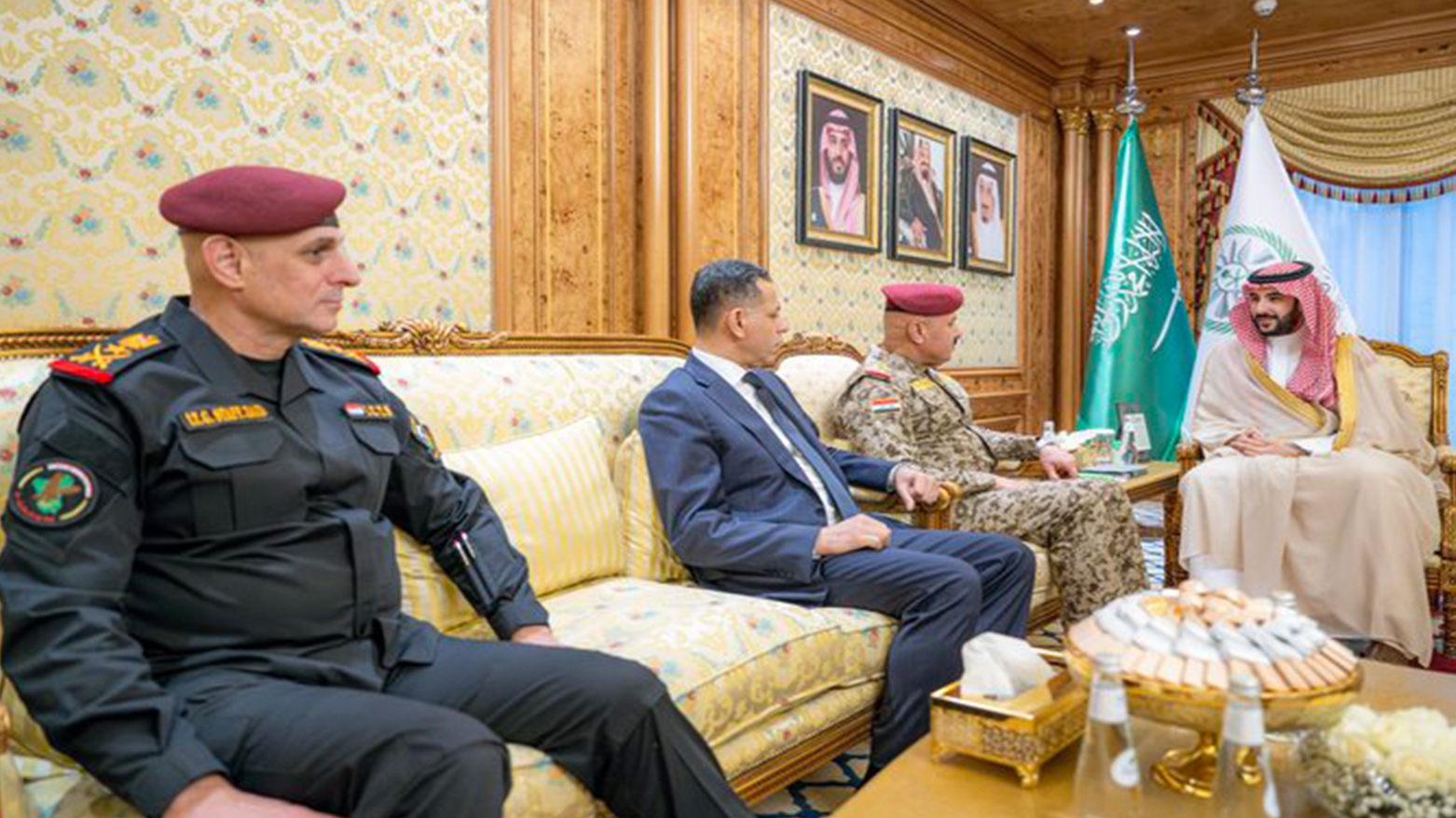
ERBIL (Kurdistan24) — Saudi Defense Minister Khalid bin Salman on Thursday described Iraq as a "cherished neighbor" during talks with a senior Iraqi security official, signaling an effort to strengthen bilateral ties following deadly US-Saudi strikes on Iran-backed targets in Iraq last month.
Bin Salman said he met with Abdul Amir Al-Shammari, director of Iraq's Office of the Commander in Chief, to review Saudi-Iraqi military and defense relations and discuss developments across the Middle East.
"Iraq will remain a cherished neighbor; we share bonds of brotherhood, solidarity, and mutual support with its government and its brotherly people," bin Salman said in a post on X.
"The Kingdom will always stand by Iraq to support its security, stability, development, and prosperity," he added.
The meeting marked the first publicly announced visit by an Iraqi security official to Saudi Arabia since Iraqi Prime Minister Ali al-Zaidi's planned trip to the kingdom was canceled following strikes on July 29.
The attacks, which Riyadh said were carried out in response to drone threats against Saudi oil facilities, further strained relations between Baghdad and Riyadh. Saudi Arabia blamed Iran-backed armed groups operating from Iraq for the attacks.
Officials from Iraq's Popular Mobilization Forces (PMF), an umbrella organization that includes powerful Iran-aligned factions, said the US-Saudi strikes killed 20 militants, including five Iranians.
Efforts to Repair Bilateral Ties
Thursday's meeting represents another step toward restoring high-level contacts between Saudi Arabia and Iraq following the strikes.
The first senior-level Saudi-Iraqi meeting since the attacks took place last week, when the two countries' foreign ministers met on the sidelines of a regional gathering in Jordan's capital, Amman.
Bin Salman said he and Al-Shammari also emphasized the importance of continued coordination and cooperation between Riyadh and Baghdad to protect their mutual interests and contribute to regional security and stability.
The outreach comes as Iraq seeks to prevent the confrontation between the United States and Iran from further destabilizing its territory or damaging its relations with neighboring Arab states.
The Islamic Resistance in Iraq, an alliance of Iran-backed armed groups, had vowed to retaliate for the July strikes but announced last week that it would postpone its response.
Baghdad Under Pressure Over Armed Groups
The Saudi-Iraqi engagement comes as Baghdad faces mounting pressure from Washington to rein in and ultimately disarm Iran-aligned armed factions that have repeatedly targeted US facilities during the Middle East war.
Prime Minister Ali al-Zaidi, who took office this year with US backing, has pledged that Iraq's armed groups must come under state authority and that their weapons should ultimately be surrendered to the government.
The position has faced resistance from powerful factions within Iraq's political and security landscape, many of which maintain close ties with Tehran and regard their armed capabilities as essential to confronting external threats.
The dispute over the armed groups has placed the Iraqi government in a difficult position as it attempts to balance its strategic relationships with both Washington and Tehran.
Iraq at the Center of Regional Rivalries
Iraq's geographic position and political ties have repeatedly placed it at the center of the competition between Iran and the United States.
Both countries remain among Baghdad's most important partners, but their long-running confrontation has frequently turned Iraqi territory into a theater for proxy conflict.
The latest US-Saudi strikes have added a new dimension to that challenge by directly involving a key Arab Gulf state in military action linked to Iran-backed groups operating inside Iraq.
For Riyadh, rebuilding ties with Baghdad is also strategically important as Saudi Arabia seeks greater regional stability and deeper economic and security cooperation with its neighbors.
For Iraq, closer relations with Saudi Arabia and other Gulf states offer an opportunity to strengthen its Arab partnerships and reduce the country's exposure to regional rivalries.
Thursday's talks therefore appear to reflect a shared interest in containing tensions despite the unresolved dispute over Iran-backed armed groups and the continuing risk of Iraq being drawn deeper into the wider US-Iran confrontation.