Two ADNOC Vessels Attacked in Hormuz as UAE Blames Iran
The UAE says two vessels linked to state oil giant ADNOC were attacked while transiting the Strait of Hormuz, with no casualties reported.
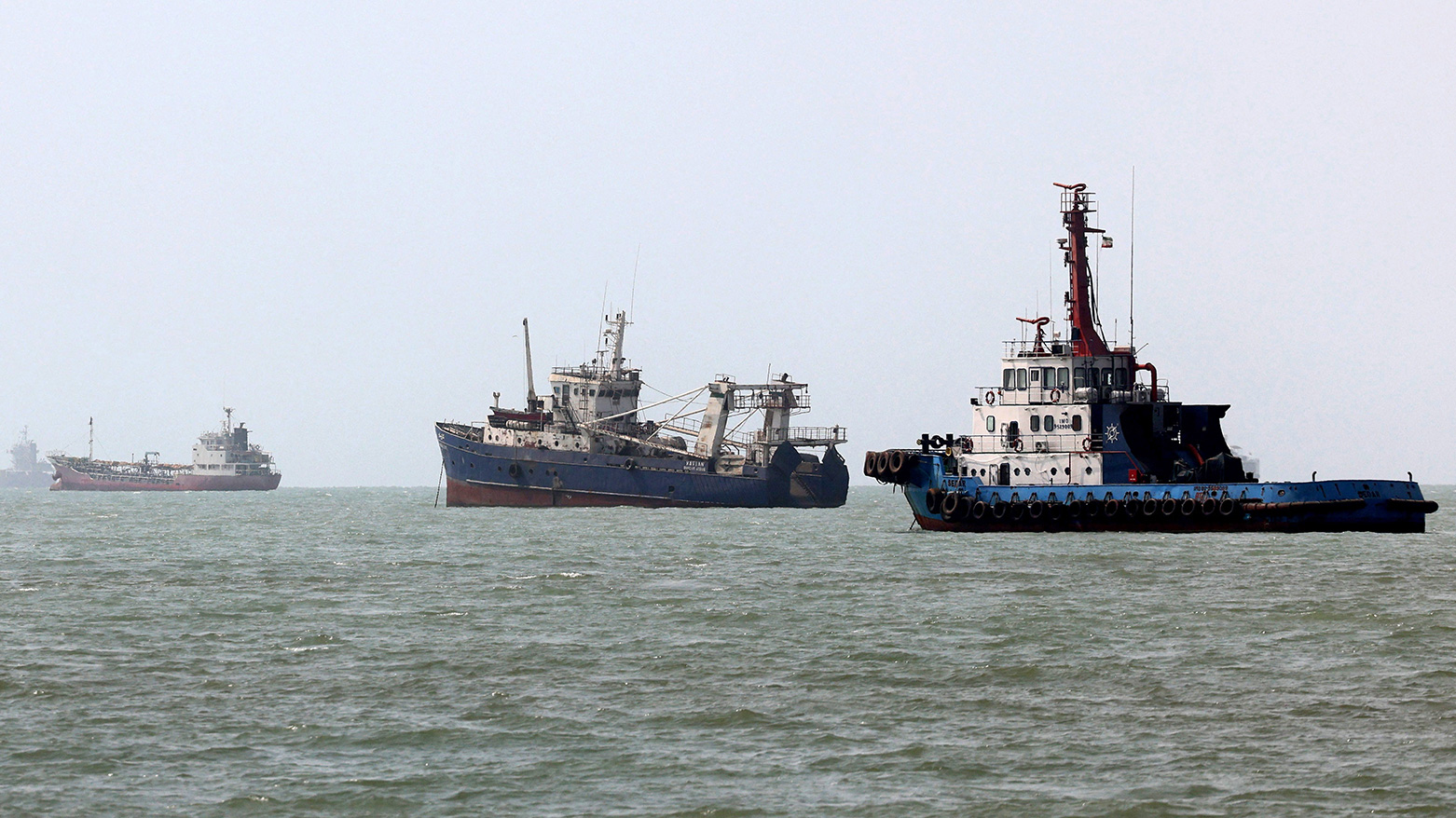
ERBIL (Kurdistan24) - The United Arab Emirates accused Iran on Friday of attacking two vessels affiliated with its state-owned oil company ADNOC while they were transiting the Strait of Hormuz, further escalating tensions around the vital maritime route.
The UAE Foreign Ministry described the incident as a"hostile Iranian attack," while ADNOC confirmed that two of its vessels had come under attack Thursday evening.
No injuries were reported, and ADNOC said the situation had been brought under control.
Two Vessels Hit in Hormuz
According to Agence France-Presse (AFP), the UAE said the vessels were targeted while passing through the strait, where Iran has imposed what officials describe as an effective blockade amid the wider regional conflict.
ADNOC confirmed "two of its vessels were attacked while transiting" the waterway, according to the UAE's official WAM news agency.
The company did not provide further details about the vessels or the nature of the damage.
The attacks came a day before the United Kingdom Maritime Trade Operations (UKMTO) reported two separate incidents involving drone strikes on tankers in the Strait of Hormuz.
UKMTO said the vessels sustained minor damage, while their crews were safe and no environmental damage had been reported.
It was not immediately clear whether the vessels referred to by UKMTO were the same ADNOC-linked ships identified by the UAE.
Hormuz Under Growing Pressure
The latest incidents add to a series of attacks involving commercial shipping in the strategic waterway.
AFP reported that ADNOC said three of its tankers had been attacked in the strait the previous week, followed by another reported attack that the UAE government attributed to Iran.
The Strait of Hormuz was open to normal international shipping before the current Middle East war began in February. Since then, repeated attacks and restrictions have disrupted maritime traffic through a passage that is critical to global energy markets.
The standoff has also complicated diplomatic efforts to end the conflict.
A June agreement had established a framework for Iran and Oman, both of which border the waterway, to discuss future arrangements for navigation with other Gulf states in accordance with international law.
Tehran Sets Conditions for Reopening
Iran has maintained that reopening the strait depends on broader political and military conditions.
Last week, Iranian security chief Mohammad Bagher Zolghadr outlined conditions including an end to the war and what he described as aggression against Iran and its allies in Lebanon, Palestine, Yemen and Iraq.
According to remarks reported by Iran's Tasnim news agency and cited by AFP, Tehran also demanded an end to the US naval blockade of Iranian ports, the lifting of sanctions, the release of frozen Iranian assets and compensation for wartime damage.
The United States has strongly opposed any arrangement that would allow Iran to impose passage fees or exercise unilateral control over the waterway.
Global Energy Route at Risk
The latest attacks highlight the growing risks facing commercial shipping in one of the world's most important energy corridors.
Any prolonged disruption in the Strait of Hormuz could affect oil and gas shipments and add further pressure to global energy markets.
For Gulf states such as the UAE, the attacks also raise concerns over the vulnerability of their commercial and energy infrastructure as the confrontation between Iran and the United States continues to spill into regional waters.
With shipping incidents mounting and negotiations over the strait still unresolved, the latest attacks underline how the waterway has become both a military flashpoint and a central bargaining issue in the wider conflict.