Iran Calls for Release of Three Pilots Allegedly Captured in Qatar
Iranian military official says pilots were captured alive after their fighter jets crashed during the Middle East war and have been held for six months
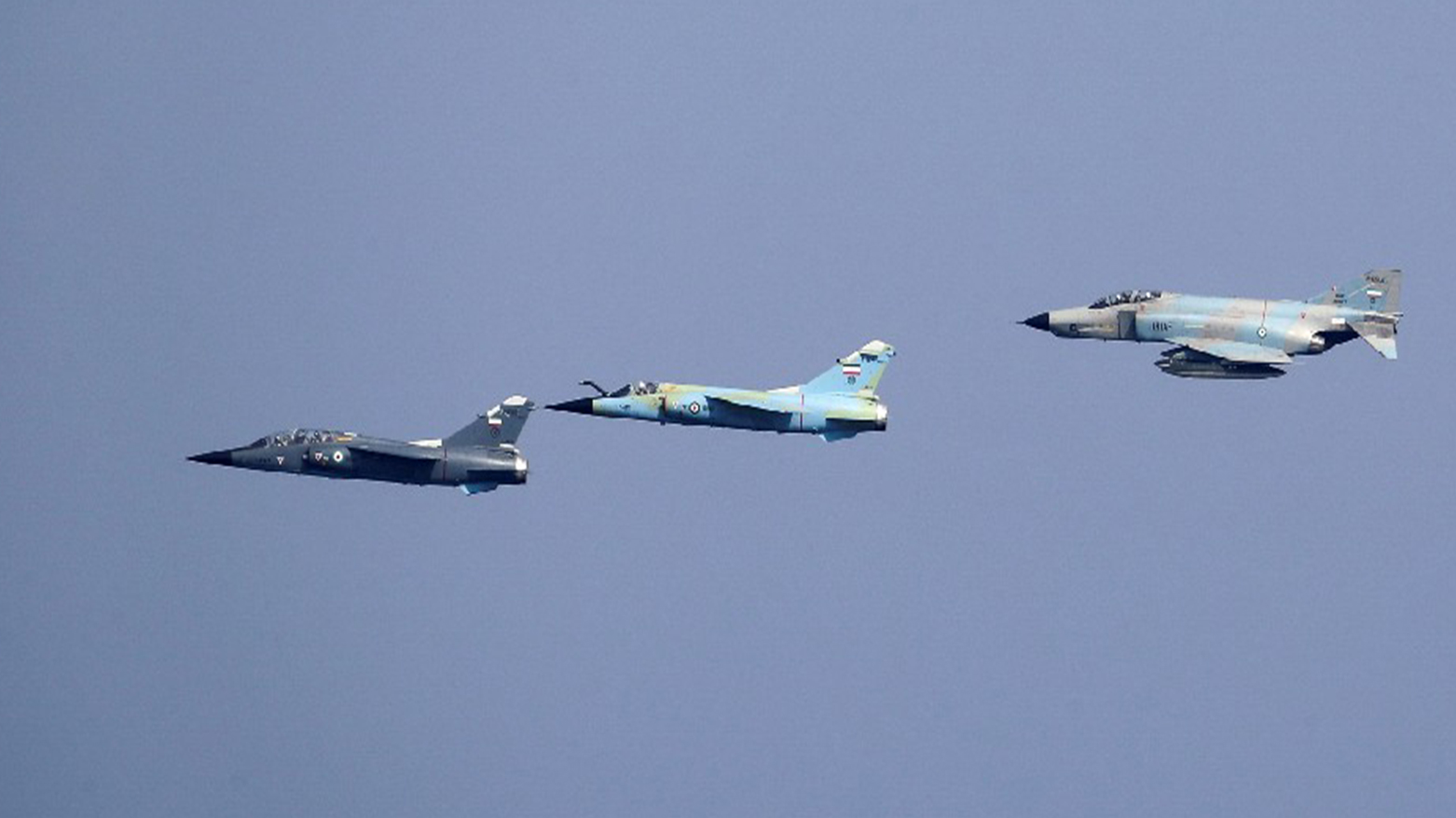
ERBIL (Kurdistan24) — Iranian authorities on Saturday called for the release of three pilots they say were captured alive by Qatari forces after their Su-24 fighter jets crashed during the Middle East war.
General Mohammad Bagherzadeh of Iran’s armed forces said the pilots — Javad Salehi, Abdolmajid Dashtian and Omran Behraveshian — have been held by Qatari forces for six months, according to Iran’s Fars news agency.
In a letter to the International Committee of the Red Cross (ICRC), Bagherzadeh called for the pilots’ release, saying they had not been allowed to meet or communicate with their families.
The Iranian military had previously reported the pilots as missing, but their alleged capture was not publicly disclosed at the time.
Al Udeid attack
The claim comes weeks after Iran’s army said it had recovered the body of Iranian pilot Majid Kazemi, who was killed during an attack on Al Udeid Air Base in Qatar in early March.
Al Udeid hosts forward components of the US Central Command (CENTCOM), as well as US air forces and special operations forces. It is the largest US military base in the Middle East.
Iranian authorities have not provided further details on the circumstances under which the three pilots were allegedly captured or where they are being held.
The claim could add another layer to tensions between Tehran and Washington and their regional partners following months of conflict.
Middle East war
The Middle East war began on February 28, when the United States and Israel launched strikes against Iran. Tehran responded with missile and drone attacks targeting Israel and US-linked positions across the region.
Diplomatic efforts resulted in an April ceasefire, bringing nearly 40 days of intense fighting to an end. A framework for broader peace talks was signed in June, but the process later collapsed.
Iran and the United States subsequently exchanged fire sporadically, with much of the fighting concentrated in southern Iran and around the strategic Strait of Hormuz.
A relative lull in hostilities has been in place since late July, although tensions remain high and the status of the broader diplomatic process remains uncertain.