Russia Returns Specialists to Iran's Bushehr Nuclear Plant as Situation Stabilizes
Rosatom confirms 42 Russian personnel have returned to the facility months after evacuating more than 600 staff during US-Israeli strikes on Iran, with plans to expand to 100 by autumn
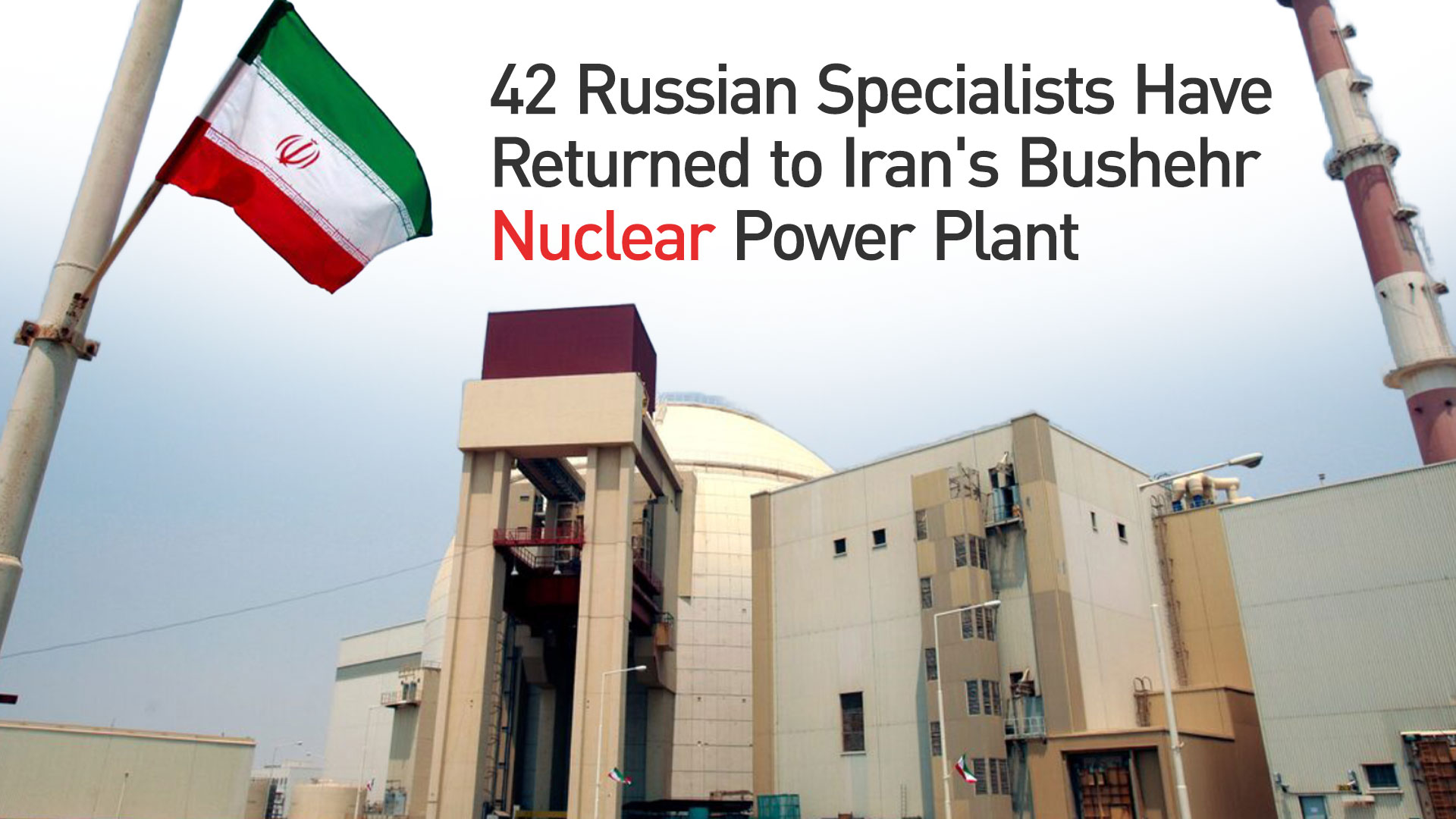
ERBIL (Kurdistan 24) - Russia's state nuclear energy company Rosatom announced on Saturday that the return of its personnel to Iran's Bushehr nuclear power plant is continuing, with 42 Russian specialists and staff having already resumed their duties at the facility, as the situation at the plant stabilizes following months of evacuation during the US-Israeli war against Iran.
Interfax news agency reported on Saturday, citing official remarks by Alexei Likhachev, Director General of Rosatom, that the return of the company's employees and specialists to the Bushehr nuclear power plant in Iran is ongoing. "The situation at the plant is calm," Likhachev said, confirming that the number of Russian specialists and staff who have returned to the facility has reached 42 people. He added that if operations proceed well, the number of Russian personnel at the plant will be increased to 100 by autumn of this year.
Rosatom had previously begun winding down operations at the Bushehr nuclear power plant in the period preceding the announcement, due to US and Israeli strikes on Iran, in a precautionary measure to protect the lives of its specialists and staff. In April 2026, Rosatom evacuated more than 600 Russian employees and specialists from the Bushehr plant, a decision described at the time as a self-protection measure to preserve the lives of technical personnel after Iranian territory came under sustained US and Israeli military strikes and the threat environment around the facility intensified significantly.
Bushehr, located on Iran's southern coast in Bushehr Province, is Iran's only operational nuclear power plant and is a central element of the Russia-Iran civilian nuclear cooperation that has been in place since the plant's construction began in the 1990s. The facility's operational status has been a subject of close international attention throughout the conflict, given its proximity to the Strait of Hormuz theatre and the broader concern among nuclear security experts about the risks posed to civilian nuclear infrastructure by sustained military operations in the surrounding region.
The return of 42 Russian specialists to Bushehr, and Rosatom's stated intention to expand that number to 100 by autumn, signals Moscow's assessment that the immediate military threat to Iran's nuclear infrastructure has receded sufficiently to permit the resumption of normal civilian nuclear operations. It also reinforces the Russia-Iran partnership in the nuclear domain at a moment when Washington is preparing what Treasury Secretary Scott Bessent has described as unprecedented new economic measures against Tehran, and when the 60-day US-Iran memorandum of understanding expired on Sunday without a successor agreement.
Saturday's announcement comes on the same day that the Syrian Foreign Minister confirmed that technical operations to destroy Assad-era chemical weapons stockpiles have begun, that Iran's president declared the world has accepted Tehran's victory over the United States, and that Putin warned Ukraine has opened a "Pandora's box" by striking Russian economic infrastructure, making it one of the most diplomatically and strategically dense single days of the broader regional crisis.