Iraq Sentences Former Lawmaker, Oil Official to Seven Years
Iraq sentenced former lawmaker Talal al-Zubaie and Oil Ministry official Ali Maarij al-Bahadli to seven years each and ordered payments totaling about 123 billion dinars.
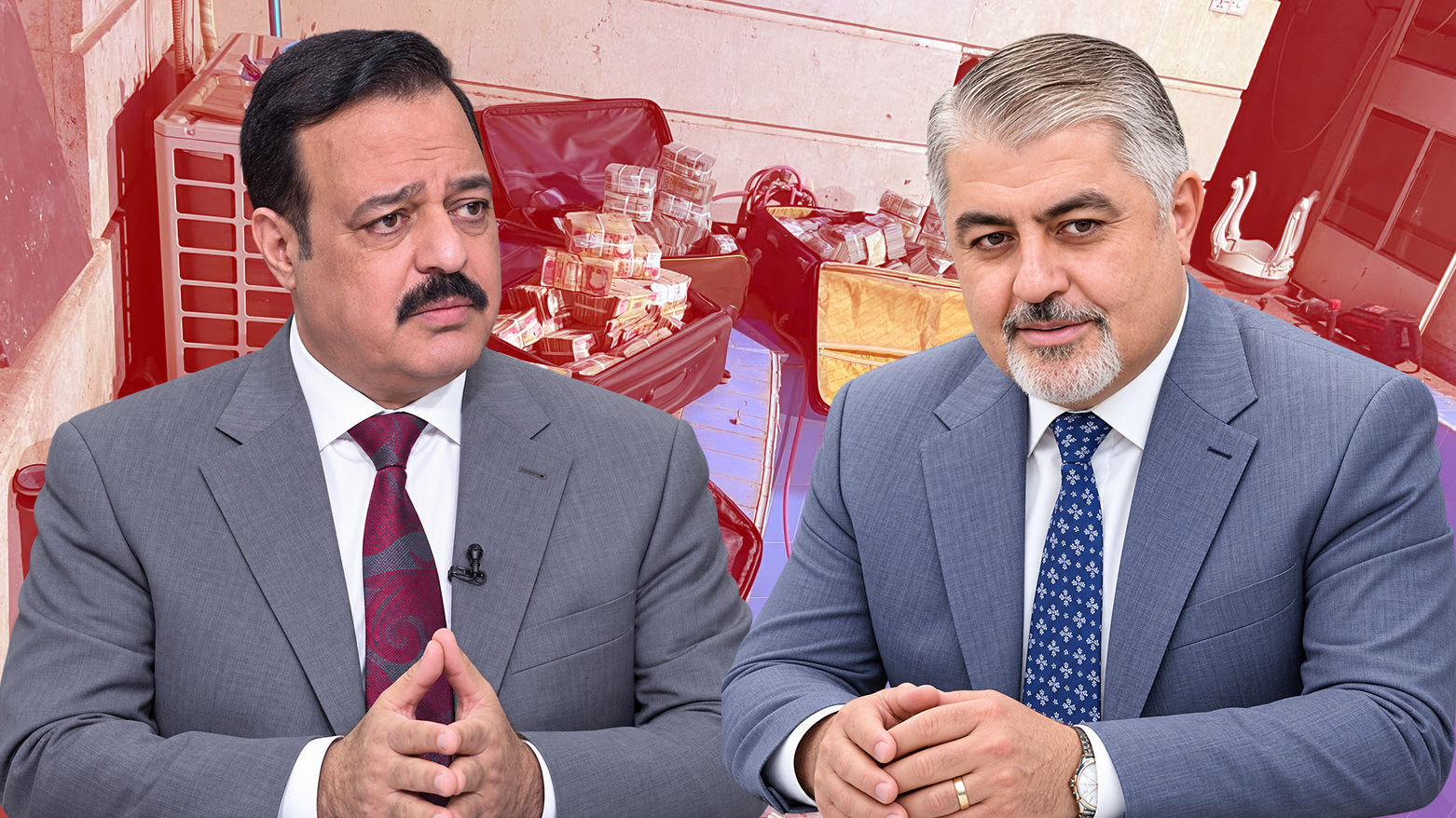
ERBIL (Kurdistan24) - Iraq's Federal Integrity Commission announced Sunday that a former member of parliament and a senior Oil Ministry official had each been sentenced to seven years in prison for illicit enrichment and unexplained increases in wealth, with the two ordered to pay a combined total of approximately 123 billion Iraqi dinars in restitution and fines.
The commission identified the defendants as former lawmaker Talal al-Zobaie and Ali Maarij al-Bahadli, the Oil Ministry's undersecretary for distribution affairs.
According to the Integrity Commission, investigators determined that al-Zubaie had accumulated nearly 35 billion dinars in illicit gains and unexplained wealth.
The court ordered him to return approximately 35 billion dinars and pay an additional fine of equal value, bringing the total financial judgment against him to roughly 70 billion dinars.
Bahadli's illicit gains and unexplained wealth were calculated at approximately 26.5 billion dinars, the commission said.
He was ordered to repay that amount and pay an equivalent fine, bringing his total obligation to around 53 billion dinars.
Together, the two judgments amount to approximately 123 billion dinars.
High-profile figures face court judgments
The convictions are notable because both men previously occupied influential positions within institutions central to Iraq's public finances and anti-corruption oversight.
Al-Zubaie served as chairman of the Iraqi Parliament's Integrity Committee between 2014 and 2018, giving him a prominent role in legislative scrutiny of corruption before he later became the subject of investigations into his own wealth.
Bahadli, meanwhile, held a senior position in the federal Oil Ministry, one of Iraq's most economically important institutions.
He had previously been placed under U.S. sanctions over allegations involving oil smuggling and illicit financial activities.
Kurdistan24 previously reported that substantial amounts of money and other assets were seized from his residence when he was arrested in Baghdad during the wider anti-corruption campaign.
Sunday's announcement marks a transition in these cases from investigation and asset seizure to criminal sentencing and court-ordered financial recovery.
Dawn Campaign increasingly reaches sentencing stage
The rulings come amid Iraq's continuing "Dawn Campaign," or Sawlat al-Fajr, which Baghdad has presented as one of its most extensive efforts in years to prosecute corruption and recover public wealth.
The campaign has targeted serving and former lawmakers, senior officials, political figures and businesspeople accused of offenses including illicit enrichment, embezzlement, money laundering and misuse of state property.
Its early phases were dominated by arrests, searches, travel restrictions and seizures of property and financial assets.
More recent developments suggest the campaign is increasingly producing judicial decisions alongside continuing investigations.
On Saturday, Iraqi government spokesman Haider al-Aboudi said authorities had recovered money, real estate and other assets worth more than 1.359 trillion dinars through the anti-corruption drive.
He also said more than 26,000 corruption reports had been submitted to the Federal Integrity Commission.
The government has emphasized that the judiciary remains responsible for determining criminal liability and has presented the recovery of state assets as a key measure of the campaign's effectiveness.
Asset freezes and property investigations widen
The convictions follow several other significant anti-corruption developments announced in recent days.
Iraq's Central Bank on Friday instructed banks and financial institutions to freeze movable and immovable assets belonging to 12 political figures and senior officials following a judicial decision from the Central Investigation Court for Combating Corruption.
Financial institutions were ordered to inform judicial authorities immediately if they identified deposits or accounts belonging to those named.
A separate investigation in Salahaddin province has also focused heavily on real estate.
The Integrity Commission said Saturday that investigators searching the home of Afrah al-Shammari, deputy director of the province's Real Estate Registration Department, seized documents connected to 95 properties.
Authorities alleged that 27 of those properties had been fictitiously registered in the name of al-Shammari's spouse to conceal their true ownership.
Investigators also reported finding cash, gold, computers and 31 blank forms bearing fingerprints. The spouse was ordered detained while that investigation continues.
Unlike the cases against al-Zubaie and Bahadli, the Salahaddin allegations remain under investigation and have not resulted in a final judgment.
Recovery increasingly central to anti-graft strategy
The financial penalties imposed Sunday highlight the growing importance of asset recovery within Iraq's anti-corruption strategy.
In both convictions, the courts did not merely order repayment of the amounts determined to constitute illicit enrichment. They also imposed fines equal to those amounts.
That effectively doubled the financial liability attached to the illicit gains identified by the court.
The government has simultaneously emphasized preventive measures, including greater digitalization of public administration, closer scrutiny of government contracts and financial incentives for people who report corruption.
Aboudi said whistleblowers may receive rewards equivalent to 5% of funds recovered as a result of their reports.
The broader challenge for Baghdad remains demonstrating that a campaign built initially around high-profile raids and arrests can produce sustained judicial outcomes and transparent recovery of state resources.
Sunday's sentences against al-Zubaie and Bahadli provide two of the clearest examples so far of that process reaching the conviction stage, combining lengthy prison terms with substantial court-ordered financial penalties.