Iran Doubles Petrol Price for Heavy Consumers Amid US Sanctions Pressure
Tehran raises the highest petrol price tier to 10,000 tomans per liter as the Iranian rial weakens and Washington intensifies its campaign to squeeze the country’s economy
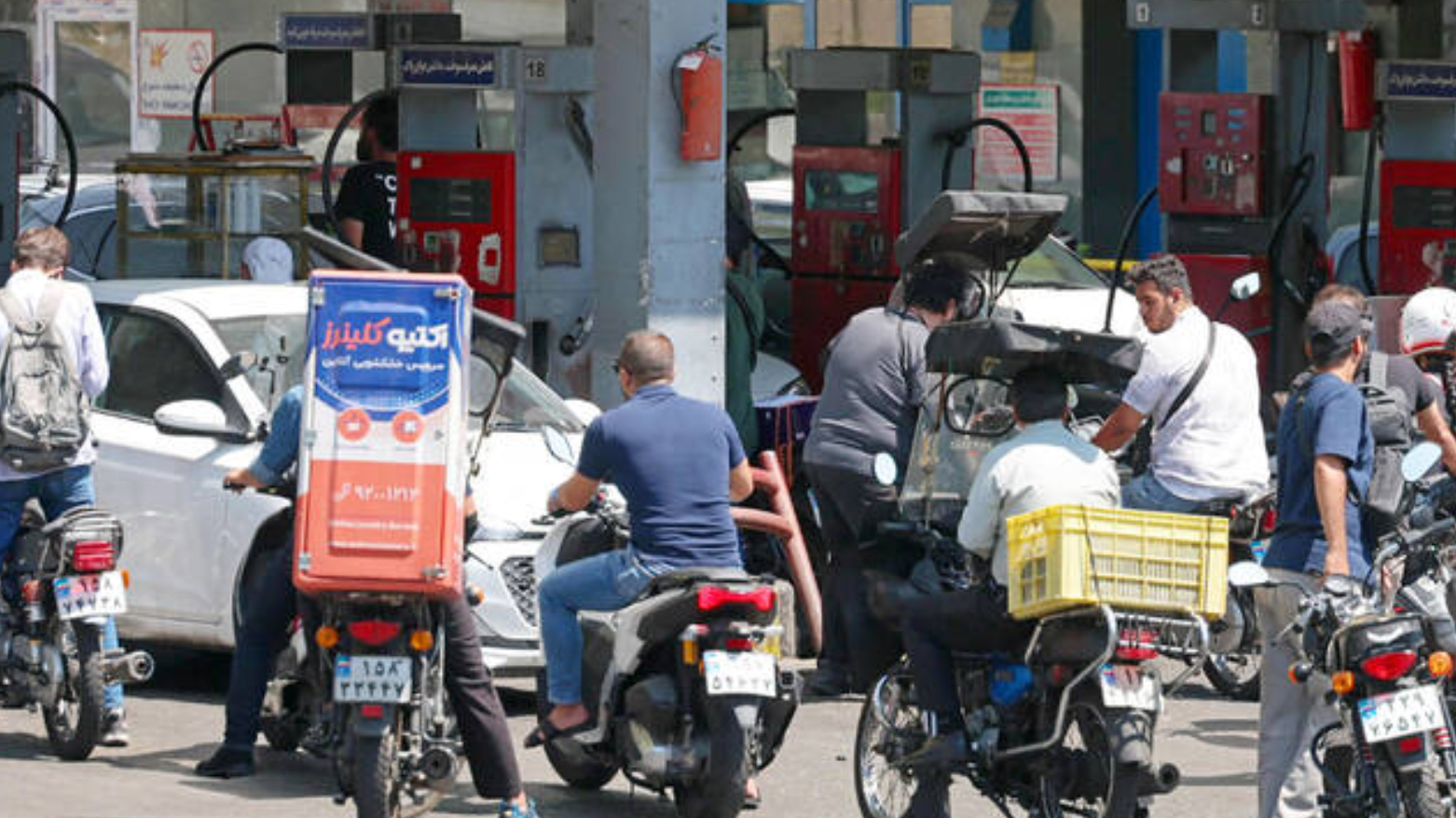
ERBIL (Kurdistan24) — Iran will double the price of petrol for consumers exceeding their monthly fuel quota from Tuesday, as Tehran faces mounting economic pressure from US sanctions and a sharp decline in the value of the Iranian rial.
Government spokeswoman Fatemeh Mohajerani announced Sunday that the price of petrol in the third consumption tier would rise from 5,000 to 10,000 tomans per liter, effective the morning of September 8.
“The rate will increase to 10,000 toman rials from the morning of September 8,” Mohajerani said in remarks carried by Iranian state media.
She said several prices had been discussed during government expert meetings but that the final rate was set at 10,000 tomans after President Masoud Pezeshkian had promised the public that the government would take their concerns into account.
Mohajerani later clarified that the prices for the first two consumption tiers would remain unchanged.
Under Iran’s existing quota system, motorists pay 1,500 tomans per liter for their first 60 liters each month, 3,000 tomans per liter for the following 50 liters, and 5,000 tomans per liter for consumption beyond that threshold.
The toman is an informal monetary unit equivalent to 10 Iranian rials.
Fuel Increase Comes Amid Currency Pressure
The petrol price increase comes as Iran’s currency continues to lose value against the US dollar.
The rial was trading above 2.2 million per US dollar on the black market Sunday, according to websites tracking Iranian exchange rates.
Before the current Middle East war began on February 28, the rial traded at around 1.7 million to the dollar. It fell to what was then a record low of about 1.8 million in late April.
Iran is one of the world’s major oil producers and has traditionally maintained some of the cheapest petrol prices globally through extensive government subsidies.
Fuel prices are therefore politically sensitive, with previous attempts to reduce subsidies and raise petrol prices triggering public anger and unrest.
The latest increase, however, affects only the highest consumption tier, leaving the subsidized rates for the first 110 liters of monthly consumption unchanged.
Washington Intensifies Economic Pressure
The price increase comes as the United States steps up efforts to place further pressure on Iran’s economy.
US Treasury Secretary Scott Bessent said late last month that Washington was pursuing what he described as the “economic asphyxiation” of Iran, with the goal of using financial pressure to hasten an end to the ongoing war.
The measures build on a US-led sanctions regime that has targeted Iran since 2018, when then-President Donald Trump withdrew from the international nuclear agreement reached with Tehran.
Washington has also imposed increasingly severe restrictions on Iran’s oil sector, seeking to reduce the country’s crude exports to zero.
The United States has further placed Iran’s ports under a naval blockade as part of its broader campaign to restrict Iranian oil revenues.
For Tehran, the combination of sanctions, restrictions on oil exports and the weakening rial is increasing pressure on an economy heavily dependent on energy revenues and state subsidies.
The latest petrol price adjustment represents a limited attempt to reduce the cost of those subsidies without immediately raising prices for the majority of Iranian consumers.