CENTCOM Says Over 1 Billion Barrels of Crude Have Passed Through Strait of Hormuz
U.S. Central Command says more than 2,000 commercial vessels have transited the waterway under coordinated protection as mine-clearing and security operations continue
ERBIL (Kurdistan24) — U.S. Central Command (CENTCOM) said on Saturday that more than one billion barrels of crude oil have passed through the Strait of Hormuz in recent months under protection coordinated by U.S. forces and regional partners.
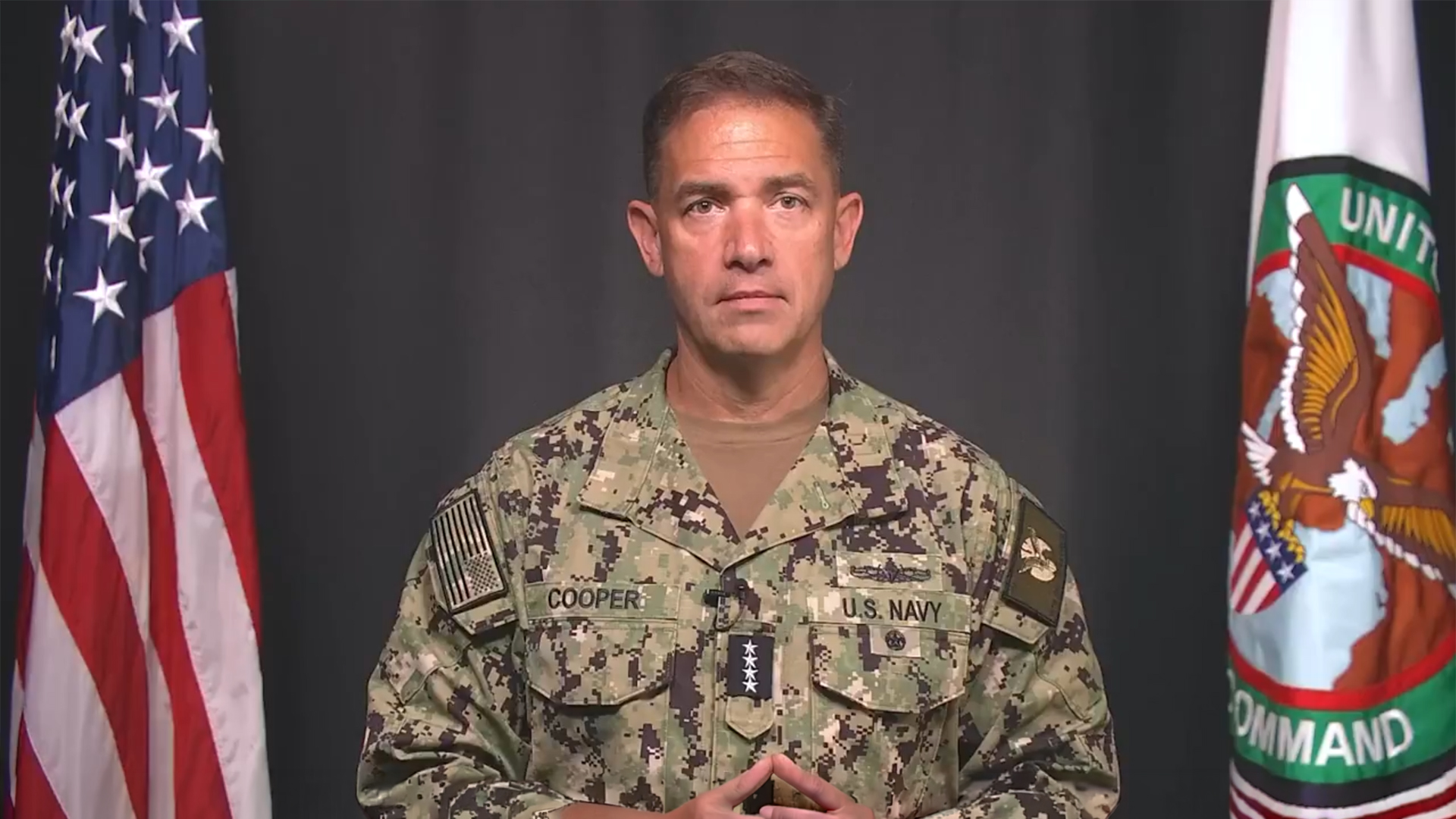
In a video message published Saturday evening, CENTCOM Commander Admiral Brad Cooper said U.S. forces had supported the movement of the oil while assisting more than 2,000 commercial ship transits through the strategic waterway.
“CENTCOM forces have supported more than one billion barrels of crude oil leaving the Gulf,” Cooper said, describing the milestone as a significant achievement by U.S. service members and regional partners.
Cooper said the primary transit lanes through the Strait of Hormuz are now clear of mines and that thousands of ships have passed through the waterway.
He also claimed that Iran had exported “zero barrels” during the period, attributing the situation to what he described as an “ironclad blockade.”
The Strait of Hormuz, a narrow waterway between Iran and Oman, is one of the world's most important energy corridors, carrying a substantial share of global oil and liquefied natural gas shipments from Gulf producers.
Despite the progress, Cooper said CENTCOM remained focused on increasing the volume of commercial traffic through the strait, working with U.S. government agencies, the six members of the Gulf Cooperation Council (GCC), as well as insurance and shipping companies.
“The volume of crude oil, cargo, and liquid natural gas these past two weeks is higher than at any point in the past six months,” Cooper said.
He said U.S. forces were also working with regional partners to strengthen air-defense capabilities, establish a new coalition attack-drone unit, and keep the Strait of Hormuz and surrounding waters open and clear.
Cooper highlighted the role of U.S. military personnel involved in the operations, saying the average American service member carrying out the work is in their mid-20s and comes from a wide range of military specialties, including pilots, maintainers, logisticians, culinary specialists, air defenders and intelligence analysts.
“To all our service members and partners: stay focused and keep up the great work,” Cooper said.
The CENTCOM commander’s remarks come as efforts continue to maintain commercial shipping through the Strait of Hormuz amid heightened regional security tensions and disruptions to energy flows.
The waterway connects the Gulf with the Gulf of Oman and the Arabian Sea and is a critical route for oil and gas exports from Gulf countries to international markets.