Kurdistan Region Marks Ninth Anniversary of Independence Referendum
The referendum followed a decision reached on June 7, 2017, when senior representatives of Kurdish political parties and the KRG, together with President Masoud Barzani and other senior officials, agreed to hold the vote and established a High Council to oversee the process.
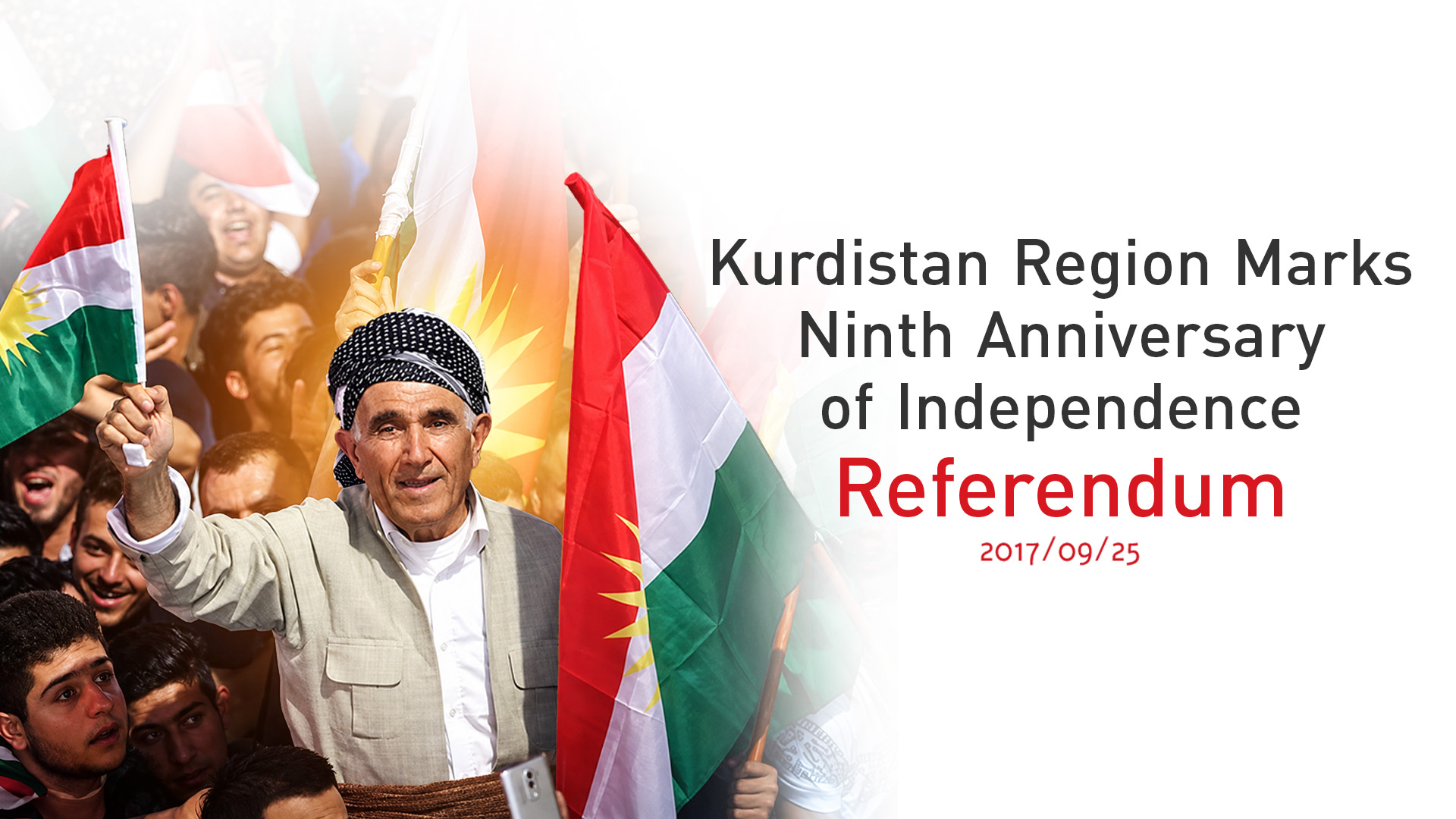
ERBIL (Kurdistan24) — Nine years ago, on September 25, 2017, the people of the Kurdistan Region and Kurdistani areas outside the Region’s administration voted in a referendum on independence from Iraq, with more than 92 percent of participating voters casting their ballots in favor.
On Thursday, citizens across the Kurdistan Region marked the ninth anniversary of the referendum by sharing photographs and memories from the campaign and voting day on social media.
The referendum followed a decision reached on June 7, 2017, when senior representatives of Kurdish political parties and the Kurdistan Regional Government (KRG), together with President Masoud Barzani and other senior officials, agreed to hold the vote and established a High Council to oversee the process.
The council included representatives from the Kurdistan Democratic Party (KDP), Patriotic Union of Kurdistan (PUK), Kurdistan Islamic Union, Kurdistan Islamic Movement, Kurdistan Toilers' Party, Kurdistan Communist Party, Socialist Party, and other political groups.
The council set September 25, 2017, as the date for the referendum, which was to be held both within the Kurdistan Region and in Kurdish areas outside its administration.
On September 15, the Kurdistan Parliament approved the referendum by a majority vote. The Kurdistan Region’s High Electoral and Referendum Commission was responsible for organizing and overseeing the vote.
Referendum results
According to figures from the referendum, 4,561,255 people were eligible to vote, while 3,305,925 participated, representing a turnout of more than 72 percent.
Of those who voted, 2,861,471 — more than 92 percent — voted “Yes” to independence. The Kurdistan Region Presidency also records the result as more than 92 percent in favor of independence.
The referendum was presented by its organizers as an expression of the Kurdish people’s right to self-determination and as the outcome of decades of political struggle and conflict between Kurdish political movements and successive governments in Baghdad.
Kurdish officials and political leaders at the time argued that repeated disputes with Baghdad, including disagreements over constitutional rights and the status of Kurdistani areas outside the Kurdistan Region’s administration, had contributed to the decision to hold the vote. President Masoud Barzani described the referendum as a decision of the people of Kurdistan rather than of a single political party.
The referendum campaign also invoked the history of Kurdish suffering under successive Iraqi governments, including the Anfal campaign, forced displacement, the destruction of villages and the use of chemical weapons against Kurdish civilians.
After the referendum
The Iraqi federal government rejected the referendum and did not recognize its result. The vote was followed by a sharp deterioration in relations between Baghdad and Erbil.
On October 16, 2017, Iraqi forces and Popular Mobilization Forces advanced into Kirkuk and other Kurdistani areas outside the Kurdistan Region’s administration. Peshmerga forces withdrew from several positions, while large numbers of Kurdish residents were displaced from some areas.
The events marked a major turning point in relations between the Kurdistan Region and the federal government and remain a significant part of the political history of modern Kurdistan.
Nine years after the vote, photographs from the referendum campaign and voting day continue to circulate on social media, with many citizens recalling September 25, 2017, as a defining moment in the modern political history of the Kurdistan Region.