G7 Agrees To Release 100 Million Barrels Of Diesel And Crude
G7 leaders agreed to coordinate the release through the International Energy Agency over four months while pledging not to restrict energy exports between member states.
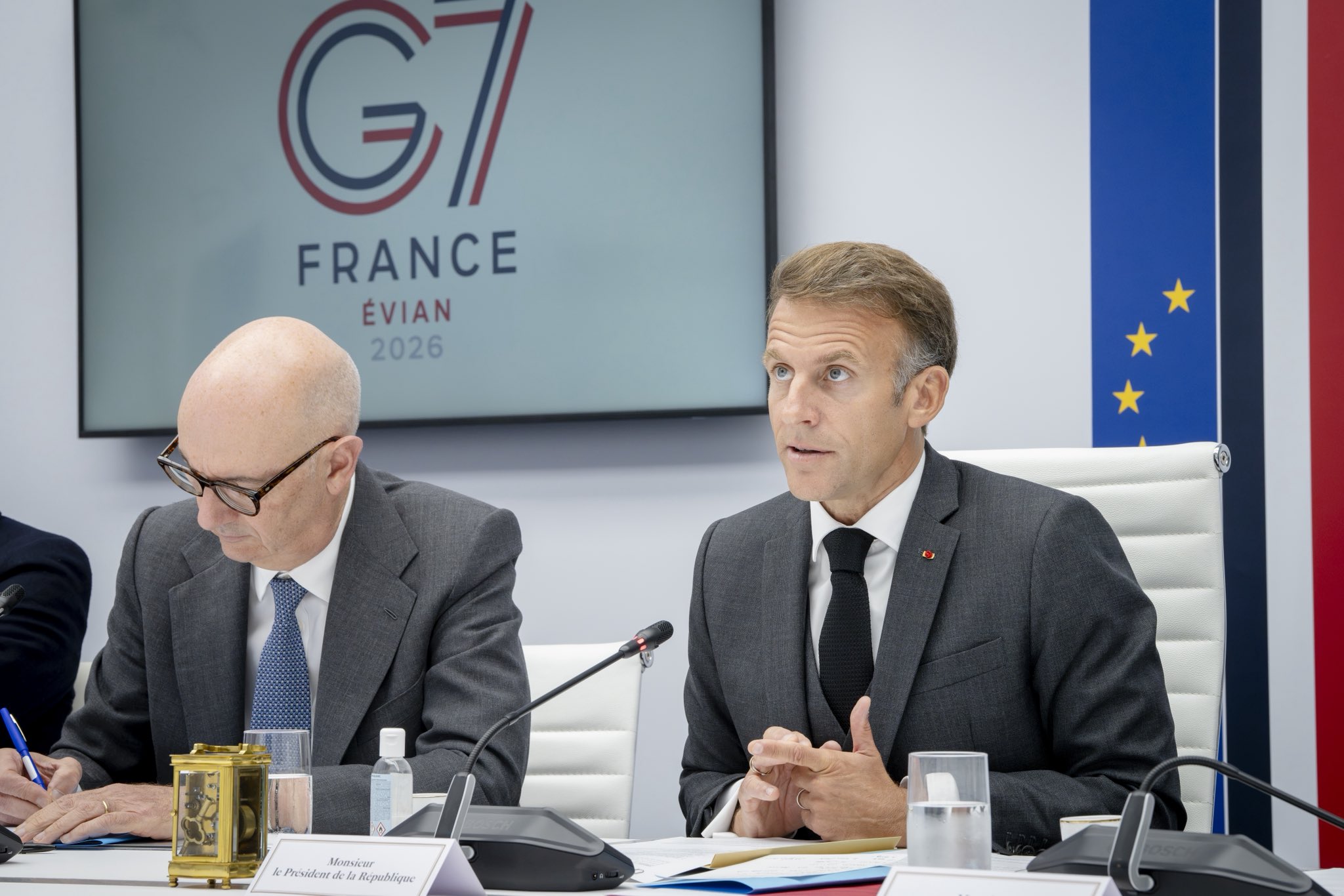
ERBIL (Kurdistan24) - The Group of Seven (G7) countries agreed Friday to release 100 million barrels of diesel and crude oil from their reserves over four months, as leaders sought coordinated action to address concerns over fuel prices and energy market tensions.
The agreement calls for a coordinated release through the International Energy Agency (IEA) to begin immediately, with a substantial portion of diesel released during the first 20 days, according to a joint statement issued by the office of French President Emmanuel Macron.
The G7 leaders also agreed not to impose restrictions on diesel exports between member states.
“We reaffirm our commitment to refrain from export restrictions on energy and energy products between G7 countries and call on all producers to refrain from imposing bans that could exacerbate market tensions,” the leaders said.
“Our citizens' concerns about energy prices remain a top priority,” they added, saying they would closely monitor developments and remain prepared to adjust their measures if necessary.
The announcement followed talks among G7 leaders to coordinate action on fuel prices after the United States increased pressure on European countries to release their strategic reserves, including by raising the possibility of a ban on diesel exports.
French President Emmanuel Macron convened a video call with G7 leaders after speaking with US President Donald Trump.
The G7 comprises France, the United States, the UK, Japan, Canada, Germany and Italy.
Trump has raised the possibility of banning US diesel exports. Diesel is widely used in trucks and other hauling vehicles, while the European Union relies heavily on fossil fuel imports.
The G7 leaders said they would continue monitoring energy market developments and adjust their response as needed.