Iran-Iraq Flights Resume With 40 Daily Flights Allowed To Najaf
Iraq said Iranian airlines, except Mahan Air, can operate up to 40 daily flights between Iranian airports and Najaf following an understanding with the US.
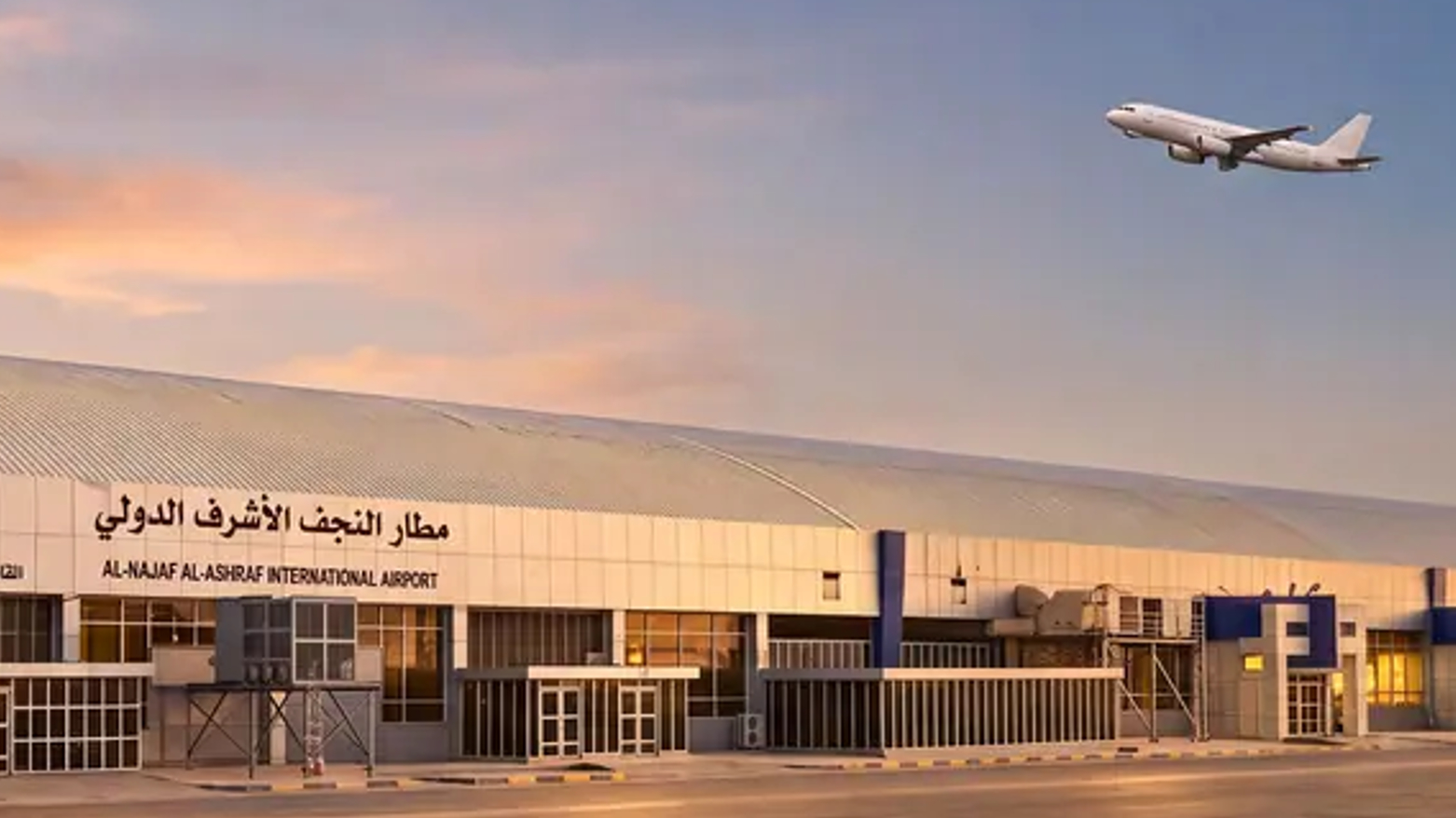
ERBIL (Kurdistan24) - Air travel between Iran and Iraq has resumed after Iraq reached an understanding with the United States allowing up to 40 daily flights between Najaf International Airport and airports in Iran, according to a statement from the Iraqi prime minister’s office.
On Friday, the office of Iraqi Prime Minister Ali al-Zaidi said continued efforts by Zaidi with the US side had resulted in an agreement permitting 40 daily flights to and from Najaf and Iranian airports.
According to the statement, all Iranian airlines except Mahan Air will be permitted to operate daily flights from Iran to Najaf and in the opposite direction.
The Iraqi prime minister praised what he described as the positive response of the US government to Iraq’s efforts and requests, including Washington’s cooperation in granting the requested sanctions exemption.
According to the statement, the exemption would contribute significantly to resolving the issue and facilitating the movement of pilgrims and tourists, particularly those traveling for medical treatment, religious visits and general tourism.
Zaidi said the aviation sector was not simply a means of transportation between two airports, but “a real bridge of communication and understanding between peoples.”
He also highlighted the different groups of travelers affected by the resumption of flights, including patients awaiting access to medical centers, pilgrims traveling to holy shrines, and families seeking to reunite with relatives more easily.
The Iraqi prime minister said the resumption of air travel would also have significant importance for the tourism, economic and social sectors.
Zaidi stressed that Iraq’s foreign relations are guided by what he described as the higher interests of its people, while Baghdad continues to seek balanced, positive and sound relations with countries around the world.
He said Iraq aims to use diplomatic relations to facilitate people’s daily lives and maintain what he described as a bridge of friendship and communication between peoples.
The development comes after the US Treasury Department announced on Sept. 8 that it had imposed sanctions on 36 entities linked to Iran’s aviation sector, including 27 airlines.
In response, Najaf International Airport’s administration had decided, following official instructions from relevant authorities, to suspend all inbound and outbound flights to Iran indefinitely from 2 a.m. on Friday, Sept. 25, 2026.
According to the supplied report, Iraq had been forced to suspend flights with Iran as part of efforts to protect its economy and maintain the flow of dollars.
Najaf International Airport was among the main sites affected by the decision, as it receives millions of Iranian pilgrims and visitors each year traveling to religious shrines.
The suspension also caused significant economic losses for Najaf and prompted political parties close to Tehran to exert considerable pressure on Iraqi Prime Minister Ali al-Zaidi to find a solution.
The resumption of flights now allows air travel between Iran and Najaf to restart under the new arrangement, with up to 40 daily flights permitted and Mahan Air excluded.