IEA Releases 325 Million Barrels of Oil From Strategic Reserves
IEA says members have released 325 million barrels from strategic reserves, over 80 percent of a March pledge, as G7 agrees 100 million barrel release.
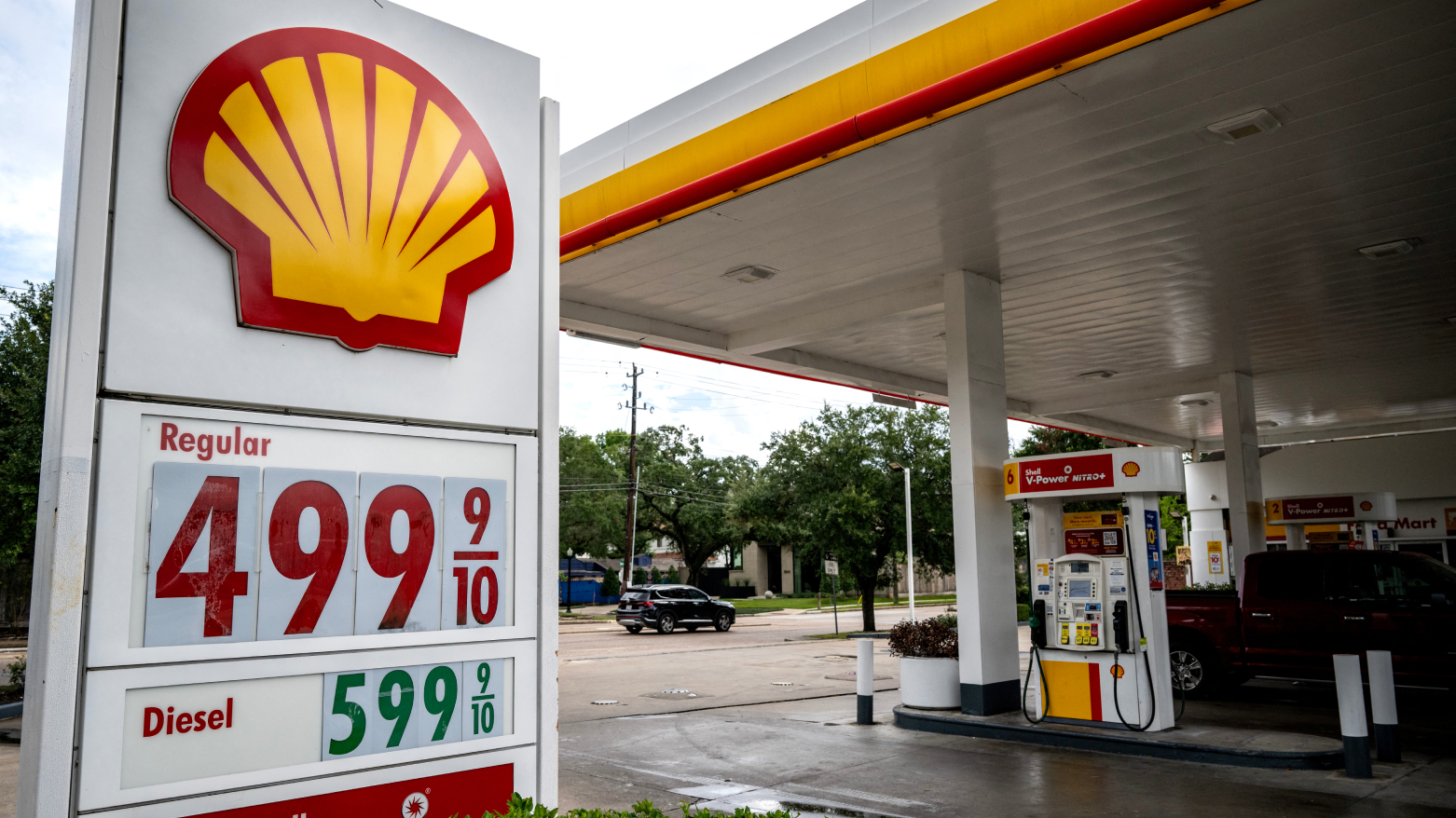
ERBIL (Kurdistan24) - The International Energy Agency (IEA) said Saturday that its member countries have so far released 325 million barrels of oil and oil-derivative products from strategic reserves. That is more than 80 percent of the 400 million barrels promised in March, as the fallout from the US-Iran war continues to unsettle global energy supplies.
In a statement on Saturday, the agency said: "Around 325 million barrels of the IEA collective action announced on 11 March have so far been released, representing over 80 percent of the 400 million barrels originally pledged in the action."
The March pledge came from the IEA's 32 member countries, a grouping that includes all the G7 nations, among them Britain, Canada, Germany, Italy, Japan and the US.
The update came a day after the G7 countries, in coordination with the IEA, agreed to immediately release 100 million barrels of diesel and crude oil to ease global energy supply concerns.
The G7 said the oil and oil-derivative products would be released over the next four months, "including a frontloaded substantial diesel release within the first 20 days."
The group did not say whether the 100 million barrels include the outstanding 75 million barrels from the March IEA commitment or come on top of it.
The G7 countries also said there would be no ban on diesel exports among them. That headed off a threat Washington had brandished, and which President Donald Trump later said would not be enacted.
The US government of President Trump has been pressuring allies to release diesel reserves to ease a spike in prices for the fuel, which is being felt in America and elsewhere.
Restricted diesel supplies are one of the consequences of the war in the Middle East, where Iran has been throttling ship traffic through the Strait of Hormuz in retaliation for US and Israeli attacks.
Ukrainian strikes on Russian refineries, part of the fightback against Moscow's strikes, have also affected the market.
With 75 million barrels of the March commitment still outstanding and the G7 silent on how its new 100 million barrels relate to them, the total volume headed to the market over the coming four months remains unclear.