Iran-Iraq Flights to Resume as Baghdad Secures US Sanctions Exemption for Najaf
Iranian and Iraqi airlines to restart direct services after Baghdad secures US waiver for flights serving religious pilgrims and other essential travelers
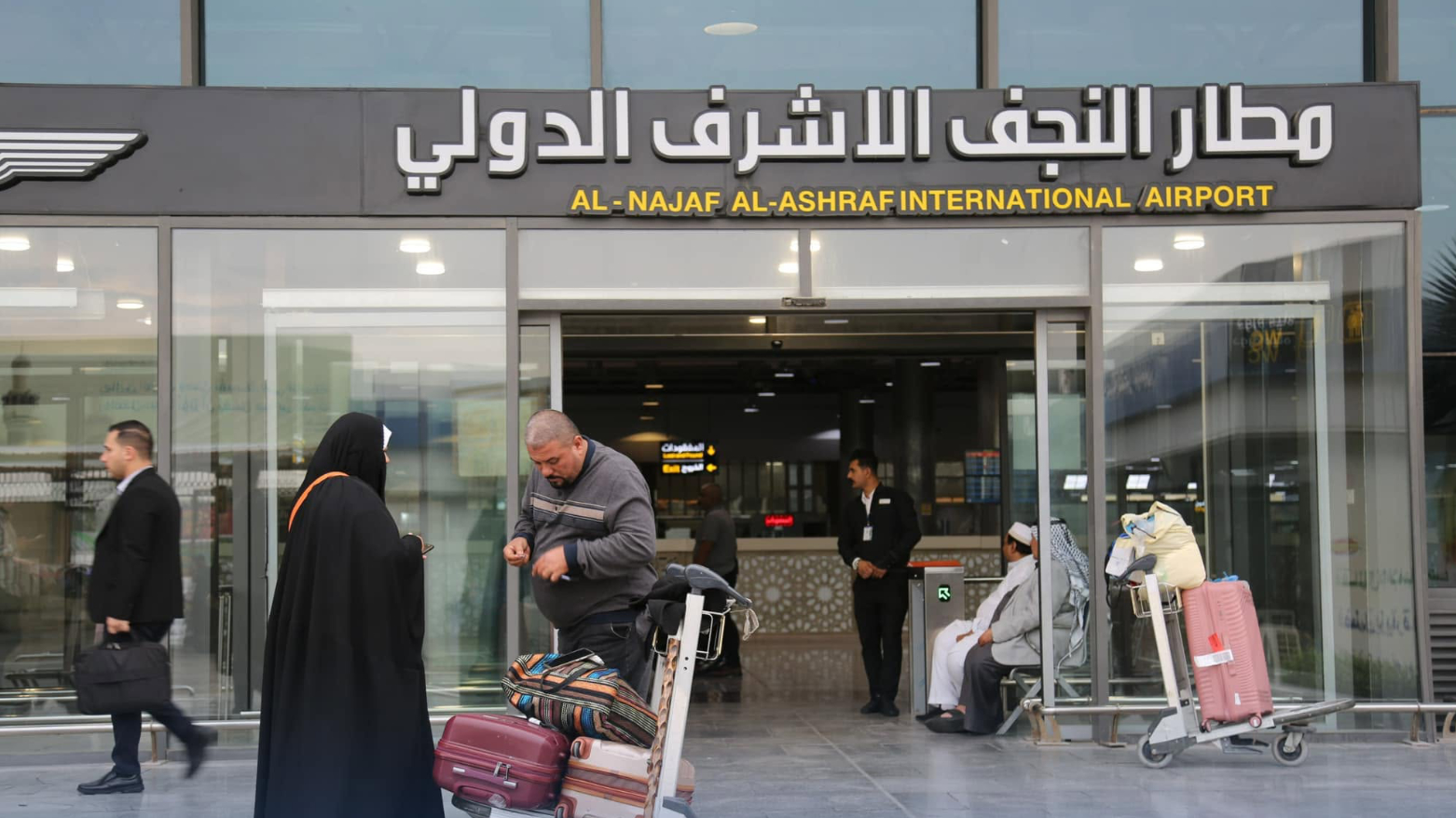
ERBIL (Kurdistan24) — Direct flights between Iran and Iraq are set to resume on Sunday after Tehran and Baghdad coordinated to restart passenger air services, following an agreement allowing Iranian airlines to operate flights to and from Iraq’s Najaf International Airport despite broader US sanctions targeting Iran’s aviation sector.
The head of Iran’s Civil Aviation Organization announced Saturday that direct flights between Iranian and Iraqi airports would officially resume from Sunday according to regular airline schedules, following coordination between the two governments.
Najaf International Airport separately confirmed that Iranian flights would resume Sunday, with three Iranian flights initially scheduled for the evening. The airport said the number of flights is expected to increase gradually in the coming days in line with airline schedules.
The resumption follows intensive diplomatic efforts by Baghdad to secure an exemption from US aviation sanctions for flights serving Najaf, one of Iraq’s most important destinations for religious pilgrimage.
Iraqi authorities announced Friday that an agreement allows Iranian airlines, with the exception of the sanctioned Mahan Air, to operate up to 40 flights a day to and from Najaf International Airport.
Iraqi Prime Minister Ali al-Zaidi welcomed the US response to Baghdad’s request, saying the arrangement would facilitate travel for pilgrims, patients, students and other passengers.
Iraqi Foreign Minister Fuad Hussein said Friday that he discussed the issue directly with US Treasury Secretary Scott Bessent during a meeting in Washington on Thursday.
Hussein said the talks covered US sanctions on Iran and their potential impact on Iraq, with particular attention given to the effect of the restrictions on Najaf International Airport and its importance to Iraq.
According to the Iraqi Foreign Ministry, Hussein stressed the significance of Najaf and requested that flights associated with visits to Iraq’s holy sites be excluded from the sanctions.
Bessent accepted the Iraqi request and expressed agreement to exempt flights connected to religious visits from the restrictions. Baghdad welcomed the decision, describing it as recognition of the importance of religious freedom and the need to facilitate access to Iraq’s holy sites.
The dispute emerged after the United States intensified sanctions against Iran’s aviation sector. On Sept. 8, the US Treasury sanctioned 36 entities and individuals connected to Iran’s aviation industry under its broader “Operation Economic Outcast,” saying the sector was being used to transport weapons, personnel and illicit cargo.
The measures also targeted foreign intermediaries and service providers supporting Iranian airlines.
The restrictions took effect on Sept. 23 and threatened companies outside Iran with secondary sanctions if they provided services to sanctioned Iranian airlines, including fuel, ground handling and ticketing.
US Treasury Secretary Bessent warned that companies providing such services could lose access to the US dollar financial system. The measures prompted the suspension or cancellation of Iranian flights in several countries.
Among the countries affected by the measures, the United Arab Emirates suspended flights operated by Iranian airlines, while Oman, Georgia and Azerbaijan also saw Iranian services suspended or disrupted following the new US sanctions.
Iraq initially suspended Iranian flights at Baghdad, Najaf, Erbil and Sulaimani airports, making it one of the most significant destinations affected by Washington’s aviation restrictions.
Iraq’s suspension was particularly consequential because Iranian airlines have long provided an important air link for religious pilgrims traveling to Najaf and other holy cities.
After the restrictions took effect, flights between Iran and Iraq were disrupted and passengers were forced in some cases to rely on lengthy land journeys. The Iraqi government subsequently sought a humanitarian exemption from Washington covering medical, educational and religious travel.
The agreement on Najaf provides Baghdad with a limited exemption while the broader US sanctions on Iran’s aviation sector remain in place.
Reuters reported that the initial arrangement was designed to allow flights for essential travel under safeguards proposed by Baghdad, including passenger screening and information sharing to prevent the transport of weapons, sanctioned individuals or illicit funds.
The resumption of flights comes amid wider efforts by the Iraqi government to balance its relations with Washington and Tehran while limiting the economic and civilian consequences of the US-Iran confrontation.
For Baghdad, maintaining access to Najaf is particularly significant because of the airport’s role in international religious travel and its importance to Iraq’s tourism and wider services economy.