Iraq Central Bank Says Dinar Rate Adjustment Aims to Protect Financial Stability
The CBI announced that, effective Oct. 7, the Finance Ministry would purchase US dollars at 1,500 Iraqi dinars, while banks would receive dollars at 1,510 dinars and the cash selling rate to the public would be 1,520 dinars per dollar.
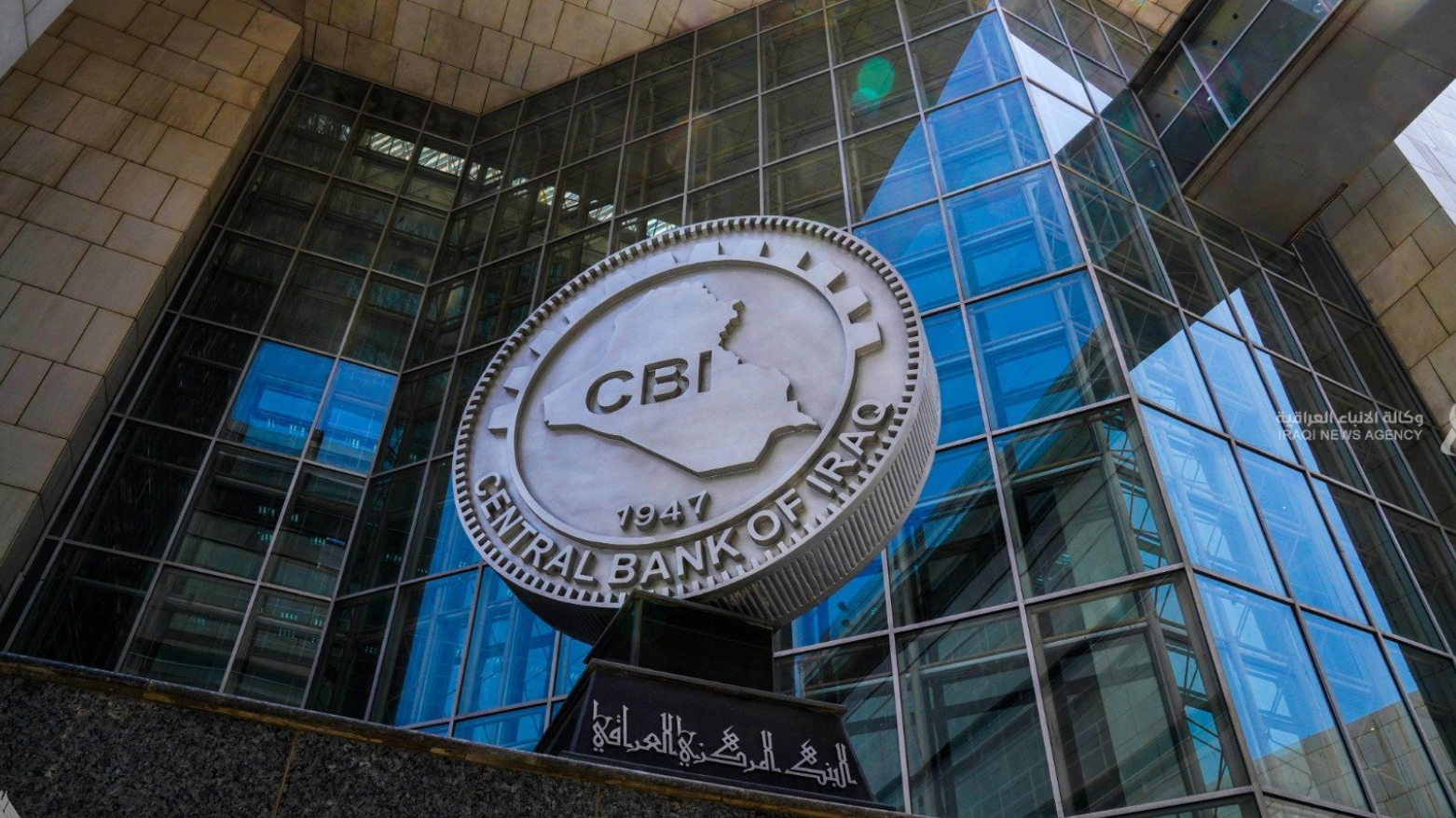
ERBIL (Kurdistan24) — The Central Bank of Iraq (CBI) said on Wednesday that its decision to adjust the Iraqi dinar’s exchange rate against the US dollar was an exceptional precautionary measure aimed at securing the government’s financial needs, protecting financial stability, and supporting domestic production.
The CBI announced that, effective Oct. 7, the Finance Ministry would purchase US dollars at 1,500 Iraqi dinars, while banks would receive dollars at 1,510 dinars and the cash selling rate to the public would be 1,520 dinars per dollar.
Haider Ghazi, the CBI’s media director, said in an interview with Al-Iraqiya TV that Iraq was facing an “exceptional and sensitive” financial situation amid the closure of the Strait of Hormuz and disruptions to oil exports, which have significantly reduced state revenues.
He said the government had previously resorted to borrowing from the Central Bank, warning that continued borrowing could lead to an accumulation of debt and underscoring the need for a serious reassessment of Iraq’s financial position.
Ghazi acknowledged that changing the exchange rate would have consequences for the economy, but said the decision was taken to prevent potentially greater losses if the previous exchange-rate policy had continued.
The adjustment comes as Iraq faces growing pressure on its oil-dependent public finances. Oil revenues account for roughly 90 percent of the country’s state budget, while disruptions to crude exports have reduced the government's income.
The CBI said the new exchange-rate policy is also intended to improve the competitiveness of Iraqi products. Ghazi said local industries had previously struggled to compete with cheap imported goods, arguing that the adjustment could help revive domestic production and reduce reliance on imports.
The Central Bank itself said the measure would support Iraqi products, encourage investment in non-oil productive sectors, expand factories and companies, and create employment opportunities, particularly for small and medium-sized businesses.
Addressing the gap between the official exchange rate and prices in the parallel market, Ghazi attributed the difference to commercial transactions conducted outside official procedures.
He said dollars were frequently purchased through the market to finance imports that bypass official customs, tax and inspection procedures, contributing to demand for foreign currency outside regulated channels.
Ghazi added that the government was working to strengthen border controls and inspections to ensure that imported goods enter the country through official and legal channels.
The CBI has previously said that it has sufficient foreign-currency reserves to meet legitimate demand for trade financing, card settlements and cash dollars for travelers at the official rate. It attributed earlier increases in the parallel-market exchange rate partly to speculation and geopolitical uncertainty.
The latest measure represents a 14.5 percent devaluation from the previous official rate of 1,320 dinars per dollar, according to Reuters. The move is expected to increase the dinar value of oil revenues received by the government, while also raising the local-currency cost of imports.