Iraq Says Syrian Side Must Protect Fuel Tankers
Iraq's Oil Ministry says it has not officially confirmed reported attacks on fuel tankers from Syria, while stressing that convoy security is the responsibility of the Syrian side.
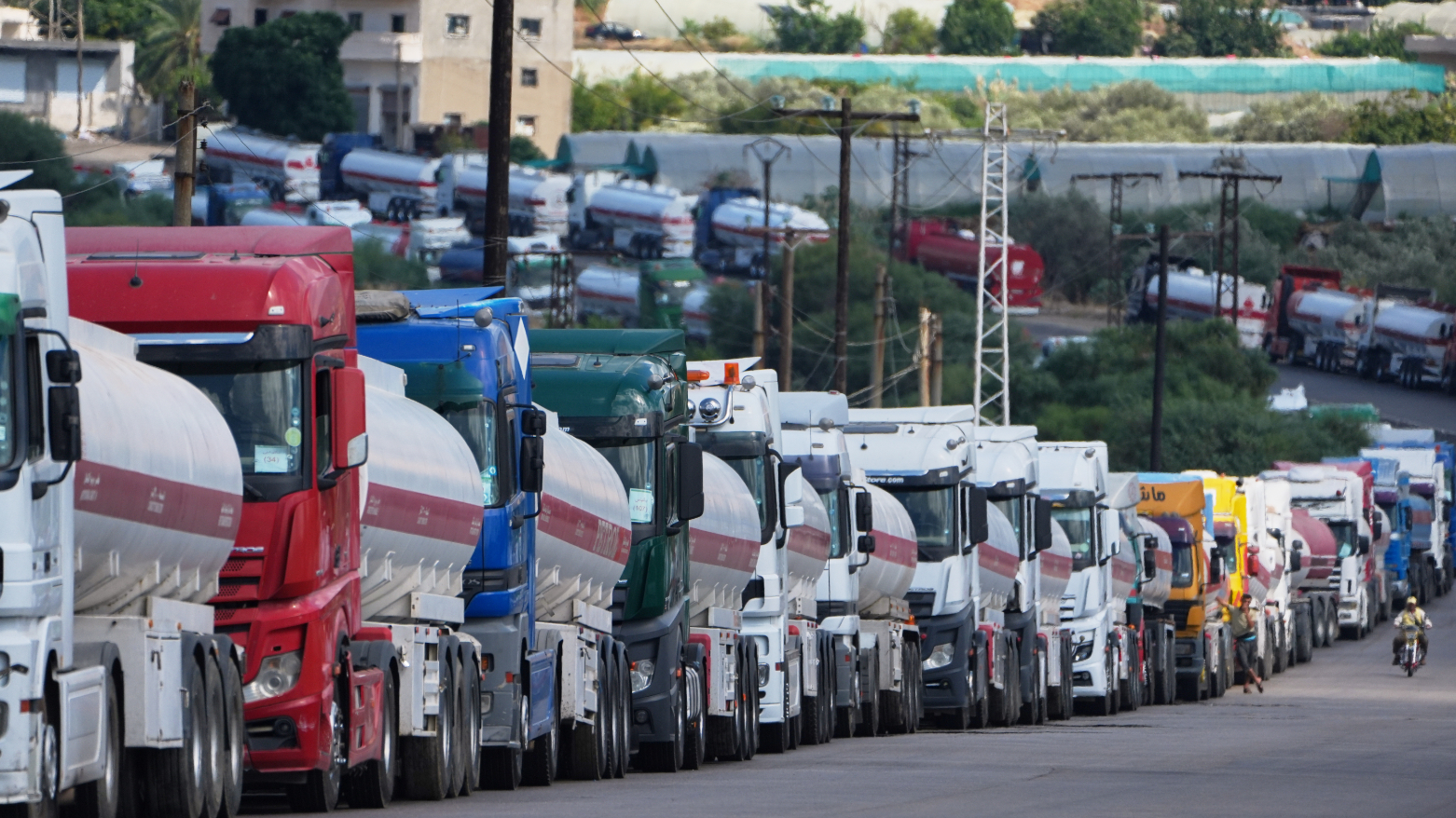
ERBIL (Kurdistan24) - Reports that fuel tankers transporting supplies from Syria to Iraq have come under attack are raising new concerns over the security of a route Baghdad is relying on to ease its gasoline shortage, although Iraq's Oil Ministry says it has not yet received official confirmation of the incidents.
Salim al-Rukabi, spokesperson for Iraq's Oil Ministry, told Kurdistan24 exclusively that the ministry was aware of the reports but had not received formal information confirming that the convoys had been attacked.
Reports have suggested that ambushes may have been prepared along routes used by the tankers.
Rukabi said that under the agreement governing the shipments, responsibility for protecting the convoys while they are outside Iraqi territory rests with the Syrian side.
The expectation, he added, is that the tankers should reach Iraq without encountering security obstacles.
The reports have drawn attention to the practical risks surrounding a supply arrangement that has become increasingly important to Iraq in recent weeks.
Baghdad began importing gasoline from Syria in September as domestic production remained below national demand.
According to earlier Kurdistan24 reporting, the first convoy arrived from Syria on Sept. 24 and consisted of 57 gasoline tankers.
Authorities have since been working to expand the flow, with a target of as many as 200 tankers per day entering Iraq from Syria.
The imports are intended to help close a persistent gap between Iraq's gasoline consumption and local refinery output.
Available figures show that Iraq consumes between 32 million and 33 million liters of gasoline daily, while domestic production currently stands at around 27 million to 28 million liters.
That leaves a shortfall of several million liters each day.
The Syrian shipments, together with imports arriving through other routes, are being used both to meet immediate consumer demand and to strengthen Iraq's strategic fuel reserves.
Against that background, any sustained disruption to the tanker route could place additional pressure on supply.
The current reports remain unconfirmed by Iraq's Oil Ministry, but they underline a broader issue facing cross-border fuel imports: commercial agreements alone are not enough if transport corridors cannot be kept secure.
The border areas linking Syria and Iraq have repeatedly experienced conflict and instability, making protection of drivers, vehicles and cargo a central part of maintaining the route.
An attack on a fuel tanker also carries risks beyond the loss of the shipment itself because of the danger of fire or explosion.
For Iraq, the route is particularly significant because the country continues to face a structural shortage of refined gasoline despite being a major crude oil producer.
The problem is not a lack of crude, but insufficient capacity to refine enough of it into finished petroleum products for domestic consumption.
Aging infrastructure, limited refining capacity and rising demand have all contributed to the gap.
For now, Iraq is relying on imports to bridge that deficit.
That makes security along the Syria-Iraq transport corridor increasingly important.
Rukabi's comments indicate that Baghdad expects Damascus to ensure the convoys move safely until they cross into Iraqi territory.
Until official information emerges, however, the reported attacks remain unverified.
The Oil Ministry's immediate position is therefore one of monitoring the situation while emphasizing that responsibility for protecting the tankers on the Syrian side lies with Syrian authorities.