Houthis Claim Six Strikes On Saudi Targets Including Aramco, Riyadh Airport, And Naval Base
IMO Secretary General tells Fox News 6,000 seafarers have been stranded near Hormuz since hostilities began and calls for a halt to transits pending security guarantees, as Iranian President Pezeshkian meets Lavrov in Tehran to discuss regional developments
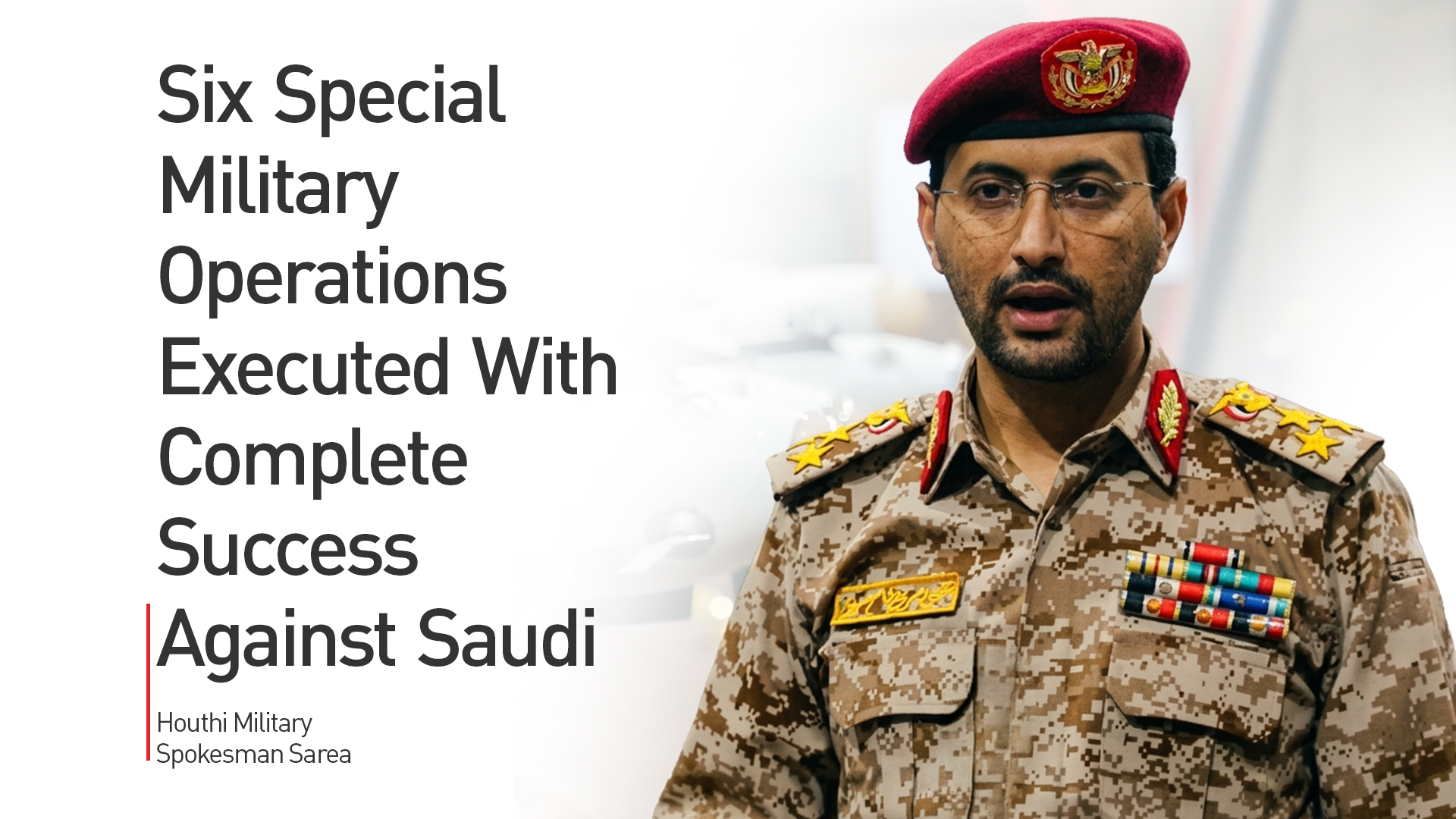
ERBIL (Kurdistan 24) - Houthi military spokesman Brigadier General Yahya Sarea announced on Monday that Yemen's armed forces executed six special military operations with complete success against Saudi targets, including the Aramco facility in Yanbu, a Riyadh international airport, a naval strike force base, and multiple radar installations, as the International Maritime Organization Secretary General told Fox News that approximately 6,000 seafarers have been stranded near the Strait of Hormuz since hostilities began and called for a halt to transits pending security guarantees.
Sarea listed the six operations as follows: a strike on Aramco's facility in Yanbu; a strike on the Shaybah oil field; a strike on King Khalid International Airport in Riyadh; a strike on Abha International Airport that also targeted the Khamis Mushait air base and radars positioned on Al-Husn and Al-Rahma mountains; a strike on a Saudi naval strike force base; and a strike targeting a Saudi radar installation in Bi'r Askar.
The breadth and simultaneous nature of the six claimed operations, spanning oil infrastructure in Yanbu on the Red Sea coast, the Shaybah oil field in the Empty Quarter near the UAE border, Riyadh's main international airport, Abha airport and its associated air base in the southwest, a naval base, and a radar installation, represents the most geographically dispersed single Houthi operational announcement against Saudi Arabia since the conflict began.
IMO: 6,000 Seafarers Stranded
The IMO Secretary General told Fox News that approximately 6,000 seafarers have been stranded near the Strait of Hormuz since the start of hostilities, describing the international shipping situation as still dangerous and critical. The Secretary General said the organization called for ships to refrain from transiting Hormuz before receiving security guarantees. The figure of 6,000 stranded seafarers adds a major humanitarian dimension to the Hormuz crisis that has previously been framed primarily in terms of oil volumes and economic impact.
Pezeshkian Meets Lavrov
Iranian President Masoud Pezeshkian met Russian Foreign Minister Sergei Lavrov in Tehran on Monday to discuss the latest regional and international developments, the Iranian presidency confirmed. The meeting followed Lavrov's separate session earlier in the day with Iranian FM Araghchi, in which the two sides confirmed Russian specialists are gradually returning to the Bushehr nuclear power plant, aligned on rejecting military solutions to regional issues, and expressed joint concern about attacks on Iranian and Russian ships in the Caspian Sea.
The Houthi strikes on Saudi targets, the IMO's humanitarian warning about stranded seafarers, and Pezeshkian's meeting with Lavrov all occurred on the same Monday that IRGC spokesman Mohebbi claimed Iran had routed the world's greatest superpower and that Secretary Rubio told Breitbart News that 13 to 14 million barrels of oil are transiting Hormuz daily under American military escort. The conflict's multiple simultaneous fronts are producing a daily accumulation of escalatory actions and competing narratives that show no sign of resolving toward a negotiated settlement in the near term.