Nujaba Rejects Disarmament as Baghdad Faces Pressure to Bring Militias Under State Control
In a post on X, Karbalai said terms such as “surrender,” “abandonment,” and “disarmament” had no place in the movement's vocabulary, describing its weapons as the “sacred weapons of the resistance.”
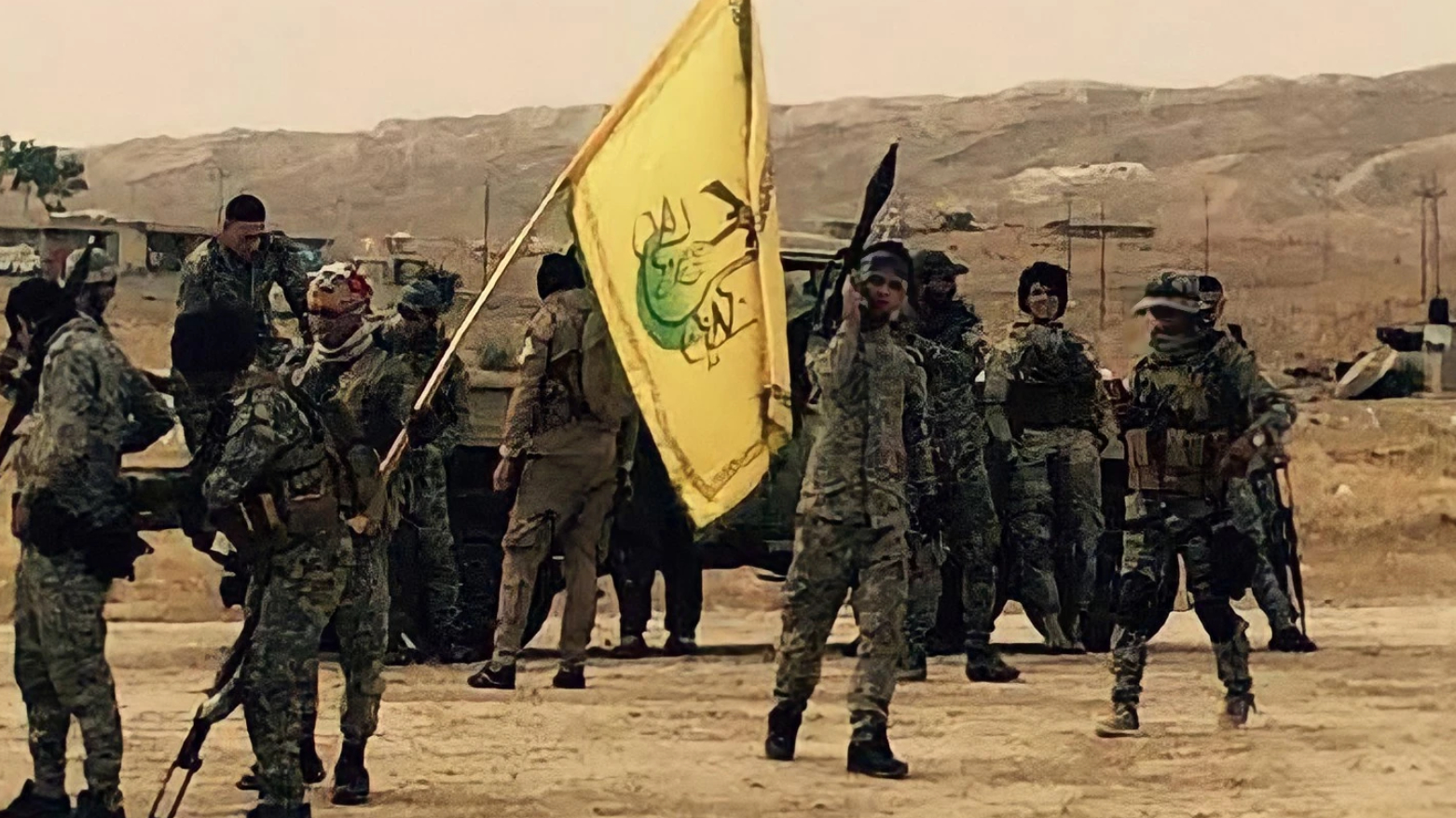
ERBIL (Kurdistan24) — Abdul Qadir Karbalai, a military deputy to the Harakat al-Nujaba movement, said on Wednesday that surrendering weapons was not part of the group's ideology, reaffirming its refusal to hand over its arsenal to the Iraqi government amid growing pressure to bring armed factions under state control.
In a post on X, Karbalai said terms such as “surrender,” “abandonment,” and “disarmament” had no place in the movement's vocabulary, describing its weapons as the “sacred weapons of the resistance.”
Karbalai said his remarks were intended to correct what he described as inaccurate reports circulated by some media outlets. He also reiterated that Nujaba would not participate in the political process or join the Iraqi government, adding that the movement would remain alongside the public and defend their rights.
His statement comes as Prime Minister Ali al-Zaidi's government faces mounting pressure to bring weapons held by armed factions under the control of official state institutions, amid efforts to consolidate Iraq's security authority following the withdrawal of US-led coalition forces.
Disarmament Dispute Complicates Baghdad's Efforts
The dispute has intensified following reports that several armed factions proposed suspending their military activities for up to two years rather than immediately surrendering their weapons and ammunition depots.
According to information reported by the Arabic-language outlet The New Arab, citing three Iraqi political sources, the proposal was submitted to al-Zaidi's government. The factions reportedly sought guarantees for the safety of their leaders and assurances that they would not be targeted in the future.
Kata'ib Hezbollah was among the groups reportedly backing the arrangement. However, an Iraqi lawmaker cited in the report said the government rejected the proposal, viewing it as an attempt to avoid legal obligations concerning state sovereignty and the control of weapons.
Negotiations have reportedly continued through Iraqi intermediaries, including Hadi al-Amiri, National Security Adviser Qasim al-Araji, and Popular Mobilization Forces (PMF) chief Falih al-Fayyad. Al-Zaidi has not reportedly met directly with faction leaders or their representatives over the proposal.
Armed Factions Remain Divided
Reports indicate that some factions, including Asa'ib Ahl al-Haq and Kata'ib al-Imam Ali, have shown willingness to surrender their weapons, while others remain opposed to disarmament. Muqtada al-Sadr has also previously dissolved his armed group, Saraya al-Salam, as part of efforts to integrate its fighters into state institutions.
Kata'ib Hezbollah, Harakat al-Nujaba, and Kata'ib Sayyid ul-Shuhada, are among the groups reportedly resisting demands to relinquish their arsenals.
Unofficial estimates cited by a former Iraqi government adviser put the combined number of fighters belonging to the three factions at around 30,000 or more. However, their precise membership figures and weapons inventories remain unclear.
The PMF's legal status further complicates the issue. Although it is a state-recognized institution under Iraqi law, some factions operating within its framework maintain separate leadership structures and military capabilities.
Washington has also argued that formally registering weapons under the PMF would not be sufficient if individual factions retained effective operational control.
Karbalai's remarks underscore the challenges facing Baghdad as it seeks to establish the state's authority over all weapons while avoiding a confrontation with powerful armed groups, some of which maintain close ties to Iran.