Iraq Security Council Reviews Air Defenses, Protection of National Airspace
The meeting also addressed the reorganization of security forces and efforts to enhance their capabilities in response to current challenges.
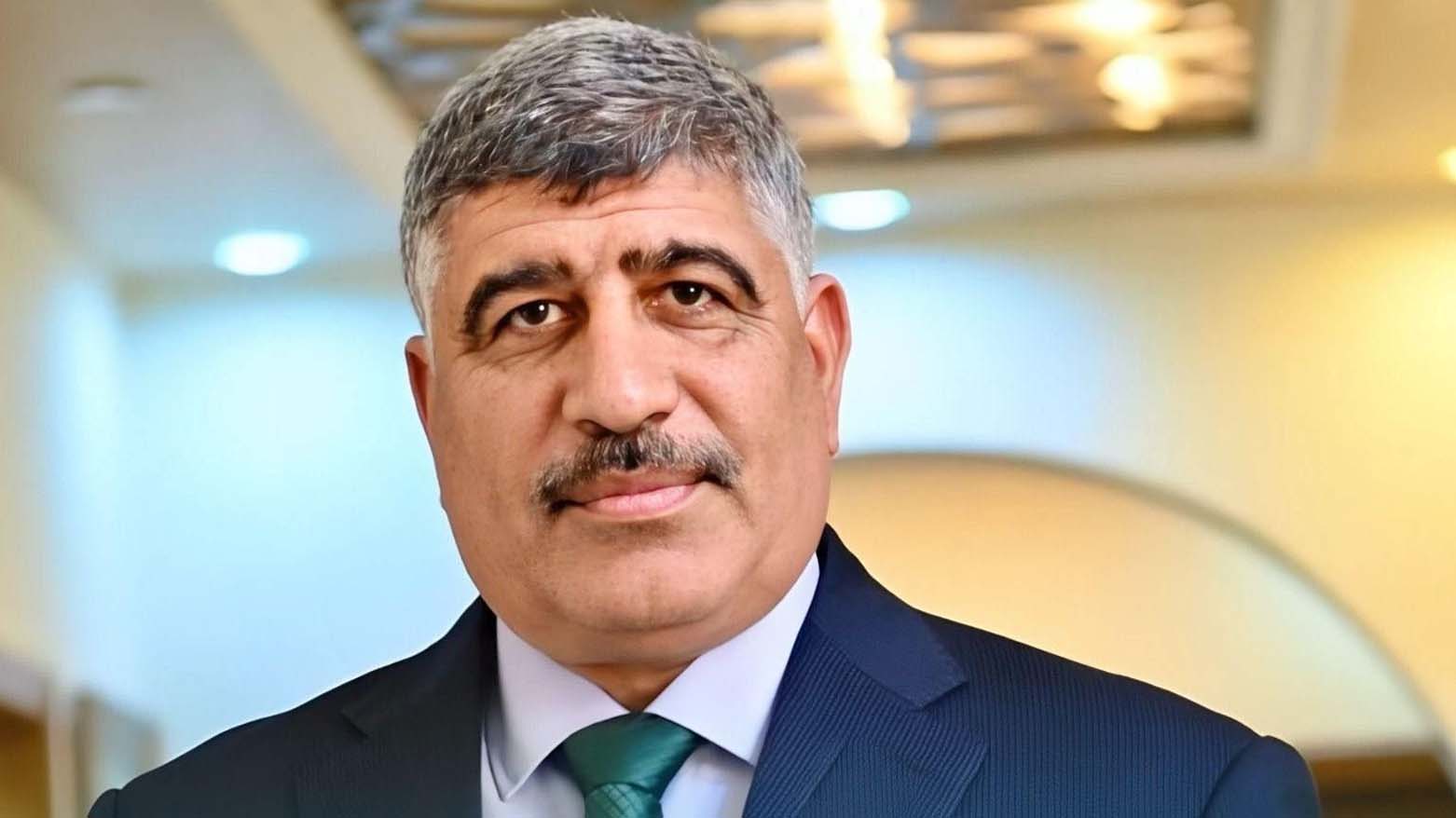
ERBIL (Kurdistan24) — Iraq’s National Security Council met on Thursday, under the chairmanship of Prime Minister and Commander-in-Chief of the Armed Forces Ali al-Zaidi, to review the country’s security situation, with a particular focus on strengthening air defense systems and protecting Iraqi airspace.
Sabah al-Numan, spokesperson for the Commander-in-Chief of the Armed Forces, said in a press release that the council reviewed security plans and ongoing operations before issuing a series of decisions and recommendations deemed necessary to address the country’s security requirements.
The meeting also addressed the reorganization of security forces and efforts to enhance their capabilities in response to current challenges. Officials placed particular emphasis on developing Iraq’s air defense systems and strengthening the capabilities of its air force to safeguard national sovereignty and protect the country’s airspace.
The council also discussed the regulation of public demonstrations, stressing that protests must be legally authorized and peaceful, in accordance with the Iraqi Constitution. At the same time, it emphasized that security agencies must prioritize the humane treatment of demonstrators and ensure their safety.
Iraq faces ongoing security challenges as regional tensions and the risk of cross-border escalation place greater importance on protecting its airspace and strengthening its defense capabilities. The country’s strategic position between Iran, Türkiye, Syria, Jordan, Saudi Arabia, and the Gulf makes airspace security a significant concern, particularly during periods of heightened regional conflict.
The development of effective air defense systems and the modernization of military capabilities are important to Iraq’s efforts to protect its sovereignty, prevent unauthorized incursions, and respond to potential aerial threats. The reorganization of security forces also forms part of broader efforts to improve coordination and readiness among the country’s security institutions.
Meanwhile, balancing public order with the constitutional right to peaceful protest remains a key responsibility for Iraqi authorities, particularly as security agencies are expected to maintain stability while respecting citizens’ rights.