Iran Says Four Oil Tankers Hit Naval Mines in Strait of Hormuz as Tensions With US Escalate
IRGC claims vessels attempting to cross without Tehran's authorization were destroyed, as Ghalibaf says Americans voted “NO TO WAR” following Democratic gains in the midterm elections
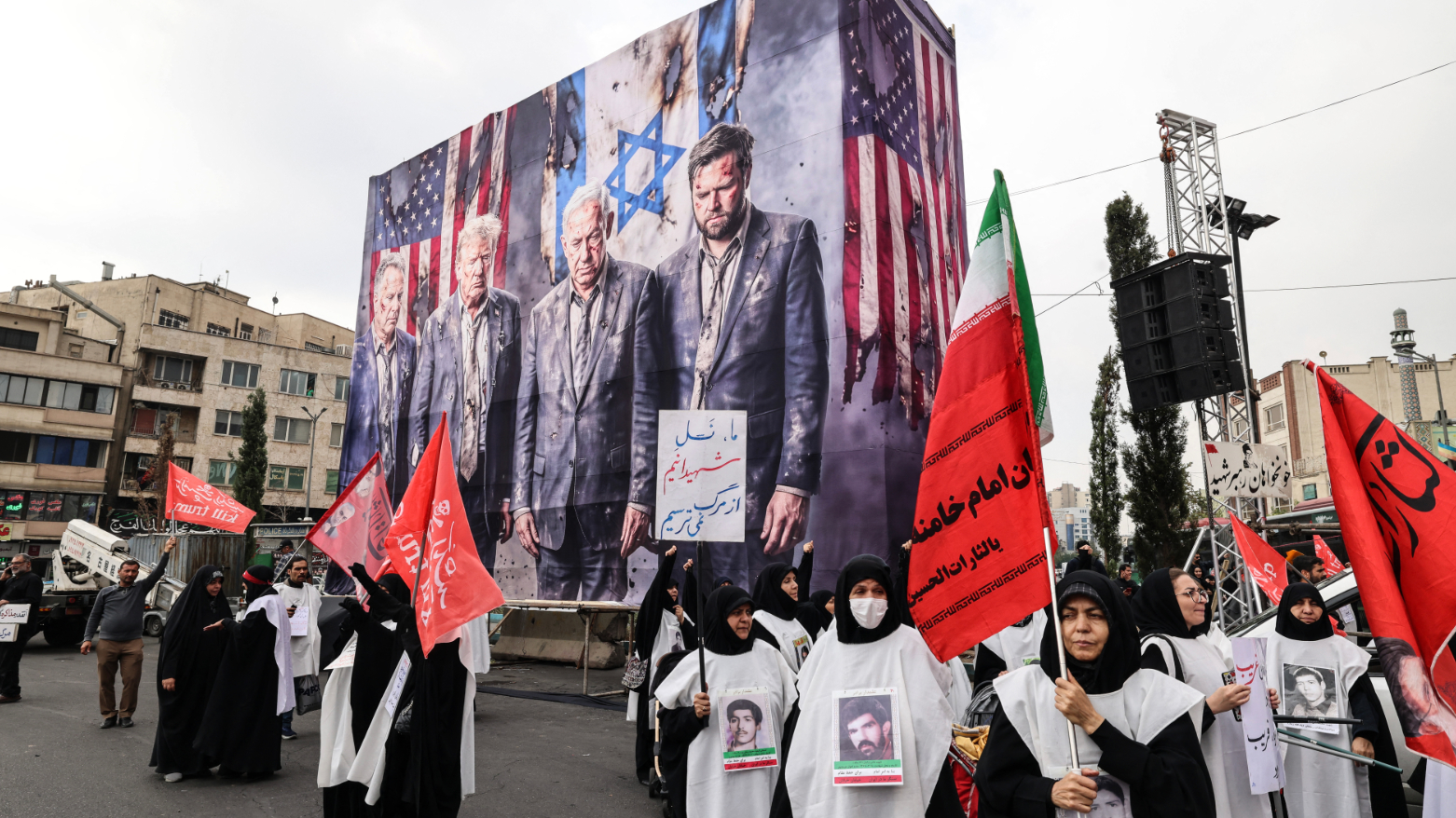
ERBIL (Kurdistan24) — Four oil tankers caught fire after striking naval mines while attempting to cross the Strait of Hormuz, Iran's Islamic Revolutionary Guards Corps (IRGC) said Wednesday, raising fresh concerns over maritime security and global energy supplies amid renewed military tensions between Tehran and Washington.
"Four non-compliant oil tankers attempting to pass through the prohibited passage south of the Strait of Hormuz were destroyed after striking naval mines and are still burning," the IRGC said in a statement carried by Iranian state television.
The Guards added that two other vessels had been stopped and claimed that Iranian forces had shot down a drone over the strategic waterway. The statement did not identify the tankers, their owners, or the nationalities of their crews.
The claims could not be independently verified.
The announcement came a day after US President Donald Trump confirmed that American forces had carried out strikes against Iran, following reports of an attack on Qeshm Island, the largest island in the Strait of Hormuz.
Trump described the operation as a limited strike targeting an Iranian anti-aircraft installation, while playing down speculation that Washington was preparing a broader military campaign.
The latest developments threaten to further undermine an already fragile situation surrounding the strait, through which a substantial share of the world's oil and liquefied natural gas supplies normally passes.
Ghalibaf links US election results to opposition to war
Iran's chief negotiator in talks with the United States, Mohammad Bagher Ghalibaf, on Wednesday interpreted the US midterm election results as a rejection of the war by American voters, following Democratic gains and Republican setbacks.
"Conscience or the cost of living, Americans said NO TO WAR, and we endorse this message," Ghalibaf posted on X.
His remarks came after Democrats routed Republicans in the midterm elections, which were held amid public dissatisfaction with the conflict and concerns over its economic consequences, including rising living costs.
Ghalibaf's comments added a political dimension to Tehran's response to Washington's latest military action, as Iranian officials continue to present the United States with a choice between diplomatic negotiations and renewed confrontation.
Strait remains a strategic flashpoint
Since the conflict erupted in February with large-scale US and Israeli strikes against Iran, Tehran has sought to assert control over the Strait of Hormuz, targeting vessels attempting to cross without its authorization.
The disruption has turned the narrow maritime corridor into one of the conflict's most consequential pressure points, with implications extending well beyond the region.
Any prolonged interruption to shipping could disrupt energy markets, increase transportation and insurance costs, and place additional pressure on countries dependent on Gulf energy exports.
The conflict has remained largely at a stalemate for months, despite continuing indirect contacts between Washington and Tehran through regional mediators.
Iran has indicated its willingness to reopen the waterway, but has conditioned such a move on Washington accepting a series of demands, including an end to the war, the unfreezing of Iranian assets, the lifting of oil sanctions, and an end to US restrictions on Iranian ports.
Ghalibaf struck a defiant tone earlier, saying the Islamic Republic was "ready for battle with its finger on the trigger."
However, President Masoud Pezeshkian maintained that his government was seeking to resolve the confrontation through diplomatic channels.
"No one will benefit from this war" if fighting resumes, Pezeshkian said on Tuesday, underscoring the competing messages emerging from Tehran as military tensions rise and negotiations remain uncertain.
With Washington and Tehran continuing to exchange warnings while maintaining indirect diplomatic contacts, the latest incidents in the Strait of Hormuz risk turning an already fragile confrontation into a wider threat to regional stability and international energy security.