Kurdistan Region's Honey Production Reaches Record 1,000 Tonnes in 2026
On Wednesday, Arif Sherwani, head of the Beekeepers Network Association of the Kurdistan Region, told Kurdistan24 that 2026 had been an exceptionally successful year for local beekeepers, with production reaching 1,000 tonnes.
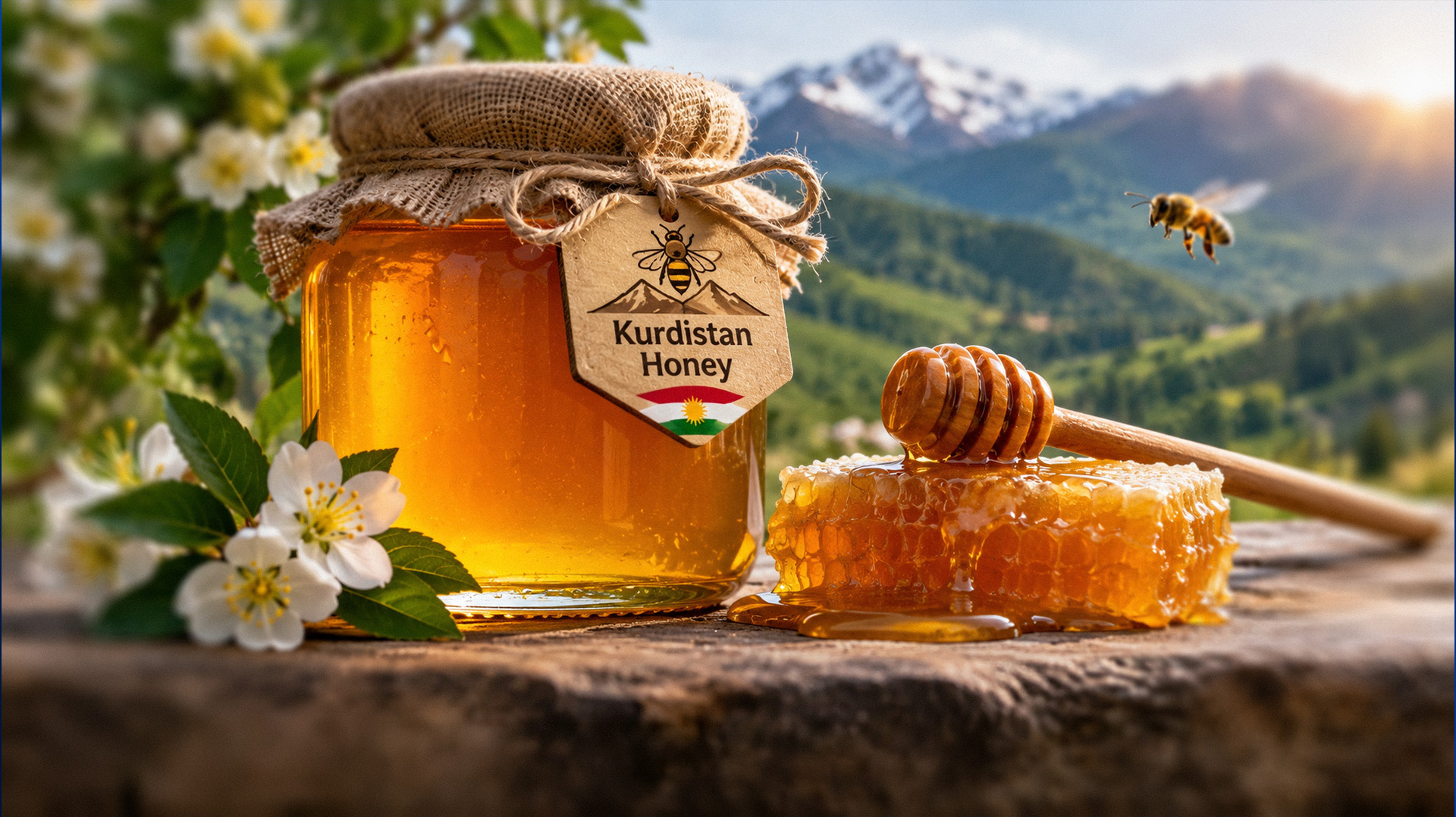
ERBIL (Kurdistan24) – Honey production in the Kurdistan Region has reached a record 1,000 tonnes this year, marking a significant achievement for the region's beekeeping sector and reinforcing its reputation as a leading producer of natural honey.
On Wednesday, Arif Sherwani, head of the Beekeepers Network Association of the Kurdistan Region, told Kurdistan24 that 2026 had been an exceptionally successful year for local beekeepers, with production reaching 1,000 tonnes.
Sherwani said the Kurdistan Region has approximately 15,000 active beekeepers managing around 850,000 beehives. Of these, approximately 800,000 are modern hives, while the remaining 50,000 use traditional methods.
He noted that annual honey consumption in the region ranges between 500 and 600 tonnes, allowing the surplus to be exported to central and southern Iraq, as well as international markets.
Sherwani also highlighted the success of Kurdish beekeepers in regional and international competitions. This year, three Kurdish participants collectively won four medals – two gold and two silver – at an Asian-level competition featuring more than 250 international participants.
Osman Majid, a member of the Arab Beekeepers Union, told Kurdistan24 that the competition was particularly challenging, with strict international standards requiring all participating products to undergo comprehensive laboratory testing in Saudi Arabia before being judged.
Despite extreme temperatures and logistical difficulties in transporting their products, Kurdish beekeepers submitted samples of liquid, comb and crystallized honey, as well as products intended for medicinal and therapeutic purposes. Their entries received highly favorable evaluations.
However, Majid warned that the local honey market faces challenges from imported and artificially produced honey, which has undermined the competitiveness of locally produced products.
He added that the participating beekeepers covered all competition-related expenses themselves, including laboratory tests, travel, accommodation and registration fees, without receiving financial assistance.
Majid called on the Kurdistan Regional Government (KRG) and the Ministry of Agriculture to provide financial and logistical support to local beekeepers to enable greater participation in international conferences and exhibitions.
"With support, instead of participating with four samples, we could submit 50 samples and win more awards. This would further enhance the international reputation of Kurdish honey and open up new opportunities in global markets," he said.
Majid also noted that the Kurdish delegation proudly displayed the Kurdistan flag and wore traditional Kurdish clothing during the event, attracting considerable attention from Arab and international media outlets covering the competition.