Kurdistan Parliament Calls for Full Implementation of Sinjar Agreement
Kurdistan Parliament calls for the full Sinjar Agreement, withdrawal of armed forces and safe Ezidi returns on the 11th anniversary of liberation.
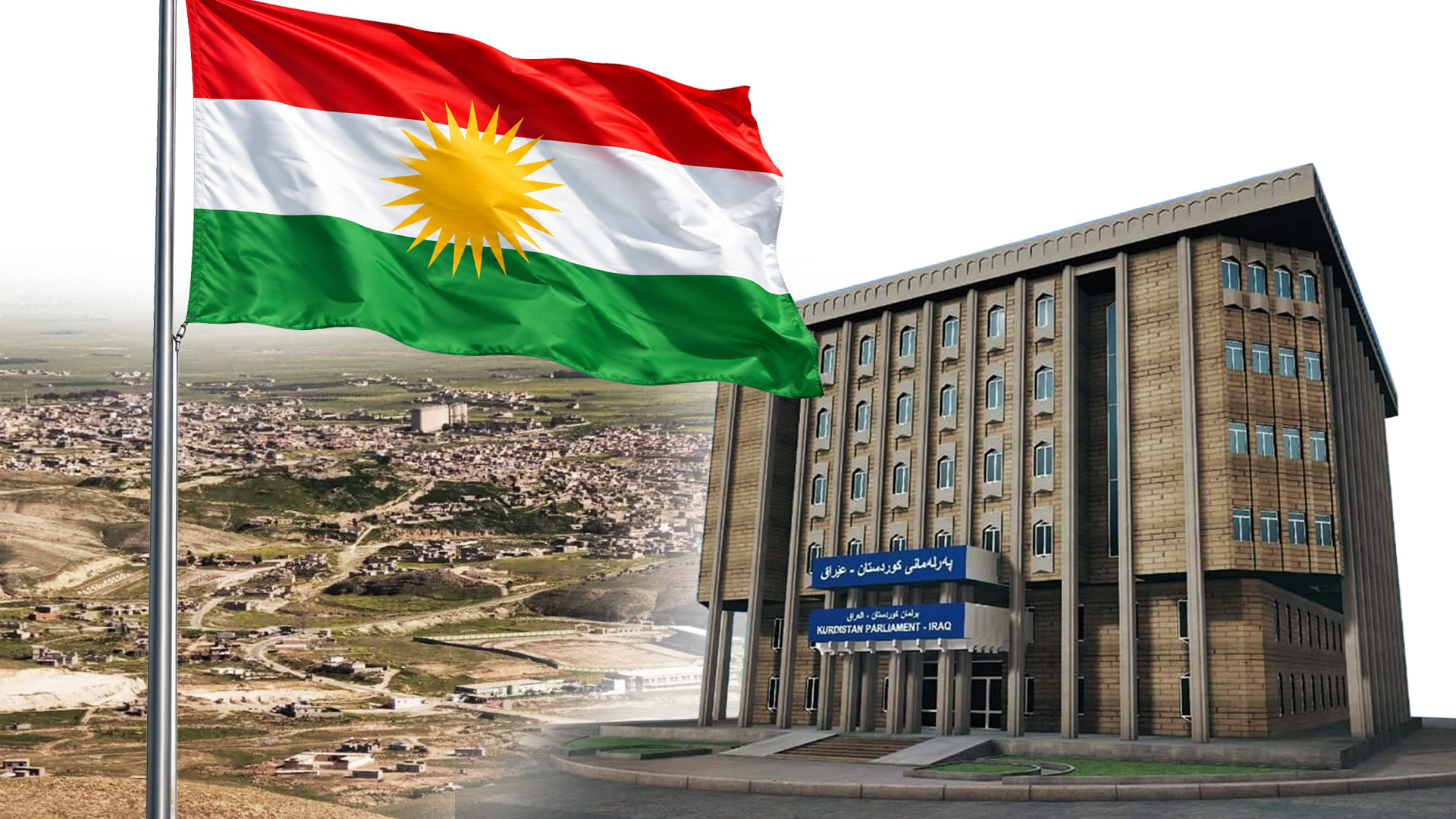
ERBIL (Kurdistan24) - The Kurdistan Parliament Presidency has called for the full implementation of the 2020 Sinjar Agreement, the withdrawal of unauthorized armed forces and the safe return of displaced Ezidis, marking the 11th anniversary of the district's liberation from ISIS with a renewed commitment to protecting survivors' rights.
In a statement issued on Friday, Nov. 13, 2026, the parliamentary leadership paid tribute to the Ezidi community's resilience in the face of genocide and to the Peshmerga forces who retook Sinjar under the field command of President Masoud Barzani on the same date in 2015.
It said defending the constitutional and national rights of Ezidis was an integral part of parliament's work and pledged to continue bringing their concerns to international attention.
The presidency also opposed what it described as attempts to use the community's suffering and sacrifices for political purposes. Its message called for Sinjar's residents, particularly Ezidis themselves, to have a decisive voice in determining the district's future.
Remembering the Liberation
ISIS seized Sinjar in August 2014, unleashing mass killings, abductions, enslavement and forced religious conversion against the Ezidi population. The assault drove thousands from their homes, with many escaping to Mount Sinjar or subsequently seeking refuge in the Kurdistan Region.
On Nov. 13, 2015, Kurdish Peshmerga forces liberated the city after approximately 15 months of ISIS control. During the operation, they severed Highway 47, a major route linking the group's strongholds in Mosul and Raqqa.
The parliament's statement honored President Barzani's role in directing the offensive and described the victory as achieved "with the precious blood of 500 Peshmerga martyrs and 3,000 wounded Peshmerga."
The leadership said the anniversary represented not only a military achievement but also a tribute to the Ezidi community's determination to survive the atrocities. It remembered the Peshmerga who died in the operation and the victims of the genocide.
Thousands of Ezidis Still Missing
The anniversary comes as families continue searching for relatives abducted during the ISIS attack.
The parliamentary statement cited 6,417 abductees and 3,595 people rescued, but gave the number still missing as 2,526.
In a separate interview with Kurdistan24 marking the anniversary, Hussein Qaidi, head of the Office for Rescuing Abducted Ezidi Kurds, provided a figure of 2,822 people not yet rescued, consistent with the stated abduction and rescue totals.
Qaidi said more than half of those who remain unaccounted for are women and girls, while many are children. He identified Syria as a principal focus of ongoing rescue efforts, citing possible leads in camps such as al-Hol, although the whereabouts of individual abductees have not been confirmed.
The destruction left behind by ISIS is also documented in mass graves. Around 96 sites have been discovered in Sinjar and surrounding areas, according to Kurdistan24's anniversary reporting. Approximately 300 victims' remains have been identified through DNA testing and returned to their families, while others await identification.
For families without news of missing relatives, the anniversary is therefore both a remembrance of liberation and a reminder that their search has not ended.
A Demand for Security and Return
The Parliament Presidency called for all unauthorized armed forces to leave Sinjar and for displaced residents to return to their ancestral homes in dignity, peace and security.
Eleven years after the liberation, tens of thousands of Ezidis remain displaced in Duhok province. Many have not returned because of insecurity, damaged infrastructure, inadequate services and the presence of competing armed groups in and around the district.
The parliamentary leadership also called for survivors' suffering to be addressed and for compensation covering material and moral losses.
Its demands reflected the continuing dispute over how Sinjar should be administered and protected. The presence of several armed formations, particularly following the events of Oct. 16, 2017, has complicated efforts to establish stable security arrangements.
The 2020 Agreement Remains Central
Signed on Oct. 9, 2020, by the Kurdistan Regional Government (KRG) and Iraq's federal government with United Nations support, the Sinjar Agreement was intended to establish a common framework for security, administration and reconstruction.
Its provisions included the appointment of a district administrator acceptable to both sides, responsibility for security resting with official police, the withdrawal of unauthorized armed formations and measures to support reconstruction and the return of displaced people.
The Kurdistan Parliament Presidency demanded that the agreement be implemented in full, arguing that its outstanding provisions are essential to restoring normal conditions in the district.
It accused Baghdad of failing to carry out the agreement and instead pursuing unilateral arrangements with armed groups. That criticism reflects the parliamentary leadership's position; the statement did not announce any new negotiations or a revised implementation timetable.
The issue has become more contentious following an October 2026 process to integrate members of the Sinjar Resistance Units (YBŞ), linked to the Kurdistan Workers' Party (PKK), into federal security institutions.
The KRG has objected that the arrangements proceeded without its participation and has pressed for the original agreement to be honored.
Rights Beyond the Anniversary
The presidency said Sinjar's people should determine their area's future and that their constitutional rights must remain a priority in parliamentary work.
Its message placed the responsibilities of government alongside the memory of those killed: ensuring security, enabling returns, compensating survivors and preventing political disputes from overshadowing the community's needs.
For the Ezidis still living away from Sinjar, those commitments remain measures of whether the promises made after the 2015 liberation will be fulfilled.