EU Warns New US-Iran Military Escalation Could Have Severe Regional Consequences
EU tells Kurdistan24 English that diplomacy remains the only sustainable solution, while rejecting restrictions on freedom of navigation through the Strait of Hormuz
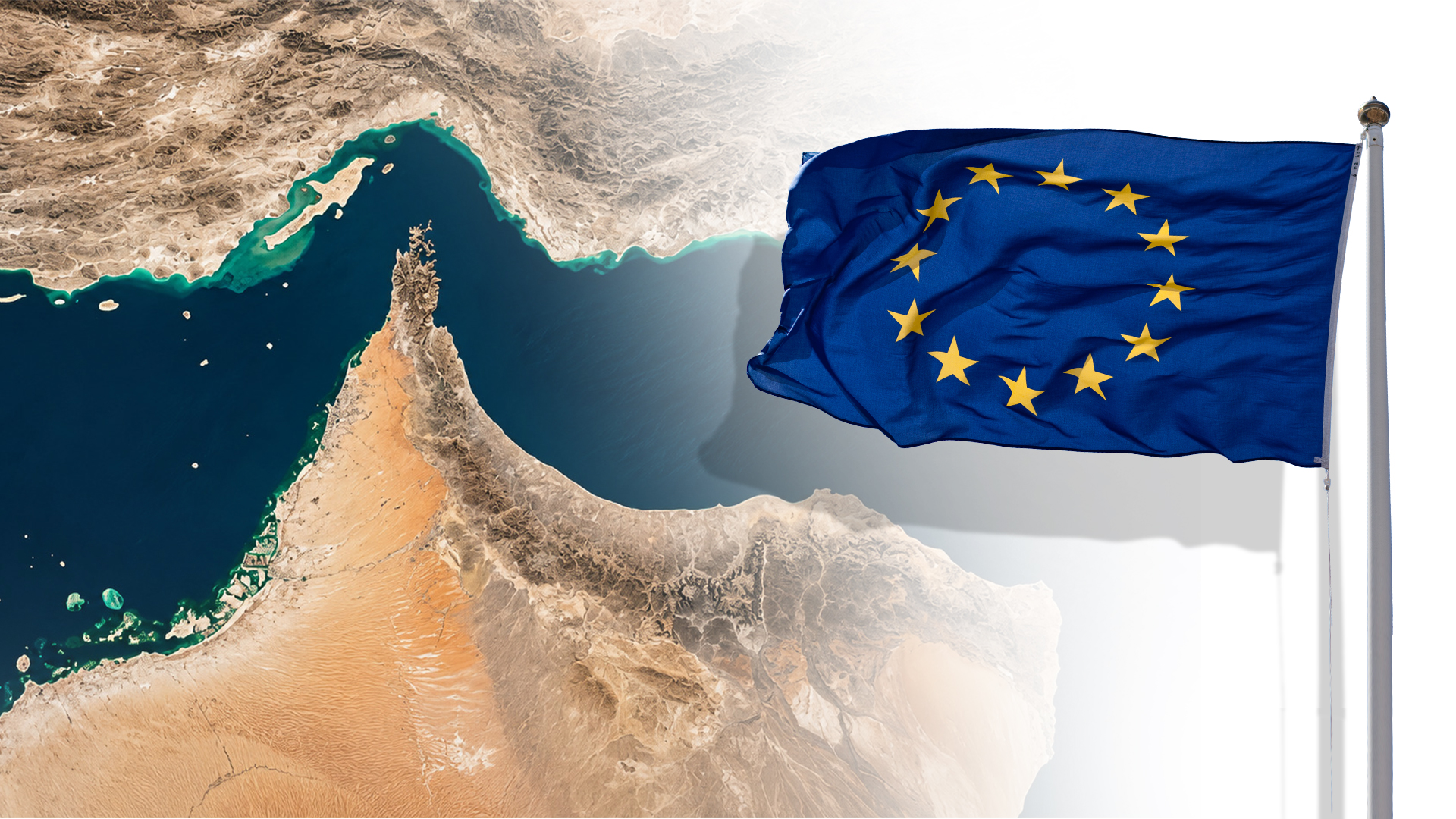
ERBIL (Kurdistan24) — The European Union warned on Saturday that any new military escalation between the United States and Iran could have severe consequences for the region, urging all sides to exercise restraint and give diplomatic efforts another chance amid continuing tensions over regional security and the Strait of Hormuz.
In a response to questions from Kurdistan24 English, an EU Spokesperson said the bloc and its member states remained convinced that diplomacy was the only way to achieve a sustainable solution to outstanding issues between the parties.
"We continue to call for restraint by all sides and to give a new chance to the ongoing diplomatic efforts," the spokesperson said, stressing that all actors must avoid actions that could undermine the prospects of a negotiated settlement.
The EU also reaffirmed its commitment to supporting diplomatic efforts in coordination with regional partners, emphasizing the importance of respecting international law and commending Qatar and other regional countries for their mediation initiatives.
The spokesperson said the bloc was prepared to support negotiations through its economic leverage, technical expertise on nuclear issues, maritime security engagement, and direct communication channels with all stakeholders, including Iran.
EU rejects restrictions on Strait of Hormuz navigation
Addressing concerns over maritime security and the future of the Strait of Hormuz, the EU strongly condemned any actions that threaten freedom of navigation or prevent commercial vessels from entering or leaving the strategic waterway.
"Freedom of navigation, including the right of free and safe passage through the Strait of Hormuz are guaranteed under international law, as reflected in the United Nations Convention on the Law of the Sea," the spokesperson said.
The EU stressed that any future arrangement concerning the strait must comply with international law and the United Nations Convention on the Law of the Sea (UNCLOS), rejecting illegal tolls, fees, discrimination, or restrictions on freedom of navigation.
The spokesperson said any measures that alter the governance of the waterway in a manner inconsistent with international law would also be unacceptable.
The EU's position comes amid heightened international attention to the Strait of Hormuz, one of the world's most strategically important maritime passages. Connecting the Gulf to the Gulf of Oman and the Arabian Sea, the waterway serves as a critical route for global oil and gas shipments, making its security central to international energy markets and economic stability.
Under UNCLOS, the legal framework governing maritime activities, ships enjoy the right of transit passage through international straits used for international navigation.
The convention establishes obligations for coastal states and maritime powers concerning the uninterrupted passage of vessels.
EU highlights naval operation and international pledge
The EU Spokesperson also highlighted the bloc's maritime security engagement in the region, particularly through the European Union Naval Force's Operation ASPIDES (EUNAVFOR ASPIDES), launched in February 2024.
The defensive naval mission was established in response to attacks on international commercial shipping in the Red Sea and surrounding waters, with the objective of protecting vessels, safeguarding seafarers and helping maintain the security of vital maritime routes.
The operation reflects the EU's broader efforts to protect freedom of navigation and maritime security amid regional instability and threats to international shipping.
The spokesperson further pointed to the EU's "No fees, no tolls" pledge, launched in October 2026, saying that 67 countries had joined the initiative so far.
The pledge reflects growing international opposition to imposing unlawful charges or restrictions on commercial shipping through strategic maritime passages.
Strait of Hormuz Crisis: Global Energy Shock and Threats to Maritime Security
The Strait of Hormuz has become the epicentre of a prolonged energy and maritime security crisis since the war between Iran and the United States erupted in February 2026. Tehran's restrictions on shipping through the strategic waterway, which normally carries a substantial share of the world's oil and liquefied natural gas, have disrupted energy flows, pushed up global crude prices and contributed to higher fuel costs for consumers and businesses across Europe, the United States and other regions.
The impact remains visible in fuel markets. According to the European Commission's latest weekly figures, the EU average price of petrol stood at €1.877 per litre and diesel at €2.097 on November 9 — respectively 15.5 percent and 33.5 percent higher than a year earlier.
In the United States, the average price of regular gasoline was around $3.84 per gallon on November 14, compared with approximately $3.08 a year earlier. Although prices have recently declined from their peaks, the energy shock continues to weigh on households and economies.
The security situation in the strait remains volatile, with repeated attacks and explosions involving commercial vessels. Reuters reported that at least 37 ships were attacked in October, the highest monthly total since the conflict began, while at least 10 more were hit during the first 10 days of November.
On Saturday, Iran's navy and the Islamic Revolutionary Guard Corps said three tankers had caught fire after striking naval mines in the strait. Reuters said it could not immediately verify the Iranian account, while maritime authorities have separately reported attacks involving unidentified projectiles.
The crisis has also intensified the confrontation over control of the waterway. Iran has insisted that vessels obtain its authorisation to transit, while the United States has imposed a naval blockade on Iranian ports and provided military support to commercial shipping.
These developments have raised serious questions about freedom of navigation, coastal-state sovereignty and the application of international maritime law.
For the European Union, restoring and maintaining freedom of navigation through the Strait of Hormuz is both an economic necessity and a matter of international law and regional stability, particularly as Iran's restrictions on shipping and repeated attacks on commercial vessels continue to disrupt a vital energy route and fuel uncertainty in global markets.
The resulting energy crisis, reflected in higher oil and fuel prices across Europe and other parts of the world, has underscored the wider consequences of the confrontation.
The EU's latest remarks reaffirm its preference for diplomatic engagement over further military escalation, while making clear its opposition to any restrictions, discriminatory measures or unlawful charges imposed on vessels seeking to transit the strategic waterway.