Houthis Advance to Within 60 Kilometers of Aden as Yemen Government Reinforces Defences
Houthi forces seize strategic districts in Lahj and expand control along the Red Sea coast, prompting government troops to redeploy to defend the country's interim capital
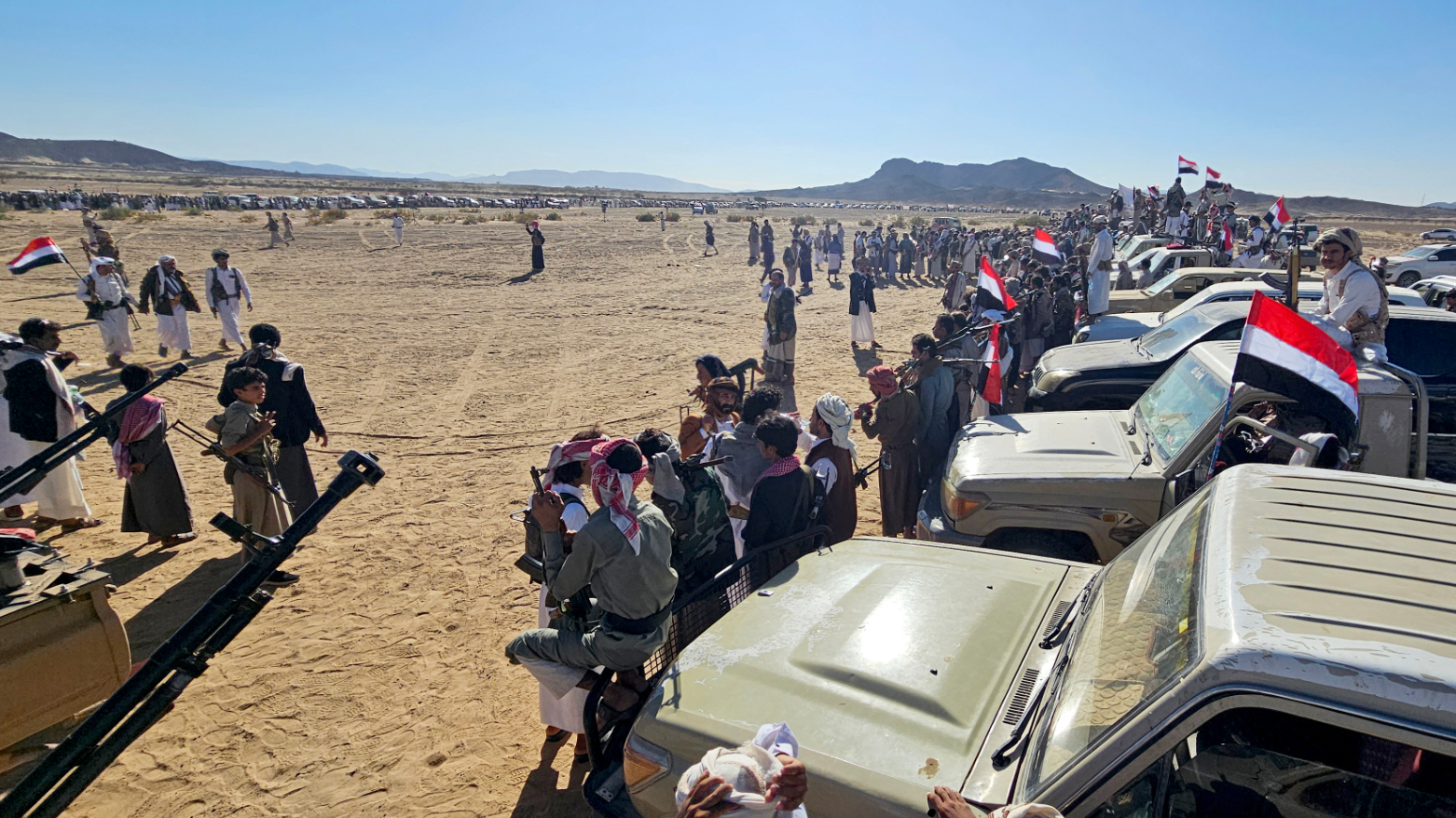
ERBIL (Kurdistan24) — Yemen's Iran-backed Houthis advanced to within 60 kilometers of Aden on Sunday after seizing several strategic positions in the southwestern province of Lahj, prompting the internationally recognized government to redeploy forces to defend the city, according to military and government sources cited by AFP.
AFP sources said Houthi fighters had reached Al-Kharaz camp in the Al-Madariba area, approximately 60 kilometers from Aden, the interim seat of Yemen's internationally recognized government.
The government announced on Sunday that it was redeploying troops from areas along the Red Sea coast to reinforce military positions "where current circumstances require," prioritizing the security of Aden and neighboring provinces.
The withdrawal has enabled the Houthis to expand their presence along more than 150 kilometers of coastline, from Dhubab to positions near Khor Amira, according to two military sources within the group cited by AFP.
The latest advances follow a Houthi offensive along the coast of Lahj, a strategically important province situated between the Bab al-Mandab Strait and Aden.
The group has also seized the mountainous Al-Maqatirah district, through which runs the main road linking Aden to Taiz, a city that has remained under Houthi siege for weeks.
Government forces said on Sunday they would continue military operations aimed at breaking the siege of Taiz.
Military officials told AFP on Friday that government forces had begun constructing sandbag defences and digging tunnels around Aden as the Houthis intensified their southward advance.
The Iran-backed group has also repeatedly targeted Aden in recent weeks. A military assault on October 15 targeted the presidential palace and killed four people, according to government military sources.
In a separate attack on Sunday, a Houthi missile strike killed eight people and wounded 12 others at a checkpoint in Lahj province, according to military and government sources who spoke to AFP on condition of anonymity.
The Houthis previously attempted to capture Aden early in the conflict in 2015 but failed.
Prisoner release amid escalating fighting
Despite the intensifying military confrontation, the Houthis on Sunday released 600 members of Yemen's government forces who had been detained since hostilities resumed in July, according to the International Committee of the Red Cross (ICRC).
The group described the release as a humanitarian initiative, accusing the opposing side of failing to take reciprocal measures. It called the operation "the largest unilateral prisoner release and pardon operation in the history of the conflict."
Yemen's internationally recognized government has been based in Aden since the Houthis seized the capital, Sanaa, in 2014, forcing the government from power.
A truce brokered in 2022, which had largely halted fighting, collapsed in July, triggering renewed hostilities and a significant escalation in military operations.
Since then, the Houthis have expanded their control along Yemen's western coastline, strengthening their position around the strategic Bab al-Mandab Strait, a critical maritime corridor connecting the Red Sea with the Gulf of Aden and serving global trade routes between Asia and Europe.
Government forces struggle to regain initiative
The latest Houthi advances have exposed the growing vulnerability of government-controlled territories in southern Yemen, following repeated unsuccessful attempts by government forces to retake the country's western coastline.
Dozens of people were killed in fighting last week, according to sources on both sides.
Mohammed al-Basha of the US-based risk advisory Basha Report told AFP that government forces had remained largely on the defensive, unable to open new fronts, stretch Houthi resources or regain the military initiative.
He attributed the government's difficulties to a lack of political will, fragmented command structures, factional rivalries and the persistent problem of so-called "ghost soldiers" — personnel officially registered in military records but absent from the battlefield.
The Houthis, he said, were "dictating the pace and direction of the war."
The renewed fighting has also intensified humanitarian concerns. The United Nations estimates that more than 1,600 people have been killed and over 300,000 displaced since hostilities resumed in July.
On Sunday, the UN refugee agency expressed grave concern over reports of clashes near the Kharaz refugee camp in Lahj province, warning that approximately 9,600 refugees were at risk.
The agency said the fighting was restricting its ability to provide protection and humanitarian assistance to displaced people and refugees in the affected areas.