Iraqi Forces Uncover Illegal Oil Pipeline in Jurf al-Sakhar
Iraqi security forces uncovered an illegal oil pipeline in Jurf al-Sakhar, Babil province, as state forces redeploy and the Iraqi prime minister is expected to visit the area.
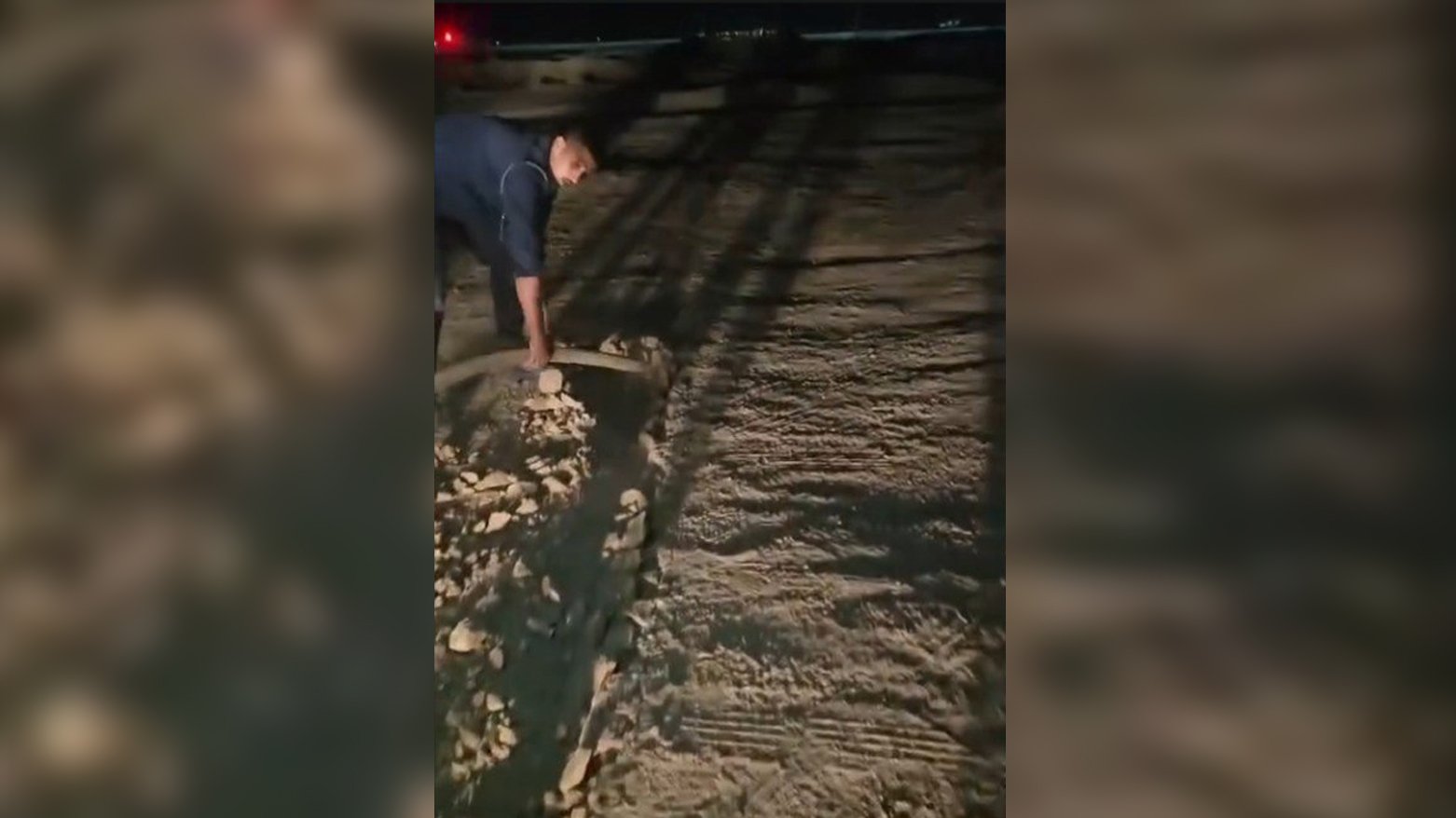
ERBIL (Kurdistan24) - Iraqi security forces announced on Saturday that they had uncovered an illegal oil pipeline in the town of Jurf al-Sakhar in Babil province, which, according to the forces, was used by Hezbollah to smuggle oil.
Footage released by the forces overnight, during their deployment in the area, showed the pipeline running underground. According to the information made public, the pipe is six inches in diameter and has carried oil continuously since 2021. Through it, Iraq's Hezbollah is said to have earned tens of millions of dollars over five years.
The discovery comes as the district's status is changing. A source told Sky News Arabia that the Iraqi Prime Minister Ali al-Zaidi would visit Jurf al-Sakhar on Saturday.
The source said the visit follows the resumed redeployment of security forces and the withdrawal of Hezbollah brigades from their positions in the area.
According to the source, the visit falls within security measures the Iraqi government has taken to reimpose state control over Jurf al-Sakhar after the area remained for several years under the authority of those brigades.
The source added that the measures coincide with investigations into oil smuggling and the squandering of public wealth.
Details of the redeployment came from Sabah Numan, spokesperson for the Office of the Commander-in-Chief of the Iraqi Armed Forces, who told Kurdistan24 on Friday that the next phase would involve preparing a joint plan with the relevant authorities and the local administration.
The plan aims to restore services and rehabilitate infrastructure in the district, paving the way for residents to return.
Numan said the redeployment was proceeding according to the established plan, with a high level of coordination and in line with approved procedures.
He added that all parties were committed to implementing the orders of the Commander-in-Chief swiftly and fully, with continuous follow-up by his office.
The district's former control headquarters reopened on Friday morning, he said, with its commander and two deputies beginning their duties under a comprehensive, multi-stage plan.
Among its main provisions are direct supervision of the deployment and the rapid replacement of the forces currently holding the area with new units.
Numan also announced that the road leading to Karbala through Faziliya Bridge would officially reopen on Saturday morning.
Roads linking Jurf al-Sakhar to other provinces, including routes to Amiriya al-Sumud and Anbar province, will reopen once the deployment stages are complete and security is established, he said.
Security units will then begin securing the entire district after taking control of the territory and establishing their positions, Numan said, under a deployment plan designed to leave no security gaps or vacant areas.
He added that continuous coordination was being maintained with the four surrounding operations commands and the control headquarters command and its affiliated formations, and that the replacement of units was following established security, logistical and military procedures.
The Energy Police Regiment has also begun its duties under the direct field supervision of the Energy Police commander, taking control of and protecting the oil pipelines in the area, Numan said.
The transfer of responsibility from the existing 45th Brigade to a new Popular Mobilization Forces (PMF) brigade has begun in practice and is progressing according to plan, he added.
These steps followed the entry of Federal Police units, Energy Police personnel and two PMF brigades into Jurf al-Sakhar on Friday morning, which brought the district back under state control after 12 years, according to Kurdistan24's earlier reporting.
Iraq's Interior Ministry announced the establishment of 12 security points to protect pipelines and oil facilities in Jurf al-Sakhar, as army forces, Federal Police and PMF formations deployed.
The ministry said the plan includes opening a road alongside the oil pipeline routes to ease the movement of mobile patrols and field monitoring, as well as setting up a headquarters for a security regiment. The aim, it said, is to strengthen the protection of oil facilities and tighten control over the area.
Western media outlets have reported that Hezbollah smuggled about 200,000 barrels of oil a day through Jurf al-Sakhar and prepared it for sale at its own private refineries.
Following the takeover, al-Zaidi said in a message that no weapons would remain outside state authority, adding that the process of extending state authority across all Iraqi territory would begin in Jurf al-Sakhar.