What Makes Kurdish Horses So Special to a Lifelong Horseman?
For Kurdish horse owner Ali Hassan, horses offer comfort and joy. He describes his family's passion, the endurance of Kurdish horses and the demands of daily care.
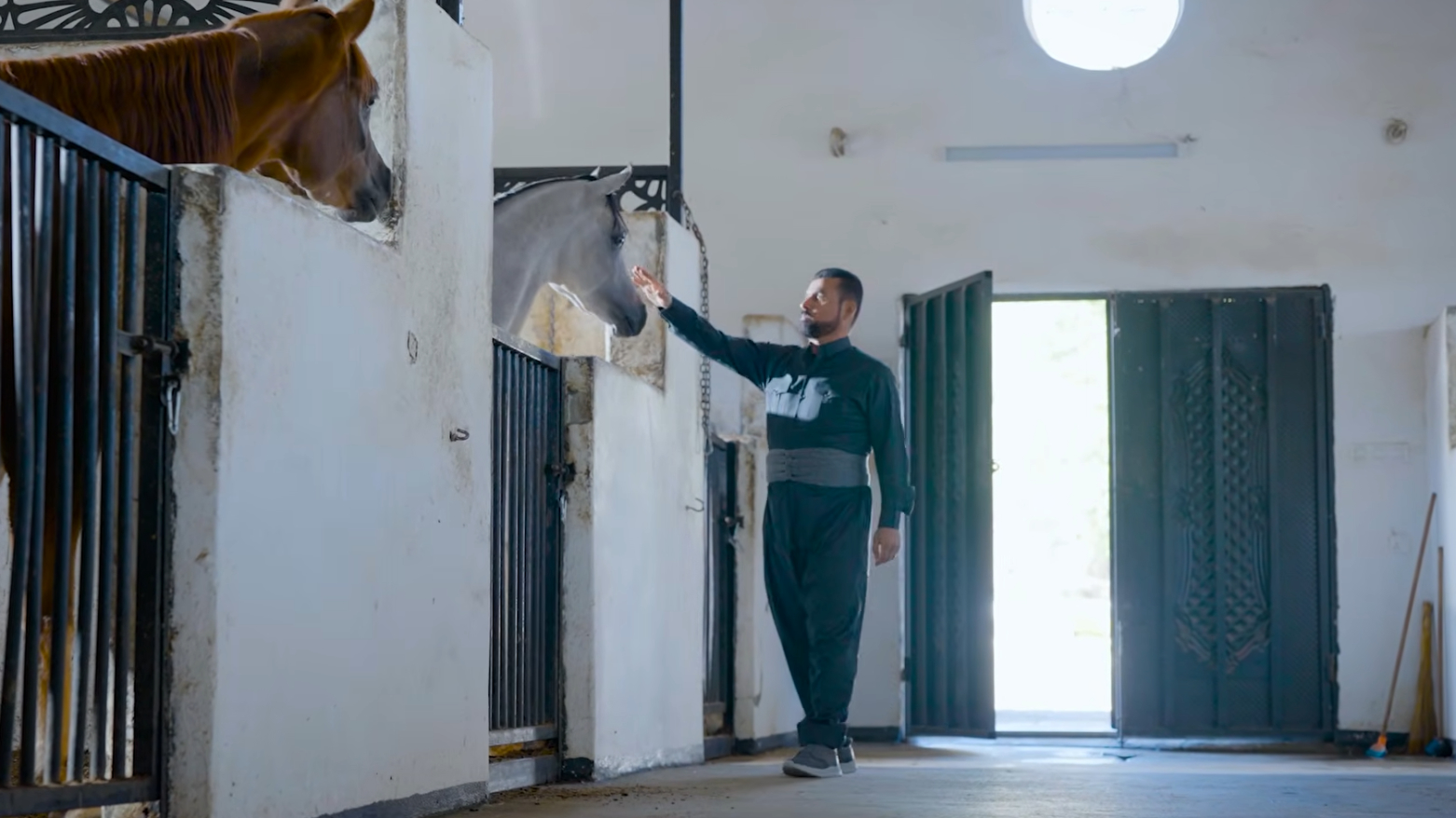
ERBIL (Kurdistan24) - For Ali Hassan, a Kurdish horse breeder and stud owner, the rewards of keeping horses cannot be measured simply by the number he owns or the animals he trades. Even a few minutes beside a horse, he says, can lift a burden that seemed impossible to shake off.
"When you have pain and troubles, feeling down, you see your horse, as if you never had a problem," Hassan said. "Horses really calm you. They truly bring joy."
It is a bond he traces to his parents and a family tradition that has shaped much of his life. Hassan has kept stallions and mares continuously since 1997, carrying forward an affection for horses that began long before he became a breeder himself.
"Our whole family has always loved horses," he said. "And to this day, I have kept alive the passion inherited from my parents."
He intends to continue for as long as he can.
For Hassan, the pleasure of being around horses is not limited to riding. He describes a sense of calm and relief that comes from standing near them or spending a short time in their company.
"I mean, for just two minutes, even without riding, just standing by them makes you forget everything," he said.
A short ride, he believes, can have an even stronger effect. Ten minutes on horseback is enough, in his experience, to push aside the worries of the day.
That emotional attachment also helps explain why he has stayed with an occupation that is demanding in both time and money. Loving horses, he said, is essential for anyone who wants to care for them properly.
"Not everyone can do it. Without passion, without love for horses, it's very hard."
Hassan has experience with several types of horses, including Arabian, Kurdish, English and French breeds. But among them, he has a particular preference for Kurdish horses, a choice he connects to Kurdish tradition and their suitability for riding.
"A Kurdish horse has great endurance," he said, describing its thick legs, strong neck and toughness.
He draws a distinction between Kurdish horses and Arabian horses. Although Arabians can also be ridden, Hassan values them chiefly for their appearance, while emphasizing the Kurdish horse's strength and endurance.
His own stable reflects that distinction. He has kept a Kurdish mare for years and reserves her for his personal rides. The other horses he currently keeps, he said, are purebred Egyptian WAHO Arabians, which he buys and sells.
For Hassan, the enjoyment of riding and the business of trading horses are different aspects of the same enduring interest. Both, however, come with responsibilities that extend far beyond the pleasure of owning the animals.
Those responsibilities begin with feeding. Hassan says his horses receive four meals every day, with food chosen specifically for their needs. Ordinary feed will not do, he said, and cleanliness matters as much as the food itself.
He describes horses as particular eaters: they may refuse food that is not clean and sometimes reject leftovers from an earlier meal after sniffing them.
Maintaining a large number of horses also requires considerable effort and financial resources. Caring for one or two is manageable, he explains, but the workload increases considerably when more animals are involved.
"To tell you the truth, 1 or 2 are no trouble. But if there are more, it's hard work. It costs a lot. You must hire someone to take care of your horses."
Yet the expenses, demanding feeding schedules and daily responsibilities have done little to diminish Hassan's enthusiasm.
After nearly three decades of keeping horses himself, he continues to describe them primarily as a source of happiness and emotional comfort, rather than merely animals to be raised and traded.
His attachment remains rooted in the family tradition he inherited from his parents, and he has no intention of abandoning it.
As Hassan puts it, "until I die, God willing, I will go on."