KDP Spokesperson Rejects Baghdad Oil, Border Crossing Decisions
KDP spokesperson Daner Abdulghafar says Baghdad's decisions on oil fields and border crossings are unconstitutional and urges dialogue to resolve disputes.
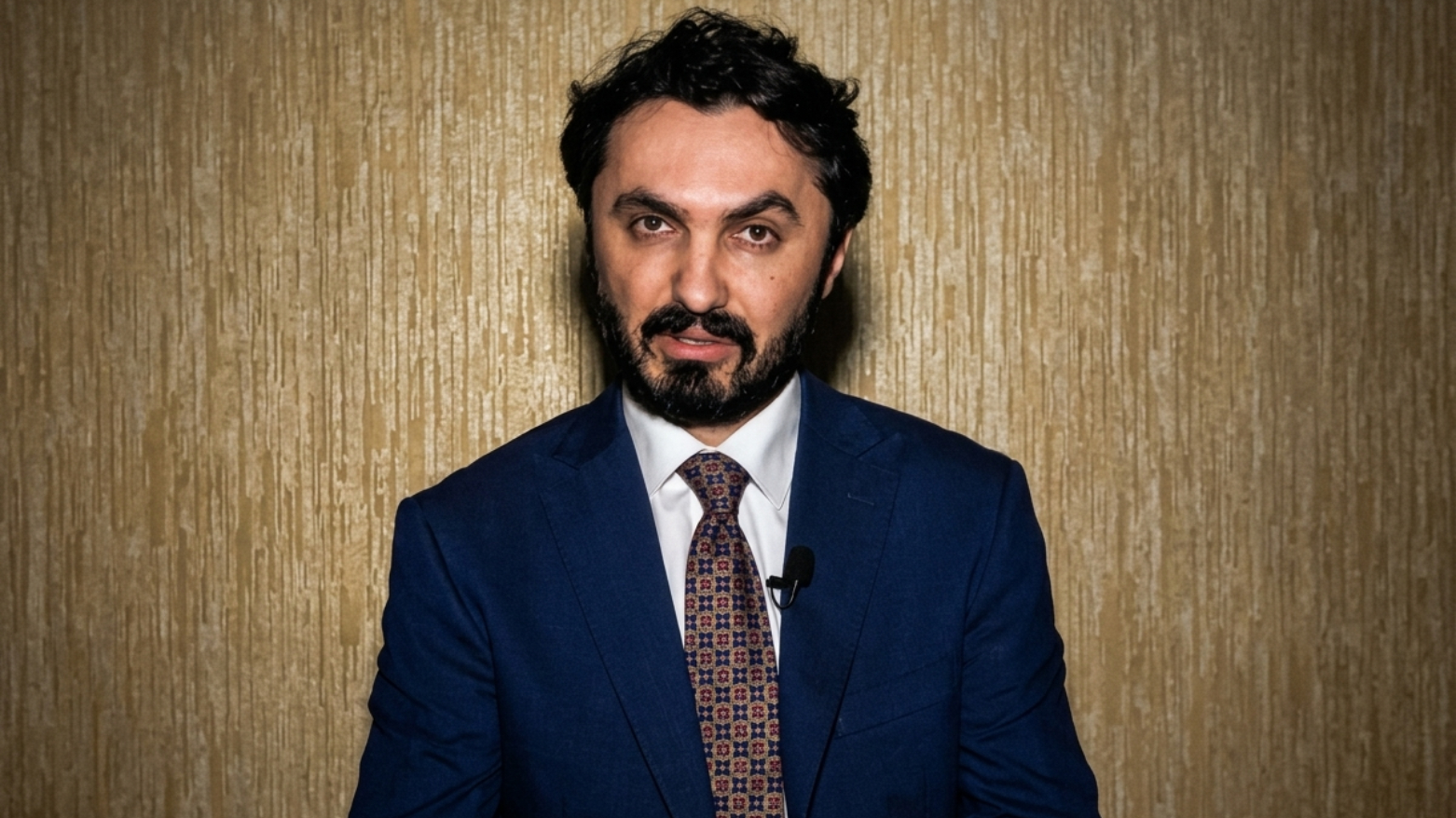
ERBIL (Kurdistan24) - Daner Abdulghaffar, spokesperson for the Kurdistan Democratic Party (KDP) faction in the Iraqi Council of Representatives, said on Tuesday that the Federal Government of Iraq's latest decisions on oil fields and border crossings run counter to the constitution, and that no dispute should prompt the movement of forces or the army outside the constitutional framework.
"The decisions made in Baghdad today are entirely contrary to the constitution, even if they come with the pretext of oil smuggling," Abdulghaffar told Kurdistan24. He stressed that a centralist mindset and the notion of "I am the state" still prevail in Baghdad.
He said the Kurdistan Region deals with Baghdad on the basis of institutions, the state, the constitution, and the law.
"We, as the Kurdistan Region, deal with a state mentality, and we have always wanted to deal with Baghdad and the federal government with a mentality of institution, state, constitution, and law," Abdulghaffar said. "Therefore, it is not acceptable that for every problem that mentality returns and thinks about force and mobilizing the army outside the constitutional framework."
Turning to the content of the decisions, Abdulghaffar stressed that the Kurdistan Region is a constitutional entity and that the Iraqi Constitution defines relations between Erbil and Baghdad.
On oil, he argued that the decision conflicts with the constitution's provisions on the management of the sector. "In the oil issue, today's decision reportedly says the federal government must take control of the oil wells and administer them itself. That is contrary to Article 112 of the constitution, and it goes beyond the exclusive powers listed in Article 110," he said.
"The administration of oil is not an exclusive power of the federal government. Under Article 112 (A and B), it is a shared power among the KRG, the provinces, and the federal government."
He added that any difficulty over that constitutional article must be resolved through dialogue, and that the Kurdish side has always called for the passage of the oil and gas law to settle the file.
On Baghdad's demand to take control of all border crossings in the Kurdistan Region, Abdulghaffar said the step is also unconstitutional. "Undoubtedly, this step is also contrary to the constitution, because the administration of customs likewise falls within the shared powers between the KRG and the federal government," he said. "The federal government has the right to draw up the general policy map, but it does not have the right to administer customs alone."
Abdulghaffar also addressed the Kurdistan Region's stance toward the current Iraqi cabinet. At the start of Ali al-Zaidi's government, he said, the President, the KRG, and all other Kurdistani parties gave it great support and encouragement, given Iraq's difficult political, economic, and security situation.
In recent months, he added, the KRG showed flexibility on border issues, the ASYCUDA customs system, and other problems, and acted with sincere good faith in seeking solutions.
He then pointed to the Kurds' historic role in Iraq. "It is no secret that since the beginning of the rebuilding of Iraq, we as Kurds have played a foundational role, and had the Kurds not participated, the Iraq that exists today would not have been formed," Abdulghaffar said.
"At a time when we de facto had our own government and state, we returned in good faith, and the people of Kurdistan decided to live within a federal state with the partners and the other nations of Iraq."
Federalism, he noted, is at its core the division of wealth and power. He cited the United States as a country that became strong because federal principles and constitutional safeguards were firmly established. "But unfortunately, to this day, the mentality of 'I am the state,' and of 'whatever I say is what the state says,' continues and prevails," he said.
Abdulghaffar said such conduct by Baghdad, as reflected in the President's message and other messages, revives painful memories. "Whenever the authority in Iraq feels an opportunity is arising, it seizes it to again entrench the mentality of centralism," he said.