Araghchi: Hormuz Opens After Iran's Demands Met
Iran's foreign minister says Qatar and Pakistan are still passing proposals, while Kuwait says drones targeting a vital site killed two Italian workers, which Tehran rejects
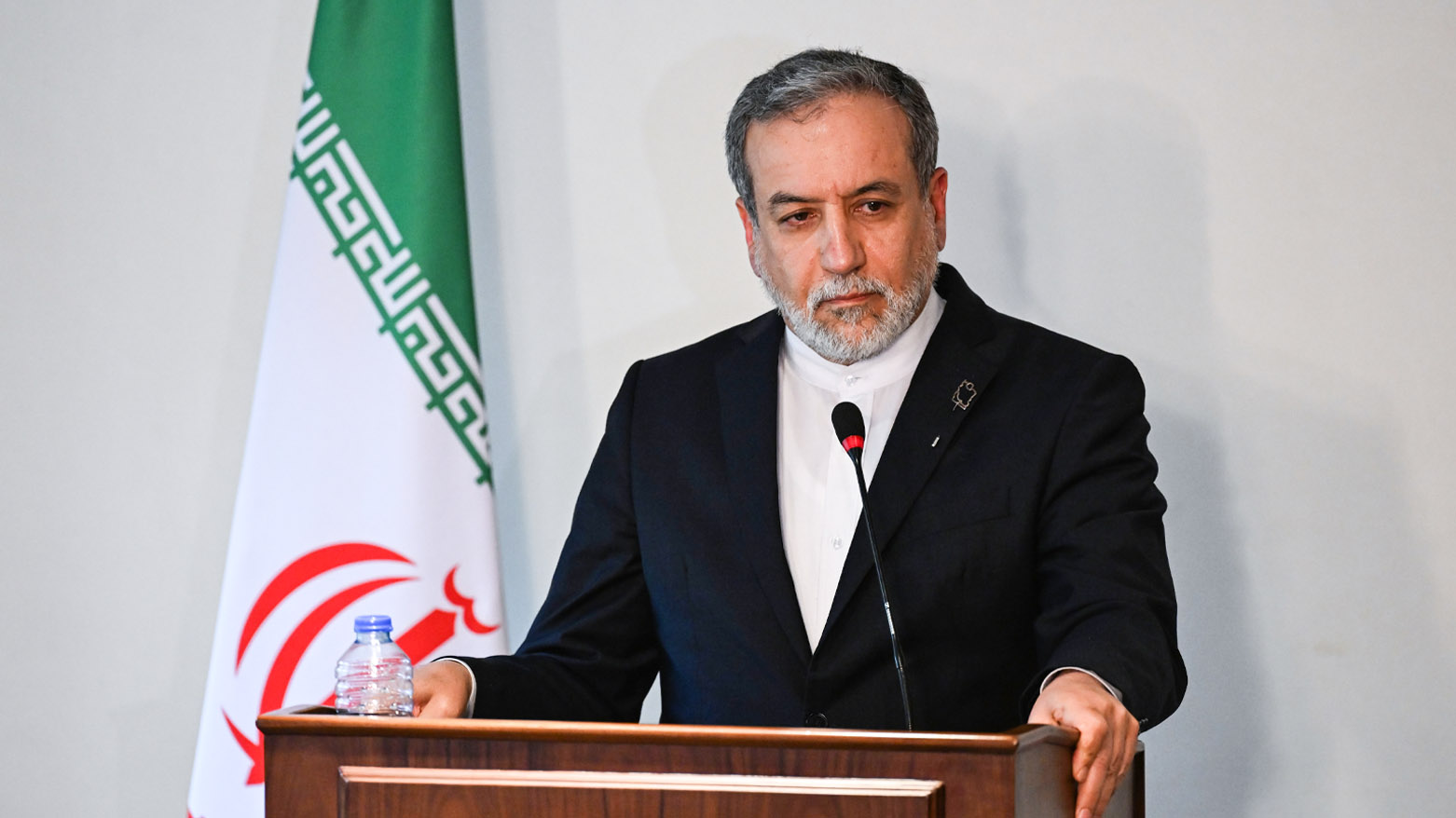
ERBIL (Kurdistan 24) - Iranian Foreign Minister Abbas Araghchi said on Thursday that Qatar and Pakistan are continuing their mediation efforts, particularly in conveying and exchanging messages and proposals, and that the Strait of Hormuz will be reopened and a final agreement reached only after Iran's demands are carried out. In remarks to Iranian official media, Araghchi said that several ideas have been put forward and are under review, and that "I think paths can be opened, but our fundamental position has not changed."
He said Iran has a set of demands that must be implemented in practice so that the strait can be reopened, and that a final agreement can then be reached through negotiations, and he tied the reopening and the final deal to the terms of implementing the points of the Islamabad understanding.
Citing a remark by the country's former supreme leader that what the foreign ministry does on negotiations may not be even 1 percent of its duties, Araghchi said the Islamic Republic has not thought only of negotiating, that negotiation is part of its work under the supervision of the Supreme National Security Council and has not been forgotten, but that in the current situation the important task is to break sanctions and the blockade and to make its adversaries lose hope in their pressure.
He said Iran continues to work with neighboring countries to secure its domestic needs and keep trade routes and the supply of necessary goods open, a step he described as showing that sanctions will not bring the Islamic Republic to its knees.
Iran has said in earlier remarks that its conditions include lifting US sanctions imposed after the Islamabad memorandum collapsed in July, reducing the US military presence in the region, restoring oil waivers and releasing frozen funds, and that Hormuz could reopen within two days of Washington accepting them.
Separately, Iran's armed forces spokesman, Abolfazl Shekarchi, categorically rejected the Kuwaiti military's allegations that Iran attacked a vital facility in Kuwait, saying Iranian forces have not carried out any military or offensive operation in the region, and that accusing Iran of attacking a vital facility in Kuwait is an attempt to increase insecurity in the region.
Kuwait's Defense Ministry said earlier on Thursday that its forces detected and engaged hostile Iranian drones in its airspace and that an attack targeting a vital facility caused shrapnel to fall, injuring a Kuwaiti, two Italian residents and a Pakistani resident, and the ministry later said the two Italians had died.
It did not name the facility or describe the damage. Saudi Arabia and the Gulf Cooperation Council condemned the attack, and Italy said two of its citizens were killed. Iran's military had claimed attacks on US facilities in Bahrain and Kuwait earlier this month.