Iraqi Army Blocks Kurdish Farmers' Access to Land in Kirkuk
Iraqi Army trenches near Kirkuk's North Oil Company have blocked Kurdish farmers' access to fields, raising questions over anti-smuggling measures.
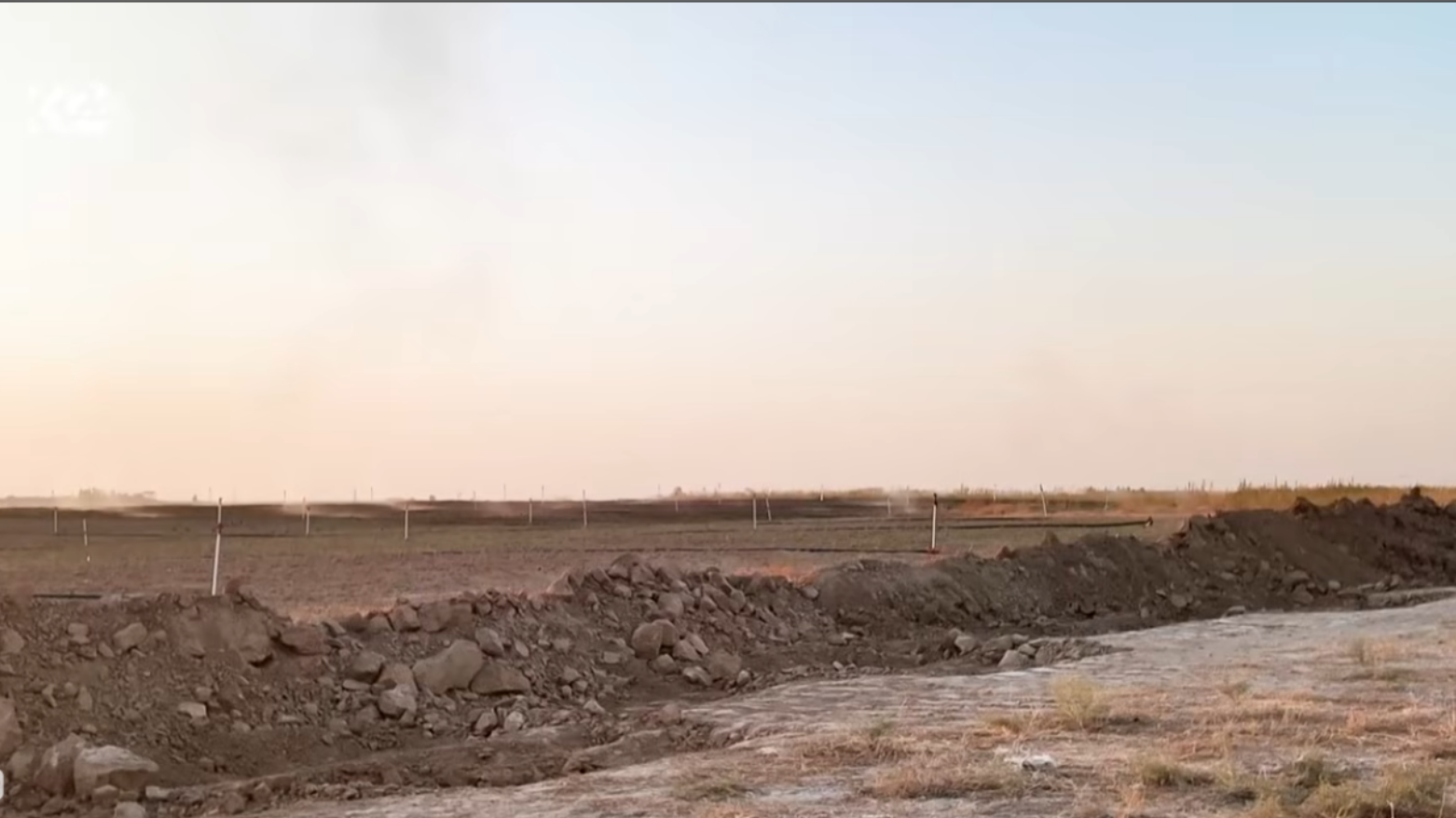
ERBIL (Kurdistan24) - Iraqi Army units have dug trenches and blocked roads leading to Kurdish farmers' land in Kirkuk, forcing lengthy detours and damaging agricultural fields in an operation security forces say is aimed at preventing oil smuggling.
The measures, carried out on Saturday, Nov. 28, 2026, involved bulldozers closing most of the roads and dirt tracks surrounding the North Oil Company.
According to the account provided to Kurdistan24's Hemn Delo, the army acted on orders from senior officials, prompting objections from farmers and calls for an immediate solution from the Kirkuk Provincial Council.
For people who depend on access to their fields, the impact has been immediate.
Farmers say the trenches have disrupted familiar routes to their properties, while excavated soil has covered portions of cultivated land. Some now have to travel considerably farther simply to reach their farms.
A farmer from the Topzawa area described the latest operation as part of a recurring problem.
"This is neither the first nor the second time the army has descended upon farmers and harassed them," he said. "The relevant authorities must come to the people's aid and put an end to this oppression."
Another farmer said the digging of a trench three meters deep, together with the dumping of soil removed during excavation, had damaged approximately 10 dunams of his land.
"For 100 years, we have been paying the price for being Kurdish in Kirkuk. Now, 23 years after our return, we still have no respite," he said.
The farmers' complaints reflect concerns not only over blocked access but also over the direct loss of usable agricultural land. The extent of damage across the affected area has not been established.
Security forces have explained the road closures as an effort to stop oil smuggling by tanker trucks. However, the justification has come under scrutiny over how such vehicles move through the area.
According to follow-up inquiries and findings attributed to a committee dispatched to Kirkuk by the Iraqi prime minister, tanker trucks did not use the dirt tracks being blocked. Instead, they traveled through official Iraqi government checkpoints with special written authorization.
The findings, as reported, raise questions about whether restricting farmers' access to agricultural roads would address the routes taken by tanker vehicles.
The Kirkuk Provincial Council has urged authorities to strengthen inspections at checkpoints rather than shut down routes used by farmers.
"Tanker trucks cannot travel along dirt tracks. Therefore, if the objective is to prevent oil smuggling, efforts must begin with strengthening the checkpoints," a provincial council official said.
The council has also called for a swift resolution to the farmers' difficulties. The identities of the senior officials who ordered the operation, the timetable for reopening the roads and any plans to repair damaged fields have not been detailed.
For the affected farmers, the immediate issue remains access to land they cultivate, while questions persist over the effectiveness of the army's anti-smuggling measures.
Hemn Delo, Kurdistan24 correspondent in Kirkuk contributed to this report.